Colorado voters will decide on harsher penalties for fentanyl on the 2026 ballot
Published in News & Features
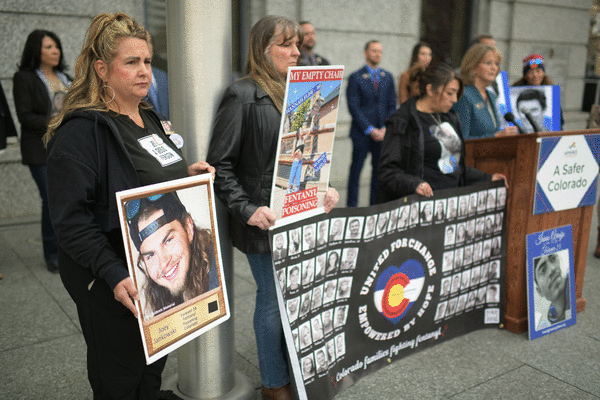
DENVER — A proposal that would make possession of any amount of fentanyl a felony and stiffen penalties for distribution will go before the state’s voters next November, the Colorado Secretary of State’s office said Monday.
Initiative 85, which is backed by the conservative advocacy group Advance Colorado, is the first statewide initiative to qualify for the ballot. The measure, which will be assigned a final ballot proposition number later, will need support from a simple majority of voters to become law.
If passed, the initiative would make possession of any amount of fentanyl a level-four drug felony, though the conviction could be vacated following successful completion of court-ordered drug rehabilitation treatment. Possession with intent to distribute could result in a prison sentence of eight to 32 years.
“We’re happy to see that Coloradans will get to vote on this measure next year,” Advance Colorado President Michael Fields said. “Colorado’s current laws are far too lenient on fentanyl dealers. We need to hold dealers accountable with tougher penalties, while ensuring people struggling with addiction receive mandated, compassionate treatment.”
Backers of the measure submitted nearly 188,000 signatures to win a spot on the ballot. It needed about 125,000 to qualify. Fields, who frequently runs ballot initiatives, said this was “one of the easiest measures” to petition for because so many people have personal stories of loved ones hurt by fentanyl.
In 2024, 761 people died in Colorado from a fentanyl overdose. That represents a decrease from other recent years but is still far more fentanyl-related deaths than even five years prior.
To combat the epidemic, lawmakers in 2022 lowered the threshold for felony charges from 4 grams to 1 gram of drugs containing any amount of fentanyl. That change spurred bitter debate in the legislature as advocates argued it would spur more people to seek treatment and would crack down on dealers, while opponents argued the change would further criminalize addiction.
A study published in March on the law’s effects found that it had almost no impact on overdose deaths but may have discouraged people from sticking with treatment.
_____
©2025 MediaNews Group, Inc. Visit at denverpost.com. Distributed by Tribune Content Agency, LLC.





Comments