Holiday heart risk: Overindulgence, stress, cold increase heart attacks
Published in News & Features
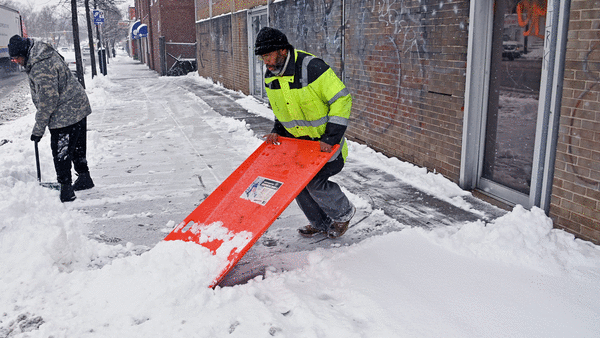
BALTIMORE — Eat, drink and enjoy the outdoors and family gatherings — in moderation, say those who see an increase in heart emergencies during the holiday season.
Cardiac emergencies spike 30% on Christmas Eve, according to American Medical Response, which provides emergency medical services in the Baltimore and Washington, D.C., region.
“Throughout the holidays, we often see people ignore warning signs of heart trouble because they don’t want to disrupt family celebrations,” Dr. Ed Racht said in a press release.
Racht is the Chief Medical Officer of Global Medical Response, the parent company of American Medical Response.
“Whether it’s chest pain, a racing heartbeat, or a sudden collapse, these symptoms could signal a heart attack, dangerous arrhythmia, or even cardiac arrest,” he added in the statement. “Time is critical in these emergencies. If you notice any of these signs in yourself or a loved one, don’t wait—call 911 right away.”
Research shows more people die from heart attacks during the last week of December than at any other time of the year, according to the American Heart Association.
Research published in the journal Circulation found that more cardiac deaths occur on Christmas than on any other day of the year, followed by Dec. 26 and Jan. 1.
Multiple reasons exist for these spikes, including overeating and high-salt meals, indulging in alcohol, emotional stress from family situations, cold temperatures, which make the heart work harder and putting off medical attention due to social settings.
Heart attacks happen when blood flow to the heart muscle is reduced or blocked, the American Heart Association says. Warning signs include chest pressure or discomfort, which can feel like heartburn; discomfort in the arms, back, neck, jaw or stomach or shortness of breath. Other warning signs include a cold sweat, nausea, rapid or irregular heartbeat, lightheadedness and unusual tiredness.
If you feel any combination of those symptoms or suspect someone is having a cardiac emergency, getting medical attention as soon as possible could save a life, the release from American Medical Response states. Paramedics and medical technicians can initiate life-saving care on the road and prepare the emergency room for a heart attack response.
“Rapid treatment significantly improves survival,” Racht said in the release. “Driving yourself or waiting to see if symptoms improve can delay critical care.”
Eating and drinking in moderation are the best precautions, followed by staying hydrated, taking your medications, and warming up before any cold-weather exertion, he added.
Holidays, however, offer a bit of a remedy as well. Laughing and sharing moments of joy can relax and expand blood vessels, increasing blood flow by up to 20% and easing pressure on the heart, Racht wrote.
“Make laughter a priority,” he said, “and if something doesn’t feel right, always listen to your body and get help when needed. Together, let’s make these festivities both joyful and heart-healthy.”
_____
©2025 The Baltimore Sun. Visit at baltimoresun.com. Distributed by Tribune Content Agency, LLC.


Comments