City animals act in the same brazen ways around the world
Published in News & Features
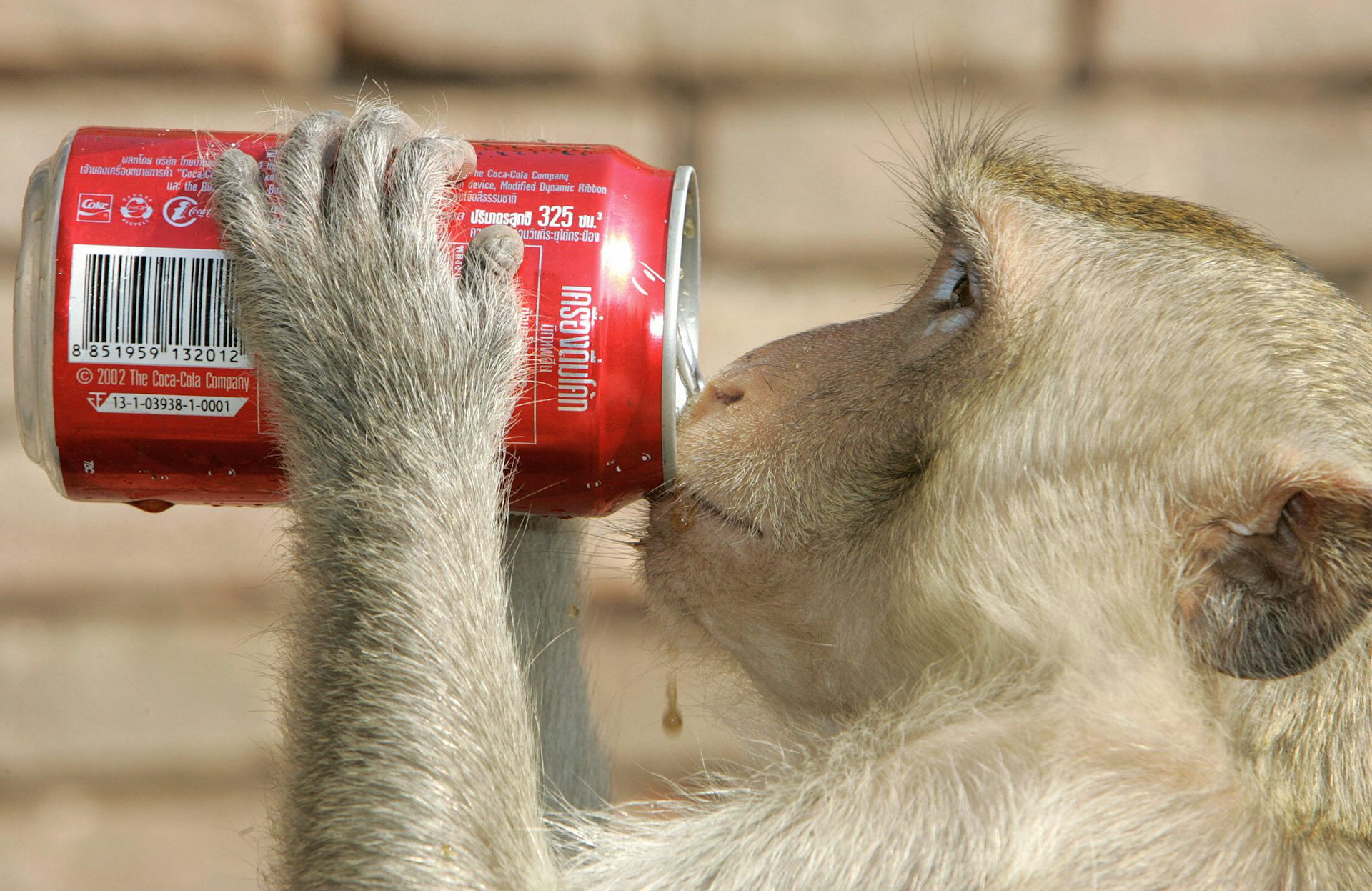
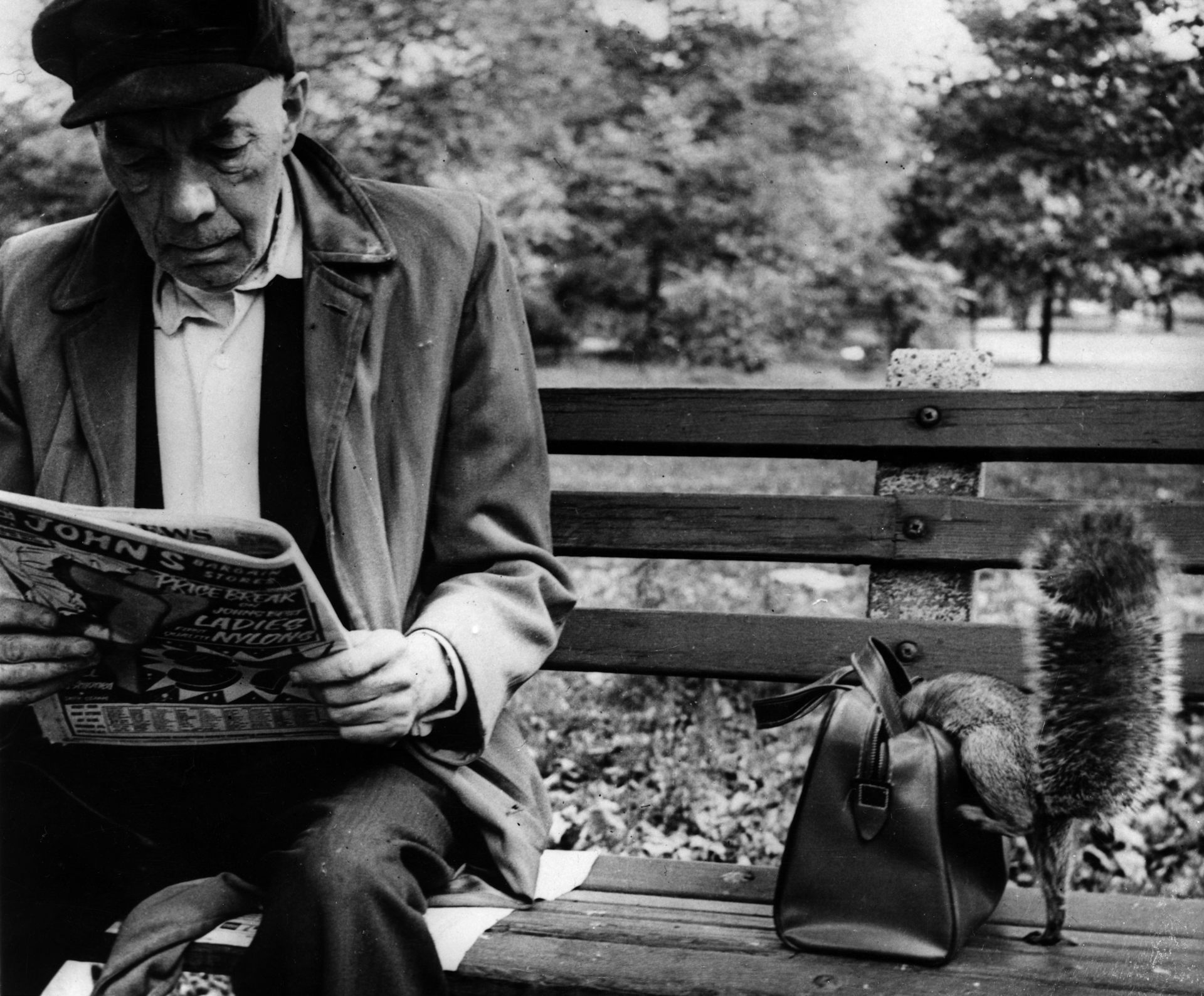
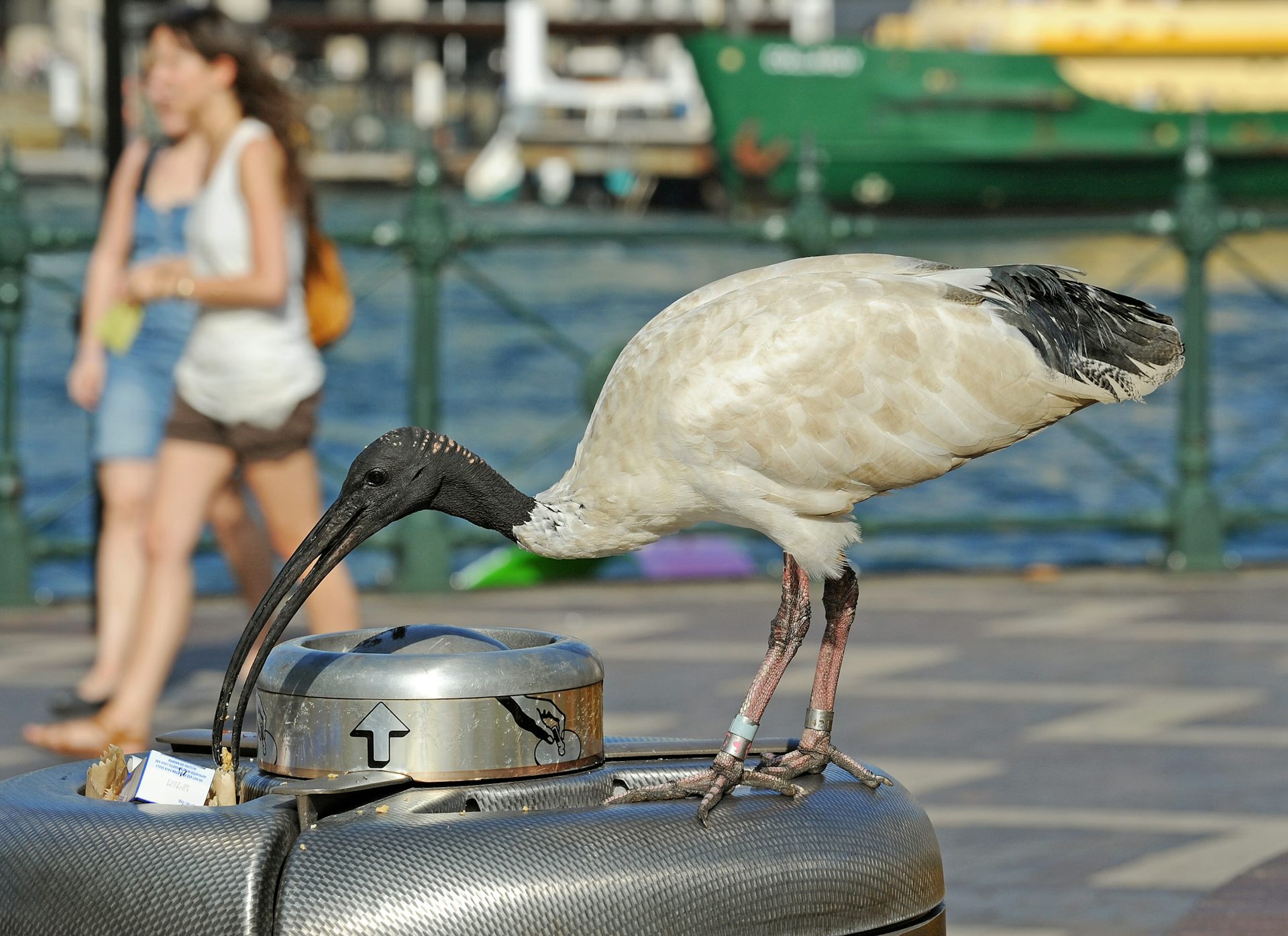


The urban monkeys in New Delhi are so bold they’ll steal the lunch right off your plate. If you’ve spent time in New York, you’ve probably seen squirrels try to do the same. Sydney’s white ibises got the nickname “bin chickens” for stealing trash and sandwiches.
This brazen behavior isn’t normal for most species in the countryside, yet it shows up in urban wildlife, and not just in these cities.
Studies show that animals living in urban environments around the world exhibit common sets of behaviors. At the same time, these urban animals are losing traits they would need in the wild. This process of urban animals’ behavior becoming more similar is known as “behavioral homogenization,” and it accompanies the loss of species diversity with urbanization.
We study animals in urban settings to understand how humans can help wildlife thrive in an urbanizing world. In a new study, we explore the causes and the long-term consequences of these behavior changes for urban wildlife.
Cities, despite their local differences, share many of the same features worldwide: They are warmer than the surrounding countryside, noisy, polluted by light and, most importantly, dominated by people.
New York’s squirrels, New Delhi’s monkeys, gulls in coastal cities of the U.K. and other urban wildlife have learned that people are a source of food. And because people typically don’t harm the animals, city-dwelling animals learn not to fear people.
Cities drive evolution as well. Humans and the changes we’ve brought to cities have led to the survival of bolder animals, and those bolder animals pass on their traits to future generations. In genetics, scientists refer to this as the environment “selecting” for those traits.
It’s not just sandwich-stealing that is more common among city wildlife; urban birds also sound more alike.
Why? Cities are loud and filled with traffic noise, so those who can effectively communicate in that environment are more likely to survive and pass on those traits.
For example, urban birds may sing louder, start singing earlier in the morning or at higher frequencies to avoid getting drowned out by low-frequency traffic noise.
Cities select for smart individuals and species because that’s what it takes to survive.
Animals may behave similarly in cities because they learn from each other how to exploit novel human food sources. For instance, the cockatoos in Sydney have learned to open trash bins. In Toronto, the raccoons are in a race to outwit humans as urban wildlife managers try to design animal-proof trash bins.
The buildings and bridges in cities become home to bats, birds, and other urban dwellers, at the cost of learning to use more natural nesting sites. Roads and culverts modify how and where animals move.
While rural animals may forage at a variety of places and eat a variety of foods, urban animals may concentrate on garbage bins or rubbish dumps where they know they can find food, but they end up eating a potentially unhealthy diet.
The loss of behavioral diversity is happening everywhere that humans increase their footprint on nature. This is worrisome on several levels.
At the population level, behavioral variation may reflect genetic variation. Genetic variation gives species the ability to respond to future environmental change. For example, for animals that have evolved to breed at a specific time of the year, urban heat islands can select for earlier breeding.
Reducing genetic variation leaves populations less able to respond to future changes. In that sense, having genetic variation resembles a diversified investment portfolio: Spreading risk across a variety of stocks and bonds lowers the risk that a single shock will wipe out everything.
Moreover, as animals become tamer, new conflicts between animals and humans may emerge. For instance, there may be more car crashes, animal bites, property damage and zoonotic disease transmission. Such conflicts cost money and may harm both the animals and humans.
Losing behavioral diversity is also troubling for conservation.
When a species loses behavioral diversity, it loses resilience against future environmental change in the wild, making reintroducing urban animals to the wild harder.
Losing behavioral diversity also risks erasing socially learned, population-specific behaviors, such as local migration routes, foraging techniques, tool-use traditions or vocal dialects.
For example, Australia’s regent honeyeater populations have been shrinking and are critically endangered. The isolation of having fewer of their own species around has disrupted normal song-learning behavior, making it harder for male birds to sing attractive songs that help them find mates and breed successfully.
Ultimately, behavioral homogenization is making wildlife in cities such as Los Angeles, Lima, Lagos and Lahore behave in similar ways despite living in different environments and having different evolutionary histories.
Many of these behaviors influence survival and reproduction, so understanding this form of diversity loss is important for successful wildlife conservation, as well as future urban planning.
This article is republished from The Conversation, a nonprofit, independent news organization bringing you facts and trustworthy analysis to help you make sense of our complex world. It was written by: Daniel T. Blumstein, University of California, Los Angeles; Peter Mikula, and Piotr Tryjanowski
Read more:
As human population grows, people and wildlife will share more living spaces around the world
Coyotes are here to stay in North American cities – here’s how to appreciate them from a distance
War, politics and religion shape wildlife evolution in cities
Daniel T. Blumstein is on the Board of Trustees of the nonprofit environmental organization The Rocky Mountain Biological Laboratory.
Peter Mikula and Piotr Tryjanowski do not work for, consult, own shares in or receive funding from any company or organization that would benefit from this article, and have disclosed no relevant affiliations beyond their academic appointment.





Comments