Ancient teeth reveal clues to the environment humans’ early ancestors evolved in millions of years ago
Published in News & Features
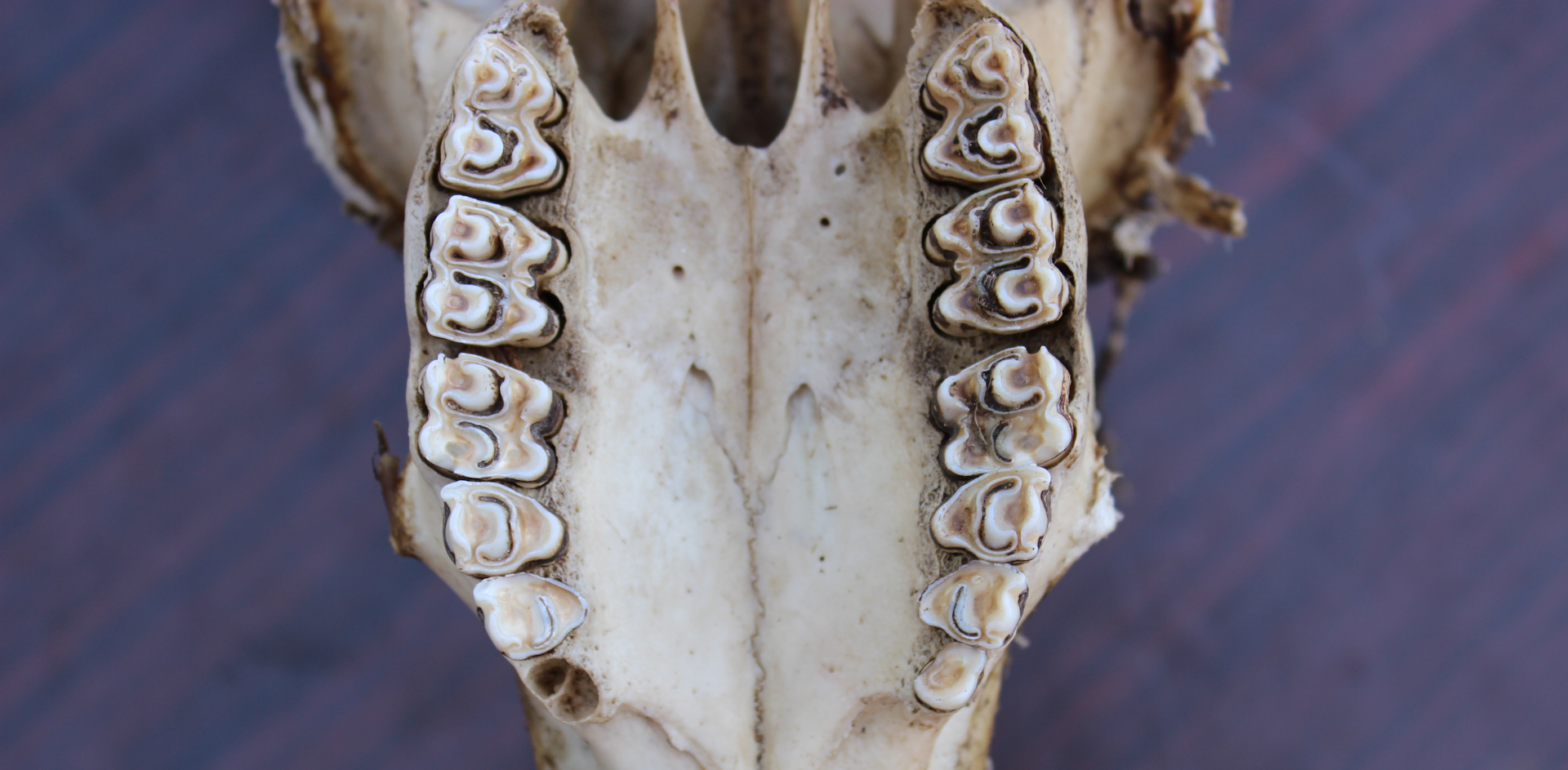

Teeth are like tiny biological time capsules. They tell stories about ancient diets and environments long after their owners have died and landscapes have changed.
After bones break down, tooth enamel stays hard and unchanged, even in fossilized teeth that have been buried under sediment and rock for millions of years and are now being uncovered by erosion or excavation.
Tooth enamel forms when an animal is young, and it remains chemically stable for the rest of that animal’s life. The food an animal eats and the water it drinks during its youth leave chemical signals within the enamel.
Because of that, hidden within the enamel of fossilized teeth, scientists can find traces of extinct forests, expanding savanna grasslands, shifting climates and evolving animal communities.
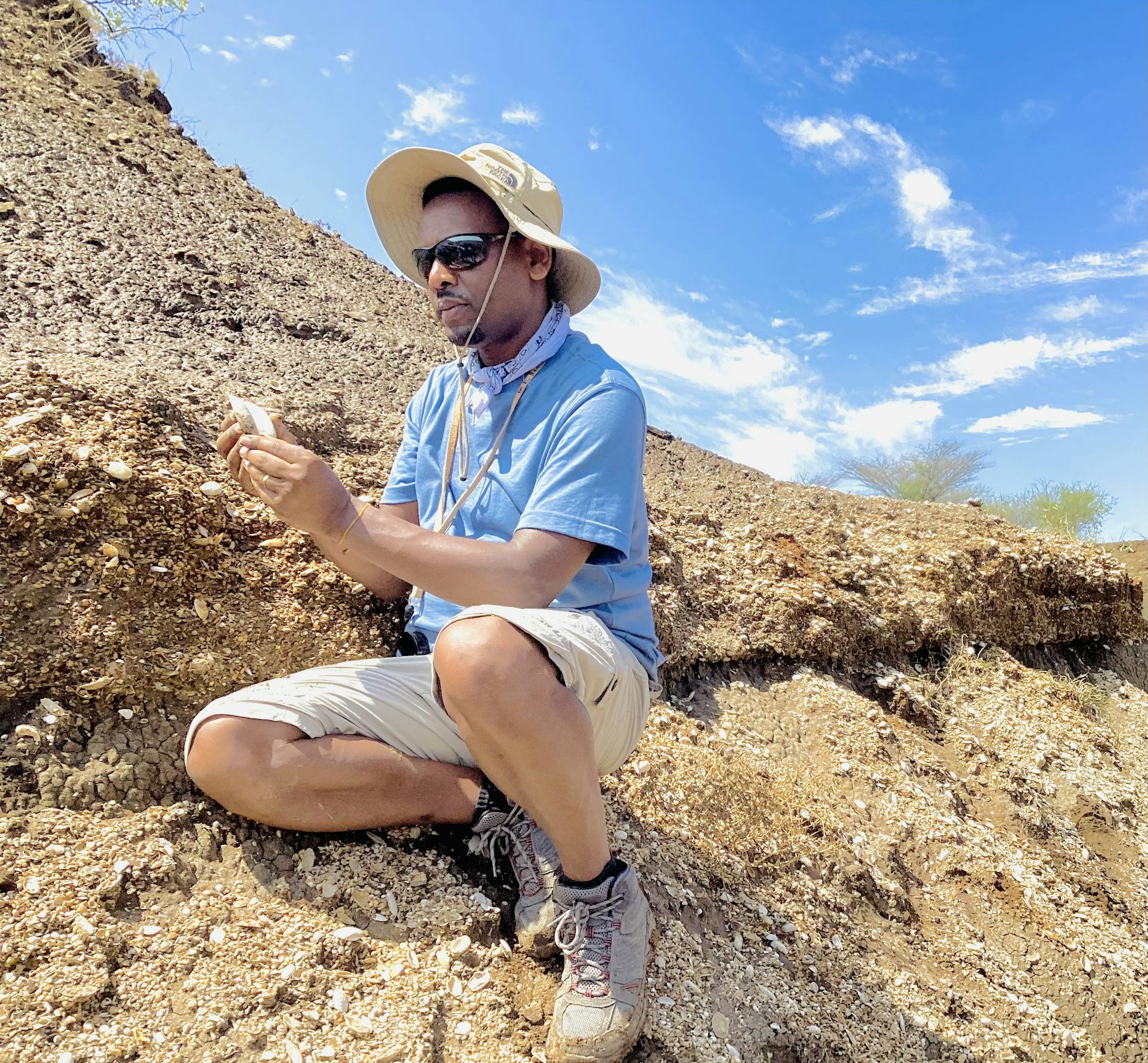
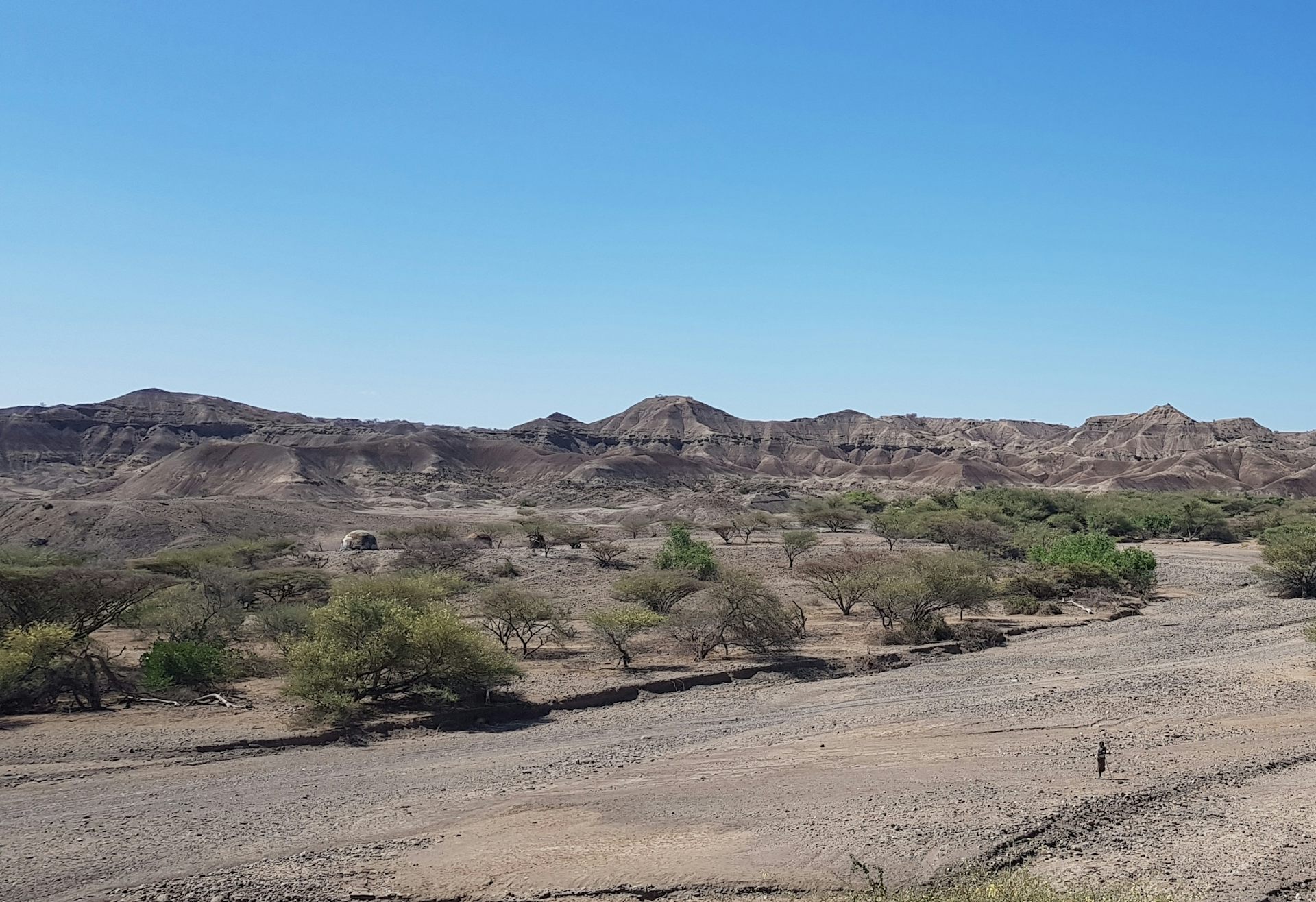
Over the past 30 years, my colleagues and I have been analyzing chemical traces in fossil teeth from Ethiopia’s Afar region in the East African Rift Valley – often referred to as the cradle of humanity – to uncover what animals ate there millions of years ago, around the time early human ancestors were evolving, and what the world looked like around them.
These clues from ancient meals are enabling scientists to reconstruct pictures of entire ecosystems, including forests, wetlands and grasslands that existed at the time. It’s a reminder that in a very real sense, organisms are what they eat.
To determine which plants ancient animals ate, my colleagues and I collect a small amount of enamel powder from fossilized teeth. We then analyze this powder in the laboratory using specialized instruments that detect chemical signals preserved in the enamel.
Trees and grasses have different ways of using photosynthesis to convert sunlight into energy. These methods leave distinct chemical patterns in plant tissues, which then become incorporated into the teeth of animals that eat those plants.
By examining these chemical patterns in tooth enamel, we can determine whether animals primarily fed on trees and shrubs or on grass, providing insight into the vegetation that once covered the ancient landscape.
We can then figure out how an environment changed over time by collecting fossil teeth from different rock layers. Each layer formed at a different time in the past, so teeth found in deeper layers are typically older than those closer to the surface.
By analyzing tooth enamel from fossils across these layers, we can compare the chemical signals preserved in the teeth and see how animal diets and the plants growing in the landscape changed through time.
Adding that knowledge to data from different types of fossils, we can track long-term shifts in vegetation, climate and ecosystems.
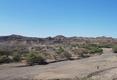
Four million years ago, the Afar region looked very different from the dry landscape you will see there today.
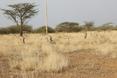
Fossils, including tooth enamel, reveal that the area supported a diverse range of environments. Rivers flowed through wooded areas, lakes were scattered across the landscape, and grassy plains stretched across the basin.
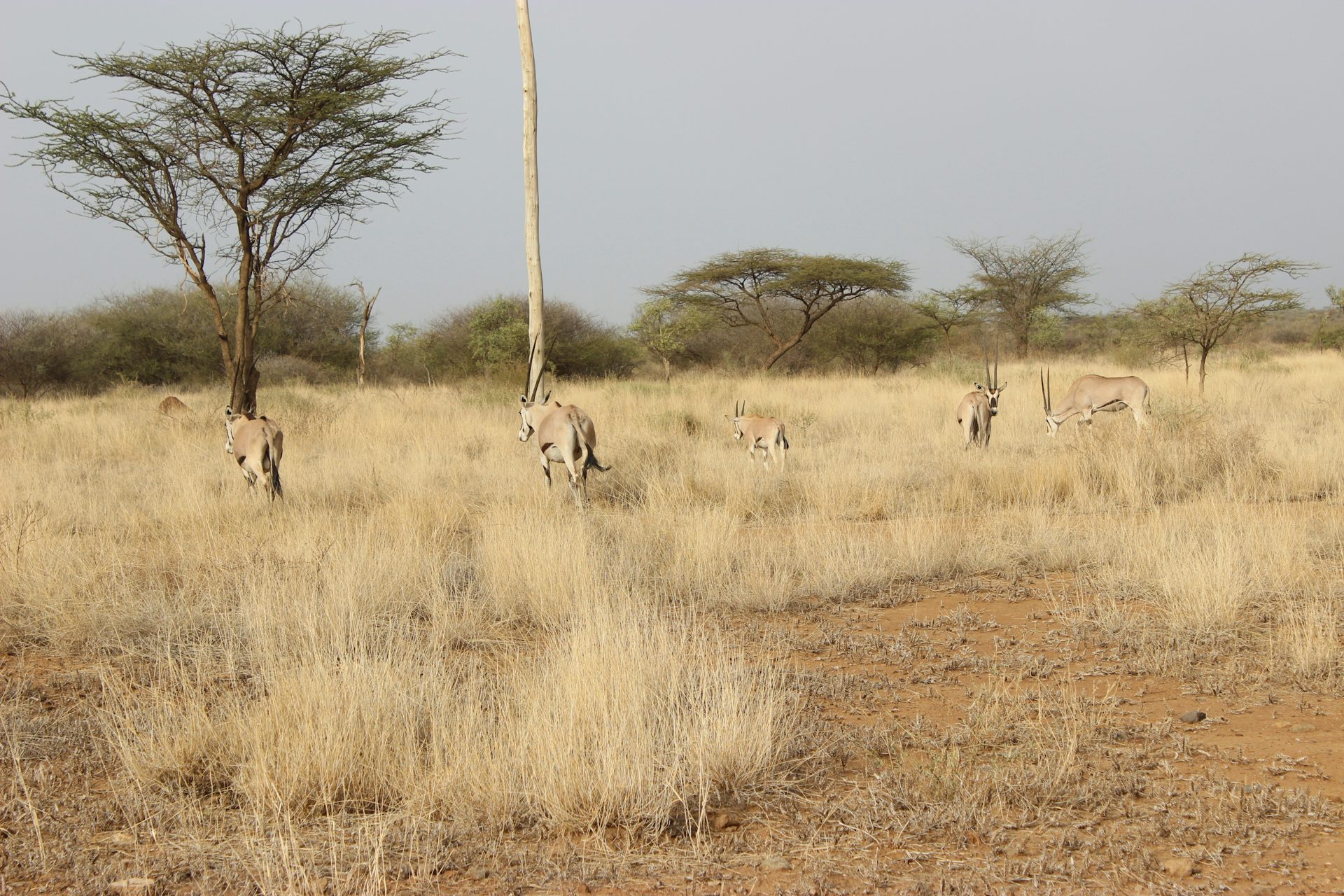
Fossilized teeth from animals like antelopes, giraffes, pigs, horses, hippos and elephants show a wide range of diets. Some animals browsed on leaves and shrubs, while others grazed on grass in open habitats.
The chemical signals in the teeth indicate that grasslands were expanding at the time, but forests still played an important role. They show that animals moved through this environment and adapted to the food sources around them.
Around 2 million to 3 million years ago, the environment shifted more drastically toward open grasslands.
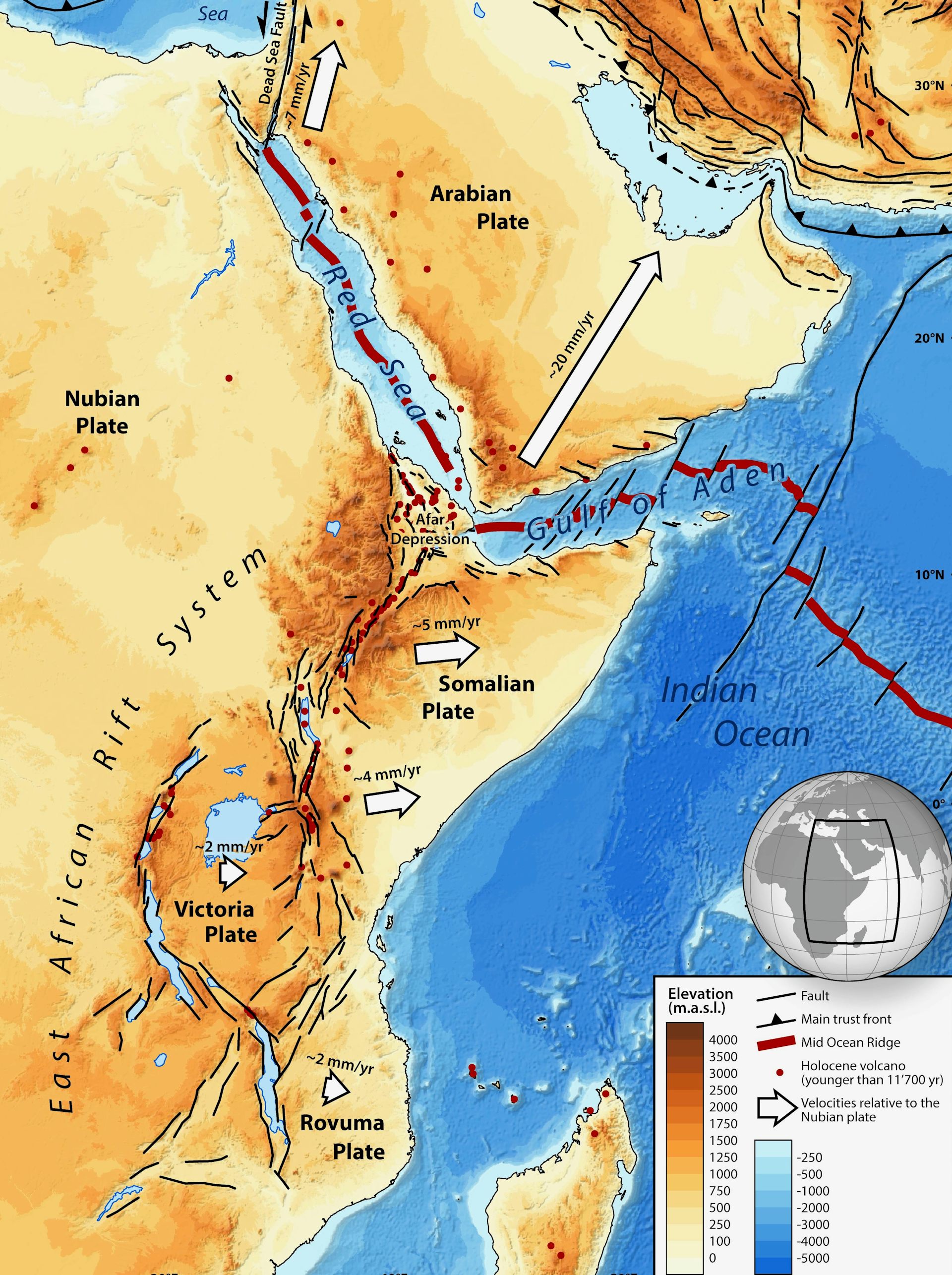
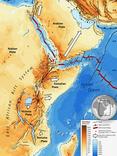
The East African Rift Valley gets its shape from three tectonic plates that have been slowly pulling apart. This tectonic activity has changed the landscape over time, altering the regional climate and drainage. Two to three million years ago, it helped shift environments from more wooded habitats to a mix of grasslands and open savannas.
Animals that relied on grass flourished, and the populations of those that didn’t adapt declined. Horses and certain antelopes, for example, developed teeth that could grind tough, gritty plants. This adaptation is recorded on their enamel.
Early human ancestors, like the famous “Lucy,” whose skeleton was discovered in the Afar region, lived in this dynamic landscape.
Fossil teeth from Australopithecus afraensis, an early human that lived in eastern Africa between about 2.9 million and 3.8 million years ago, indicate that early human relatives did not rely heavily on grass. Instead, the chemical signal in their enamel indicates mixed diets and dietary flexibility, which included fruits, leaves and roots, depending on what was available.
In a landscape that combined woodland patches and open savanna, that adaptability may have been key to survival.
This period of environmental change coincided with several important evolutionary developments and morphological changes in pre-humans. Early human ancestors were walking upright. Brain size also gradually increased, allowing for more complex behavior and problem-solving.
During this time, early humans began making and using stone tools, marking a major step in technological innovation and helping them adapt to changing environments.
The dietary changes in the East African Rift Valley over the past 4 million years, documented through tooth enamel, are providing important clues for reconstructing the environment in which humans’ ancestors lived and how those environments changed.
They also show that species that adjusted their diets as landscapes changed were the ones most likely to survive.
This ongoing research helps explore profound questions of how environmental shifts shaped life on Earth, including human trajectories. And that is helping humanity unlock its collective past.
This article is republished from The Conversation, a nonprofit, independent news organization bringing you facts and trustworthy analysis to help you make sense of our complex world. It was written by: Zelalem Bedaso, University of Dayton
Read more:
A volcanic eruption 39 million years ago buried a forest in Peru – now the petrified trees are revealing South America’s primeval history
Ancient fossils show how the last mass extinction forever scrambled the ocean’s biodiversity
1,000‑year‑old stalagmites from a cave in India show the monsoon isn’t so reliable – their rings reveal a history of long, deadly droughts
Zelalem Bedaso does not work for, consult, own shares in or receive funding from any company or organization that would benefit from this article, and has disclosed no relevant affiliations beyond their academic appointment.







Comments