Law enforcement leaders urge lawmakers to reject Gov. Healey's ticket resale price cap bill
Published in News & Features
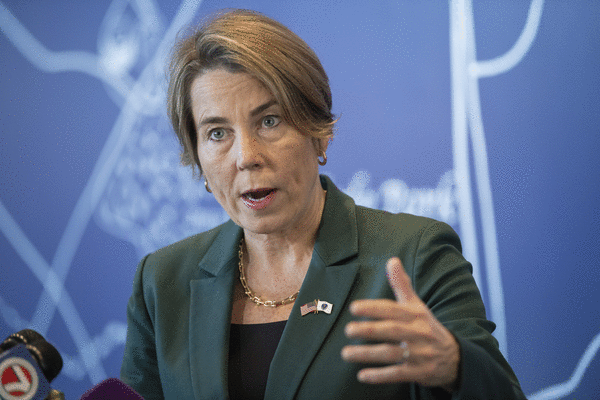
BOSTON — A group of current and former law enforcement officials in Massachusetts have sent a letter urging state lawmakers to reject a bill filed by Gov. Maura Healey that would set a resale price cap on tickets for live events, saying it would inadvertently expose fans to fraud.
The group says a price cap would only create an unregulated market where scammers will thrive, something they say that can be exacerbated by the use of artificial intelligence to make detecting fraudulent tickets and resale websites nearly impossible.
“We understand the motivation behind this cap. Tickets are expensive, and fans are right to be frustrated. Our concern is from a purely law enforcement perspective: in other jurisdictions, price caps do not stop tickets for high demand events from being sold above the legal limit. Instead, the price caps move those sales away from regulated marketplaces and into less transparent channels,” the group said in its letter, dated Nov. 5, to state lawmakers and Healey.
“We know from experience that fraudulent ticket sales used to flourish in concert arena parking lots and online in the early days of Craigslist, and we’ve seen firsthand how difficult it is to stop these scammers. When ticket transactions moved from these black markets onto established marketplaces, it provided greater transparency and accountability,” they said.
Healey filed the bill, officially named An Act Relative to Closing the Great Divide between Ticket Prices and Affordability (H.5679), in July, in an effort to make tickets for live events more affordable for fans by reforming the secondary market for them.
“Far too many Massachusetts residents have experienced the pain of being excited to buy tickets to see their favorite singer or sports team, only to realize that resale prices and fees have driven up the cost to outrageous levels. Or how about when you do purchase tickets from a reseller, only to get to the venue to realize the seller never actually transfers them to you?” Healey said when announcing the legislation. “Enough is enough. We are taking action to lower ticket resale prices so Massachusetts fans can better afford to see their favorite performer or team.”
If passed, the bill would cap concert ticket resale prices at 110% to allow for a maximum 10% markup, unless otherwise authorized by the artist or host venue. It would also ban the resale of tickets the reseller does not actually own at the time of the listing – something Healey calls “ghost tickets” – and would also ban websites mimicking official venues or artists.
“We know what it’s like to work in Massachusetts law enforcement, and we know that The Great Divide Act will do more harm than good. I spent over 28 years as a Special Agent with the FBI, working on financial crimes and fraud. Price caps don’t stop illegal sales; they move them into unregulated channels where scammers thrive, consumers have no protection, and law enforcement struggles to investigate,” said retired FBI Special Agent and President of the Boston Chapter of the Association of Certified Fraud Examiners Michael McCall, one of 16 signatories of the letter.
“We’ve seen this happen before, and we know how difficult these crimes are to prosecute — and how many resources they tie up. Regulated marketplaces provide transparency and consumer protections that keep fans safe, and lawmakers should make that their top priority,” he said.
The group explains that law enforcement efforts to stop resale fraud will be further hampered when ticket sales are pushed back into unregulated marketplaces like social media, messaging apps and other anonymous channels – something they predict will come from a resale price cap.
They say when tickets are resold on trusted and verified websites, like SeatGeek and StubHub, all transactions are recorded and assist law enforcement in identifying and tracking down scammers while also providing victims with an avenue for recourse.
“A price cap doesn’t stop tickets from being sold at high prices; it stops them from being sold at high prices on regulated marketplaces,” the group said in the letter. “In addition to the financial losses fans would face, countering this increase in financial crimes could drain badly-needed resources from departments across the Commonwealth.”
The National Association of Ticketing Professionals, or NATP. echoed the same concerns when Healey originally filed the bill in July, saying “competition, not price controls, is what protects consumers.
“Governor Healey’s proposed price cap legislation, dubbed The Great Divide Act, is a well-intentioned effort to make live event tickets more affordable for Massachusetts fans. Unfortunately, resale price caps have repeatedly failed to lower ticket prices or improve affordability. Instead, they reduce consumer choice and increase the risk of fraud,” said NATP Executive Director Gary Adler.
Adler went on to explain that the legislation “misses the real issue” of Ticketmaster’s dynamic and Platinum ticket pricing that has taken on the most blame for pricing fans out of concerts and other live events.
“Instead, it restricts one of the few competitive alternatives available to consumers, potentially strengthening the dominant market position of Ticketmaster and Live Nation,” Adler continued. “If lawmakers want to help fans, they should promote competition, transparency, consumer choice, and stronger enforcement against bots; not pass legislation that limits consumer choice while strengthening Ticketmaster’s market dominance. Massachusetts fans deserve more competition and more choice.”
While calling for Healey and lawmakers to strike the price cap portion from the bill, the group did, however, praise the anti-fraud provisions, particularly its ban on speculative ticketing and misleading claims about ticket availability, included in the legislation.
Along with McCall, the 16 signatories include a former DEA professional, former Massachusetts State Police sergeants and retired police chiefs from several cities and towns, including Newton, Braintree, and Auburn, among others, a retired FBI Special Agent.
The Boston Herald has requested comment from Healey’s office.
©2026 MediaNews Group, Inc. Visit at bostonherald.com. Distributed by Tribune Content Agency, LLC.





Comments