Longer time in custody, more transfers: San Diego's immigrant defense program grapples with ICE crackdown
Published in News & Features
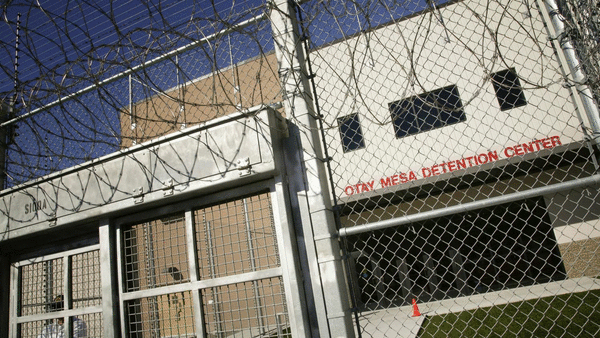
A new report on a county legal defense program provides a glimpse into how the Trump administration’s ramped-up deportation efforts have impacted the local immigration detention system.
Clients served by the county’s Immigrant Legal Defense Program generally spent nearly twice as long in detention last fiscal year compared to the prior year — the median days in custody increasing from 86 to 167 days, according to the county’s annual report.
Attorneys in the program say they have also noticed an increase in clients arrested elsewhere in the country whose cases and detentions are later transferred to the Otay Mesa Detention Center in San Diego and adjudicated locally, or vice versa.
“We’re seeing a lot of movement right now,” said Francesca Nevil, a staff attorney at the University of San Diego’s Immigration Clinic. “I’ll get assigned a case and before I can even put … my entry of appearance in, they get transferred.”
Demand for legal representation has grown significantly amid the Trump administration’s mass deportation efforts. In response, the county expanded the program’s budget from $5 million to $13.2 million in June. The program provides legal counsel to detained immigrants and unaccompanied minors facing removal proceedings.
“We can’t control what happens in Washington, but we can make sure that here in San Diego County, people have access to an attorney and a fair opportunity to defend their rights,” said county Supervisor Terra Lawson-Remer in a statement.
Over the last fiscal year, which ended June 30, the active caseload grew to 1,568 — 783 of the cases are new clients and the other half are existing clients. New‑client calls averaged 53 per month, up from 23.
More than 3,500 people have received representation under the program since its launch in 2022. In 52% of the cases that resulted in a substantive outcome, individuals were able to remain in the country. This includes hundreds of people who won protection from deportation, had their cases dismissed, or were released from detention, the report shows.
Over the last year, ICE arrests of long-term community members — people with deep family, employment and community ties — increased significantly. However, attorneys were able to increasingly use those ties, as well as evidence including psychological evaluations, to successfully argue that removal would cause an exceptional and extremely unusual hardship to a qualifying U.S. citizen or lawful permanent resident spouse, parent or child, the county said.
However, many clients have not been able to stay. During the past fiscal year, 30% of the 783 new-client cases had a substantive outcome — of those, the majority ended in an order of removal or voluntary departure, according to the county data.
Michael Garcia, chief deputy at the county Public Defender’s Office and director of the program, said that, anecdotally, attorneys have sensed a rise in the number of detainees sent to San Diego from other areas, particularly the East Coast, over the past six months.
Volunteers from local organizations have also been noticing more transfers. Last month, the Rev. Scott Santarosa of the Our Lady of Guadalupe parish in Logan Heights said that the church has been providing services to people from out of town as they are released from the Otay Mesa Detention Center. The Pope Francis Center, run by the church, provides people with a place to stay, shower and call their relatives to book flights.
“They’re from all over the U.S.,” he said.
On Friday, Santarosa estimated that the center had temporarily housed about 120 people since October.
Such transfers often make it more difficult for detainees to get legal representation and also create challenges for attorneys who want to file a habeas corpus motion to dispute the legality of their clients’ detention, he said.
Garcia noted that habeas corpus petitions, a court motion that challenges the legality of a person’s detention, have become “very much a part of immigration practice now.” Data show that the use of these petitions has become more common during the Trump administration, and, at least in San Diego, federal judges have been overwhelmingly granting them. Often, judges will either order the immigration court to release the person or to grant the person a bond hearing.
Some immigration attorneys said the significant increase in median detention time may be partly related to cases in which an immigration court denied bond hearings — an increasingly common occurrence over the past year, according to a review of several habeas petitions filed in San Diego.
The county Board of Supervisors is expected to vote on Tuesday on measures to bolster the program and its panel of attorneys. These include a recruitment and retention plan, outreach through law schools and legal organizations, and a mentorship program to prepare more attorneys to take on cases.
“As ILDP enters its fifth year, the County should establish a deliberate pipeline for recruiting new attorneys, provide mentorship and continuing training, monitor attorney workload, and use consistent performance standards to ensure that expansion does not come at the expense of quality,” Lawson-Remer and fellow Supervisor Paloma Aguirre wrote in a board letter ahead of the vote.
In the past fiscal year, 66 attorneys provided services through the program.
Lawson-Remer said the plan is not going to cost new money to the county, as it is included in the existing budget. “A lot of these changes were already kind of contemplated,” she said. “This is really to make our program function better.”
_____
©2026 The San Diego Union-Tribune. Visit sandiegouniontribune.com. Distributed by Tribune Content Agency, LLC.






Comments