
The Greener View: Gardening Winter To-Do List
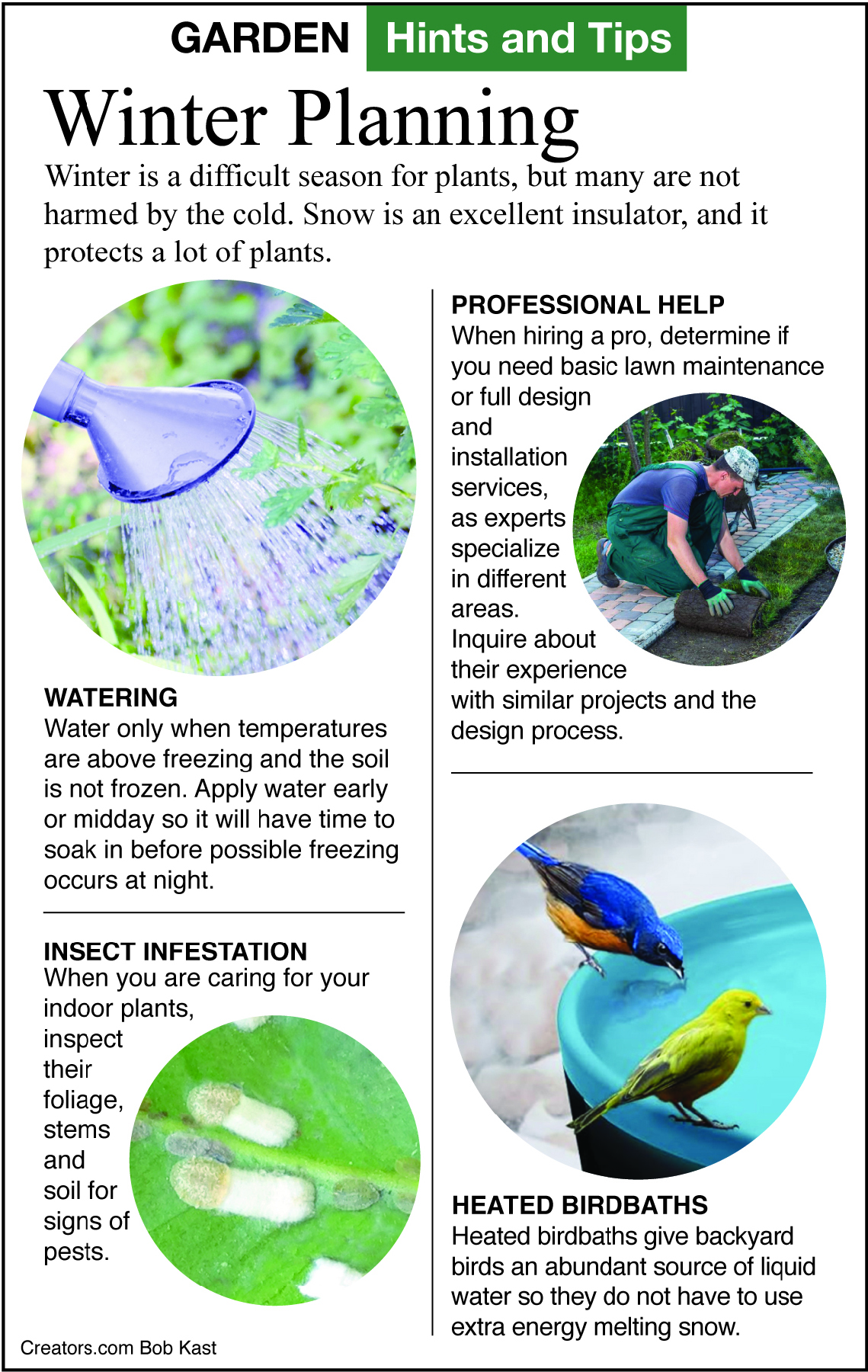
We made it through the first week of the year. Are you tired of winter yet? Officially, it is only a couple of weeks old, but I am ready for spring. I like snow that covers the ugly brown grass and leafless trees, but I like leaves and flowers more.
For Northerners, winter is a good time to plan your vegetable garden and your landscape. A good way to do that is to look at seed and plant catalogs. Many Southerners have their vegetable gardens growing right now and are looking for a little more rain.
If you need more help in planning your landscape, winter is a good time to enlist the help of a landscape architect or landscape contractor. Both professions are usually less busy in the winter and might offer discounts to do the design now and installation in the spring.
To break out of some cabin fever, go outside and inspect your landscape. Check for signs of deer, rabbit and rodent damage to landscape plants. They especially like chewing on the trunks and stems of berry- and fruit-producing trees and shrubs.
If you live in an area that has not had much snow or rain this winter, check your landscape for dry soil and plants that need to be watered. This is especially important for new landscapes and evergreens. Give them water on the soonest day that is above freezing, and hopefully, they will take in enough water to survive.
If you are one of the millions of people who started growing houseplants in the past few of years, congratulations, it is a fun and healthy thing to do. You may not realize that houseplants can develop insect and mite problems in the winter. In fact, these problems can be worse indoors than out, since there is no rain to wash the tiny pests off the plant. So, turn off your phone for a while and check your plants for insects and mites. Most can be washed off in the shower or sink. There are insecticides on sticks or in solutions that the plants soak up to kill the pests without spraying in the house.
Many houseplants need a winter grooming, so clean up the dead leaves and rotate them so more leaves will face the window and get some sun.
Don't store extra firewood indoors. Many insects hide in the bark, and as they warm up, they may move into your plants.
During the growing season, birds eat many insect pests on your plants. Do them a favor over the winter and put out a bird feeder and a birdbath heater. Suet and black oil sunflower seeds supply the most calories, so the birds have enough energy to stay warm. Water and shelter are also necessary, so don't forget them when you design your landscape. A birdbath heater is designed just to keep the water liquid and available for drinking during cold weather. It won't turn the birdbath into a spa, and it won't use much electricity.
========
Email questions to Jeff Rugg at info@greenerview.com. To find out more about Jeff Rugg and read features by other Creators Syndicate writers and cartoonists, visit the Creators Syndicate website at www.creators.com.
Copyright 2026 Jeff Rugg. Distributed By Creators.






Comments