Holiday Hazards for Pets: Keeping Animals Safe When the Festivities Begin
Published in Cats & Dogs News
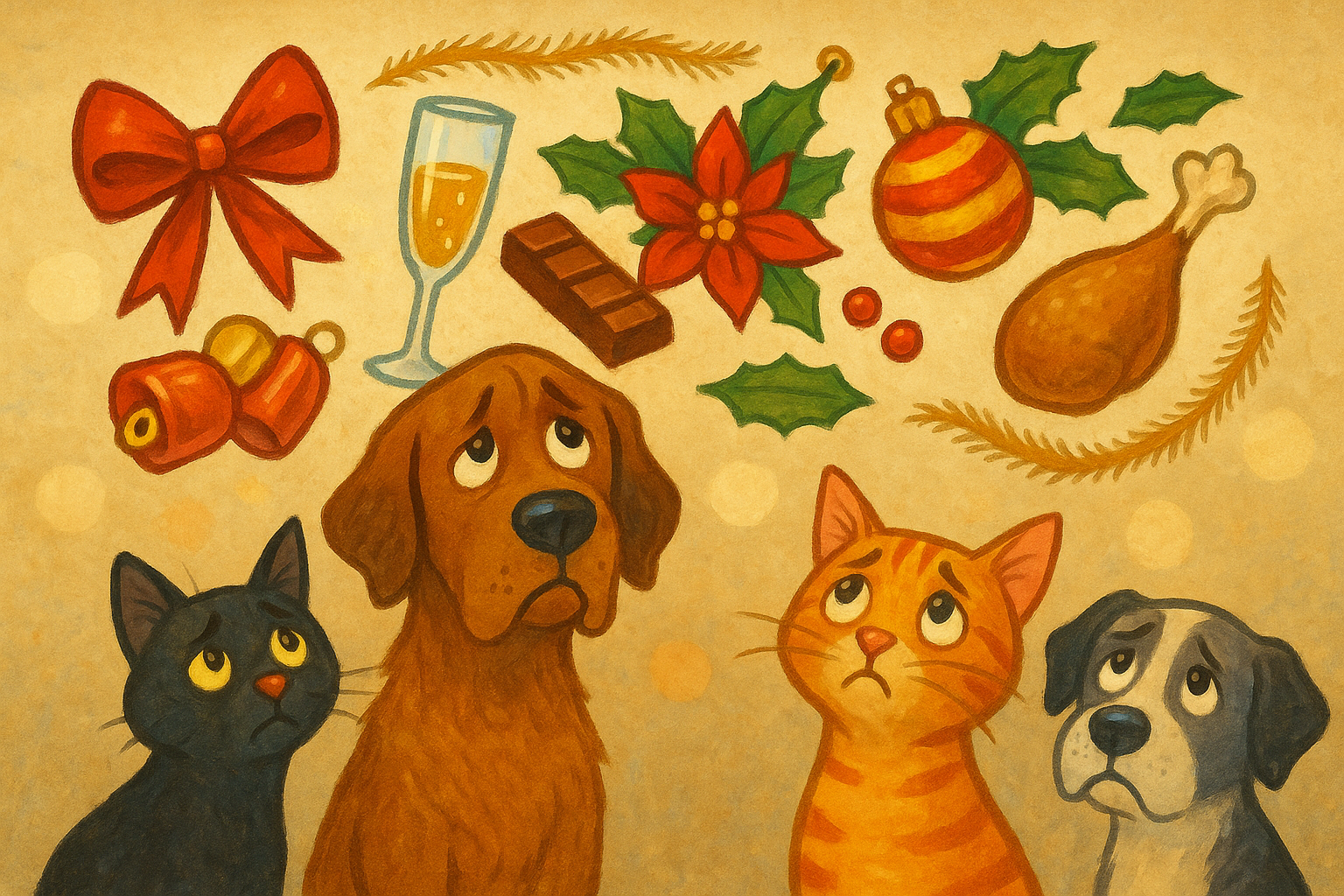
As households across the country unpack ornaments, bake seasonal treats and fill living rooms with guests, family pets often find themselves navigating a world suddenly transformed. For many, the holidays bring more stimulation, more food and more objects to investigate. That blend of novelty and excitement can create risks that even the most vigilant pet owners don’t always anticipate.
Veterinarians report a steady increase in emergency visits between late November and early January, a pattern so consistent that many clinics prepare for it the way retail stores prepare for crowds on Black Friday. The causes vary — everything from chocolate ingestion to tree-related injuries — but the majority can be prevented with awareness and preparation.
Food Temptations and Toxic Treats
Holiday food is one of the biggest seasonal threats for pets, largely because the scents and sounds of a busy kitchen draw curious animals like magnets. Many traditional dishes and desserts contain ingredients that are dangerous to dogs and cats. Chocolate remains the most familiar hazard, with darker varieties posing the greatest risk due to higher concentrations of theobromine. Even small amounts can cause vomiting, agitation or cardiac abnormalities in dogs.
Artificial sweeteners are another concern. Xylitol, found in sugar-free gum, baked goods and some peanut butters, can trigger rapid insulin release in dogs, leading to life-threatening hypoglycemia. For cats, onions and garlic — common ingredients in stuffings, sauces and gravies — can damage red blood cells and cause anemia.
Bones from roasts or poultry can splinter when chewed, causing choking or internal punctures. Fat trimmings or rich gravies may lead to pancreatitis, a painful inflammation that often requires hospitalization. Many veterinarians recommend designating a “pet safe zone” during large meals, keeping animals away from dropped food and well-meaning guests who might slip them a treat.
Decorations and Household Hazards
Holiday décor can be irresistible to pets, particularly younger animals who view the season as an invitation to explore. Christmas trees are a centerpiece in many homes and can present several hazards. Cats may attempt to climb them, risking falls or toppling the tree entirely. Dogs might chew on light strings, creating electrical shock risks.
Tinsel, ribbon and small ornaments pose dangers when swallowed. These objects can cause intestinal blockages that require surgical intervention. Glass ornaments, once broken, create sharp fragments that can injure paws or mouths. Even water at the base of live trees may contain fertilizers or preservatives that lead to gastrointestinal upset.
Seasonal plants also warrant caution. Poinsettias, though less toxic than commonly believed, can still irritate a pet’s mouth or stomach. Mistletoe and holly, however, can cause more severe reactions, including vomiting, diarrhea or cardiovascular problems. Pet owners who want festive greenery are often safer choosing artificial versions or plants known to be non-toxic.
Noise, Stress and Changing Routines
While environmental hazards tend to draw the most attention, emotional stress can pose equal risk during the holidays. Pets often rely on stable routines — feeding times, familiar visitors and predictable noise levels. The arrival of numerous guests, music, doorbells and crowded spaces can overwhelm even normally calm animals.
Dogs may retreat, bark excessively or display anxious behaviors such as pacing or hiding. Cats may isolate themselves for extended periods or show signs of stress-related illness, such as reduced appetite. In some cases, frightened pets may bolt out open doors or react defensively to unfamiliar hands reaching for them.
A designated quiet room, equipped with familiar bedding, water and toys, can give pets a safe retreat during gatherings. Owners should inform guests — particularly children — about boundaries for interacting with pets who may not enjoy the sudden influx of attention. For animals with known anxiety, veterinarians may suggest pheromone diffusers or short-term calming aids.
Travel Challenges and Boarding Precautions
The holiday season is the busiest travel period of the year, and pets are often part of the journey. Whether they accompany their families or stay behind in boarding facilities, the risks increase during this time. For pets traveling by car, unsecured animals can be injured by sudden stops or become a distraction to drivers. Carriers or harness-style seat belts provide safer alternatives.
Air travel brings additional challenges. Airlines may place restrictions on breeds, temperatures or cabin availability, and owners must prepare documentation, health certificates and approved carriers. For pets left in boarding facilities or with sitters, owners should confirm vaccination requirements, daily routines and emergency protocols in advance.
Holiday disruptions also create separation-anxiety flare-ups in pets who are not accustomed to being left alone. Providing familiar items — a blanket, toy or unwashed shirt — can offer comfort in unfamiliar environments.
Gifts, Wrapping Materials and Afterparty Hazards
Once presents are opened, a secondary set of hazards emerges. Wrapping paper, bows and plastic packaging can attract pets with their crinkly textures and movement. Cats, in particular, may shred or ingest ribbon, while dogs often chew on discarded paper or bits of cardboard. Small batteries, common in toys and gadgets, pose severe risks if swallowed, including burns to the esophagus or internal organs.
Alcohol is another overlooked hazard. Drinks left unattended — from champagne flutes to spiked eggnog — may tempt curious pets. Even small amounts can lead to disorientation, low blood sugar or respiratory issues. After gatherings, owners should ensure leftovers, beverages and trash bags are secured to prevent accidental exposure.
Preparing a Safer Holiday Season
Despite the long list of potential dangers, most holiday pet emergencies are avoidable with proactive planning. Pet owners can begin by walking through their homes from a pet’s perspective: What’s at eye level? What’s dangling, shimmering or edible? Securing cords, anchoring trees, placing decorations out of reach and storing food safely can eliminate many risks.
Keeping veterinarian contact information and the nearest emergency clinic’s address handy can save precious minutes in a crisis. For homes expecting guests, early communication about house rules — no feeding pets from plates, keep doors closed, watch for escape attempts — helps prevent accidents.
Ultimately, the holidays should be joyful for every member of the household, including four-legged ones. A bit of caution, paired with an understanding of how pets experience the sensory overload of the season, can ensure that celebrations are warm, safe and memorable for all.
========
This article was written, in part, utilizing AI tools.








Comments