Commentary: Leave animals alone
Published in Op Eds
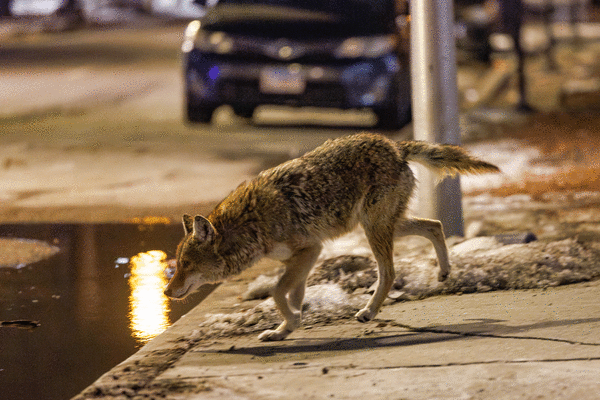
Encountering animals in nature—whether on a hiking trail, at the beach or in a neighborhood park—can be one of the most rewarding aspects of spending time outdoors.
Spring break, specifically, brings millions of visitors to natural spaces and vacation destinations, often for the first time. Yet many nature enthusiasts unintentionally put animals and themselves at risk by feeding, touching or simply getting too close. While these behaviors are often driven by kindness, they can cause profound and lasting harm. Leaving animals alone in their natural habitat is essential for their well-being and for ecological stability.
Feeding wildlife is one of the most common mistakes individuals make, especially during vacation travel. Serving gulls snacks at the beach or offering “backpack bites” to animals in national parks might seem harmless, but even foods as simple as bread can cause serious health conditions, including “angel wing” in birds, a deformity that prevents them from flying.
Most human food is also nutritionally inappropriate for animals, and feeding disrupts their natural foraging behavior and causes them to depend on artificial sources, rather than maintaining their natural diets. This dependency can rapidly erode an animal’s ability to survive in nature.
Supplying unsuitable food changes both animals’ diets and behavior. Animals who come to rely on humans for food lose their natural, healthy fear of us. Raccoons, deer, coyotes and bears are especially prone to becoming “habituated” to humans, which draws them into populated areas, where they are then labeled “nuisances” or deemed dangerous and killed as a result. Once animals associate humans with food, conflicts become inevitable. The most effective way to prevent these issues is to remove all attractants, including unsecured trash and outdoor food sources, and to stop intentional feeding.
Congregating around feeding sites—especially for animals who normally forage alone—creates ideal conditions for the spread of illnesses that can damage entire populations. Plus, habituation increases the risk of wildlife-vehicle collisions, because animals attracted to human activity often forage near busy roads and parking lots.
Another important reason to leave animals alone is that human interference can put them at physical risk. Animals may injure themselves when fleeing from strangers who get too close. Even if an animal doesn’t immediately appear anxious, the mere presence of humans can cause unnecessary stress or prompt the abandonment of their young. Ensuring a safe distance helps maintain natural wildlife behavior, which is essential for their survival.
Touching or “rescuing” young wildlife is another well-intentioned but harmful act. Many people mistakenly assume that baby animals found alone are orphaned, but in most cases, a parent is nearby and waiting for humans to leave before returning. Interfering with young animals can cause unintentional injuries, loss of essential survival instincts or death from the stress of being handled. Only animals showing clear signs of injury or distress should be assisted, and help should come from licensed rehabilitators, not members of the public.
Leaving animals alone is safer not only for wildlife but also for humans. Animals can inflict serious injuries when they feel threatened or are defending their young. Especially in national parks, where wildlife sightings are common, visitors must remember that animals are not there to be lured or tricked into coming closer. Getting too close can result in unpredictable and dangerous encounters, and federal law explicitly prohibits feeding, touching or disturbing wildlife.
The most respectful and compassionate thing humans can do for wildlife is to admire them from a distance and let them remain undisturbed. Animals thrive when they can find their own food, raise their young without interference and navigate their environments free from any human hindrance. Kindness is best shown not through touching, feeding or intervening but through stewardship—keeping food and trash secured, educating others, advocating for humane policies and remembering that nature functions best when left alone.
By giving wildlife the space and autonomy they need, we protect both animals and ourselves—and ensure that future generations can enjoy the privilege of seeing these beautiful beings living freely, just as nature intended.
______
Blair Patrick Schuyler is a writer for the PETA Foundation, 501 Front St., Norfolk, VA 23510; PETA.org.
______
©2026 Tribune Content Agency, LLC.




















































Comments