US ceasefire with Iran: What’s next? A former diplomat explains 3 possible scenarios
Published in Political News
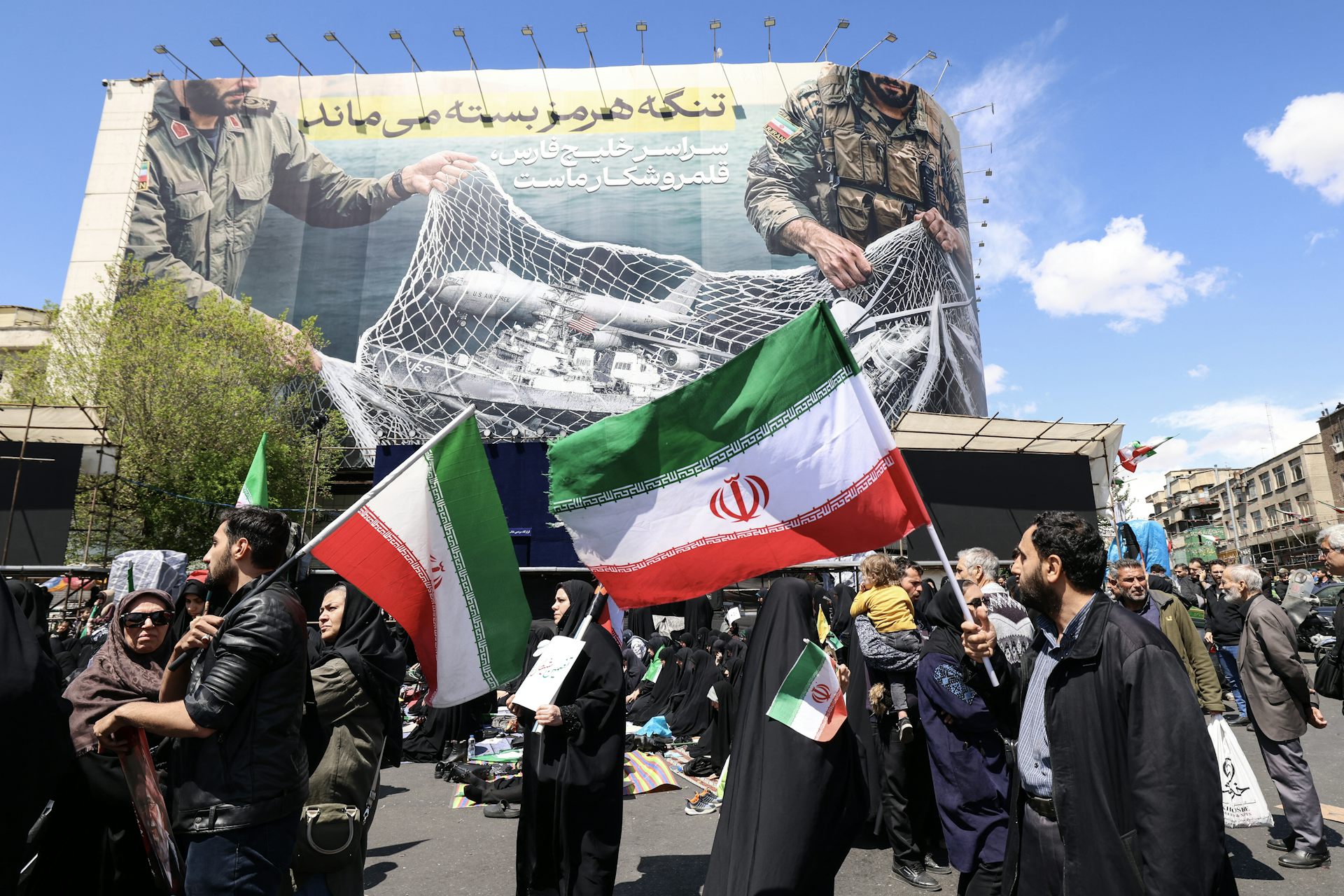
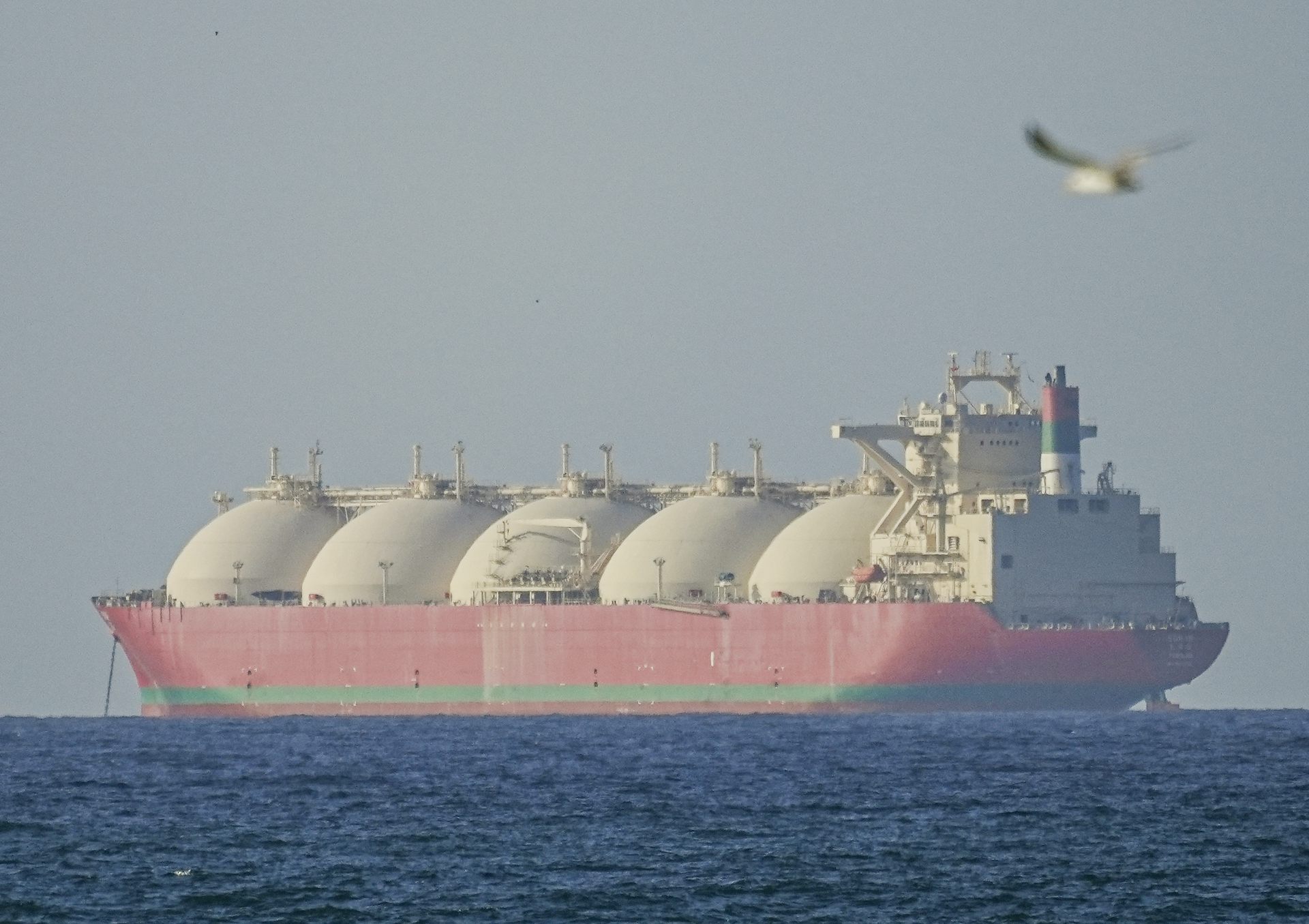
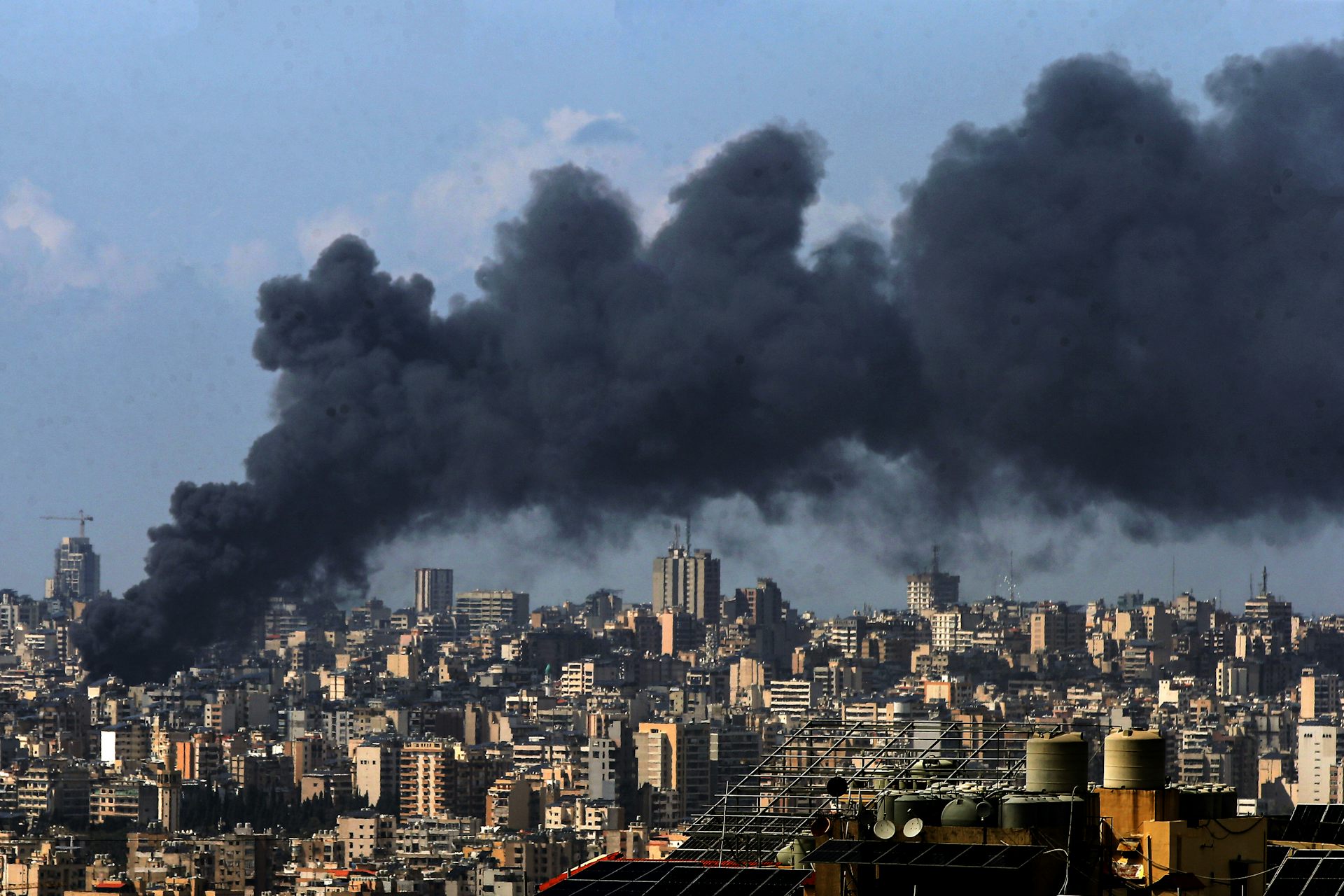



President Donald Trump on April 7, 2026, announced a ceasefire between the United States and Iran, after more than a month of war marked by U.S. and Israeli strikes against Iranian military leadership, Iranian retaliation against regional oil infrastructure and a global energy crisis.
As a former U.S. diplomat, I have found there are three ways that warring parties arrive at a ceasefire.
The first scenario happens when one party tires of war and asks for peace, as Hamas, the militant Palestinian organization, did when it pushed for a ceasefire with Israel in late 2023 and early 2024. But this strategy reveals weakness to the other side and thus seldom works. Israel ignored Hamas and continued the war in Gaza until October 2025.
Warring nations also reach ceasefires when a powerful third country insists the two parties stop fighting due to risks to world peace and regional stability. In the modern era, the U.S. has done this several times in the Mideast when it has leveraged influence over key players, such as Israel and Egypt. But with the Iran war, there is no country in a good position to do this.
The current U.S.-Iran ceasefire is a good example of the third way that agreements to stop fighting can happen. Both countries were tired of the costs and the ongoing risks of the war, and they sent signals to that effect.
Pakistan, which deserves praise for stepping in, picked up on this and offered to serve as an intermediary. For at least two weeks, assuming the ceasefire holds, the U.S., Iran and Israel can lick their wounds and consider their next moves, as they work out whether the conflict between Israel and Hezbollah is covered by the ceasefire.
Why were the United States and Iran ready for a ceasefire?
For the U.S. and Israel, the war didn’t go as planned. There was no true regime change in Iran and no uprising of its people.
Iran closed the Strait of Hormuz, a key maritime channel between the Persian Gulf and the Gulf of Oman, and maintained its ability to shoot down warplanes and attack its neighbors, including Israel, Saudi Arabia, the United Arab Emirates and Kuwait.
For Iran, the war has cost the lives of thousands of its citizens and dozens of its leaders. It has also ruined key infrastructure, and it had the potential to get much worse.
That’s how we got here. Now, where could the war go next?
One possibility is that the ceasefire lasts only two weeks, is shaky throughout – as seen with Israel’s bombing of Lebanon after the ceasefire was declared – and war resumes.
The world already knows what that looks like, with its impact on the global economy and the soaring financial costs to the U.S. military.
Another scenario is that the ceasefire is extended, either clearly or just de facto, with zero to minimal U.S. attacks or Iranian missile or drone launches. This is quite possible.
The third and best outcome would be if the two parties are able to use these two weeks, plus some extensions, to hammer out the key points of a peace deal.
What could this involve?
The two key U.S.-Israel demands are that Iran give up its nuclear weapons development and stop backing Hamas and Hezbollah, the Shiite militia with extensive influence in Lebanon.
At this point, I believe the Iranians should realize that nuclear weapons are not their best deterrence, and that their attempts to obtain them have led only to their isolation. Their true deterrence is their ability to close the Strait of Hormuz and choke off 20% of the world’s energy supply. For that, they need only drones and small speed boats.
Iran’s support of Hezbollah, which has contributed to the ruin of a once prosperous and democratic Lebanon since it launched military operations inside the country in 1982, is a liability to them as well.
Iran’s missile attacks during this war have made it clear that they would be able to deliver nuclear weapons if they had them. And their drone and missile strikes on their Muslim neighbors, including Qatar and Saudi Arabia, are only creating new enemies.
But what would the Iranians want in return?
First and foremost, an end to attacks by other countries attempting to topple their regime. Second, and just as important, a permanent lifting of sanctions so long as they end their support for terrorist groups and surrender their uranium. Unfortunately, such an agreement would do nothing for pro-human rights groups in Iran.
All parties would need to be committed to working out the many details for a ceasefire to last. Pakistan would need to stay the course as an honest broker and not get discouraged. The governments involved would need to be able to persuade their people that such a deal is acceptable.
Sound impossible? It’s been done many times in history. Think of how intractable the conflicts in Northern Ireland or between Israel and Egypt once seemed. The key element is for both sides to fear a resumption of war more than they do the consequences of a compromise peace.
A major problem is the lack of trust on both sides. The U.S. has seen Iran go back on promises before. Israel was traumatized by Hamas attacks in 2023. And Iran can’t keep up with Trump’s constantly changing signals and his bombing Iran while negotiating with the government there.
But if the ceasefire holds and negotiations are successful, the world could see an Iran that, at least, is no longer a menace to its neighbors. And Iran would see itself being readmitted to the world economy, which it desperately needs.
If it doesn’t work, and we go back to how things were before the ceasefire, we’ll be back to the U.S. and Israel raining down hard-to-replace munitions on Iran, and Iran lashing out with drones and missile attacks against a dozen countries, with the world economy taking a beating.
This article is republished from The Conversation, a nonprofit, independent news organization bringing you facts and trustworthy analysis to help you make sense of our complex world. It was written by: Donald Heflin, Tufts University
Read more:
After ceasefire, negotiating a lasting deal with Iran would require overcoming regional rivalries and strategic incoherence
As a philosopher, I’m convinced that Trump isn’t lying − he’s doing something worse
Israeli threats to occupy or annex south Lebanon dust off a decades‑old playbook
Donald Heflin does not work for, consult, own shares in or receive funding from any company or organization that would benefit from this article, and has disclosed no relevant affiliations beyond their academic appointment.






















































Comments