More than 119 million Brazilians voted in the Oct. 4 election – including about 21,000 Florida residents
Published in Political News
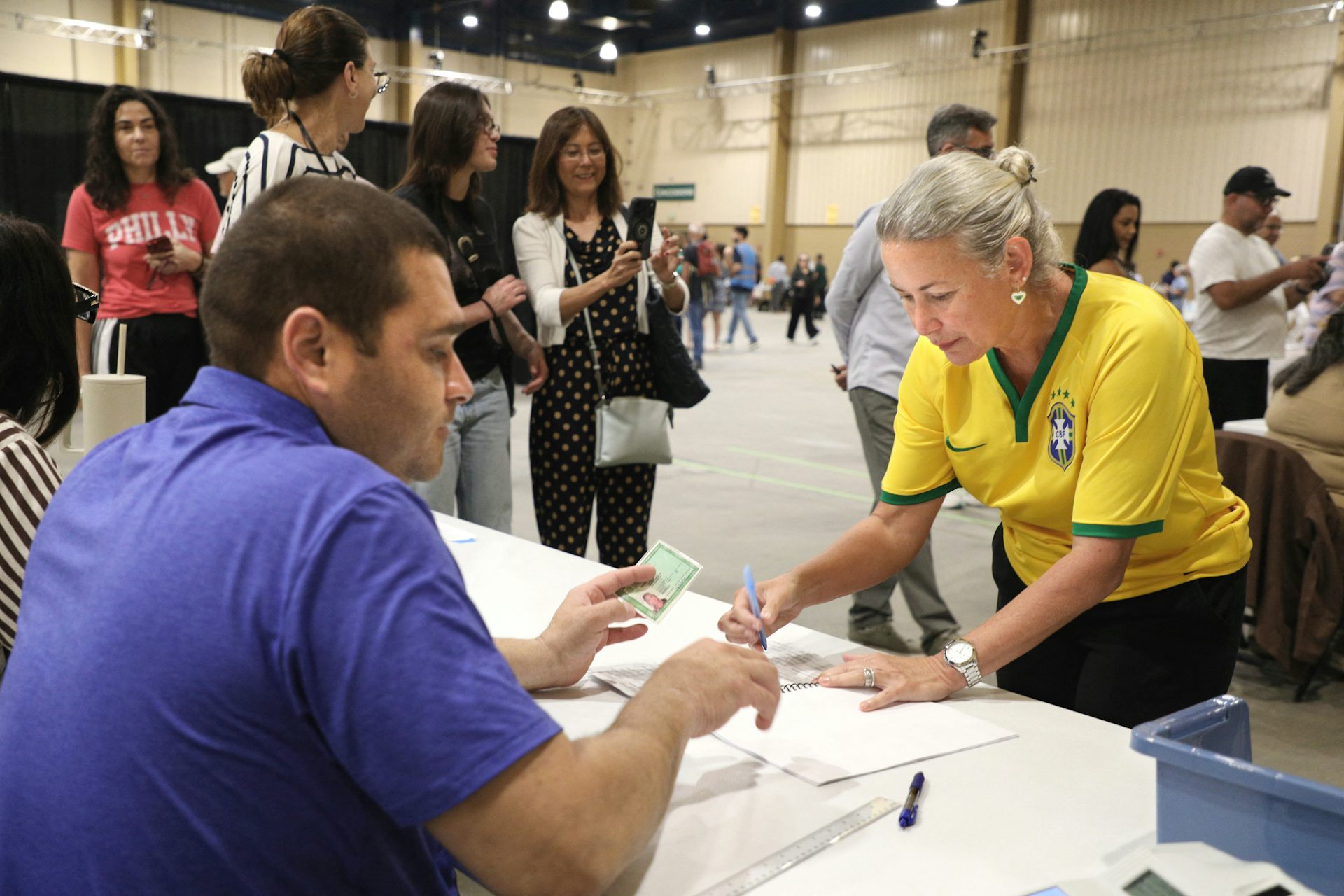
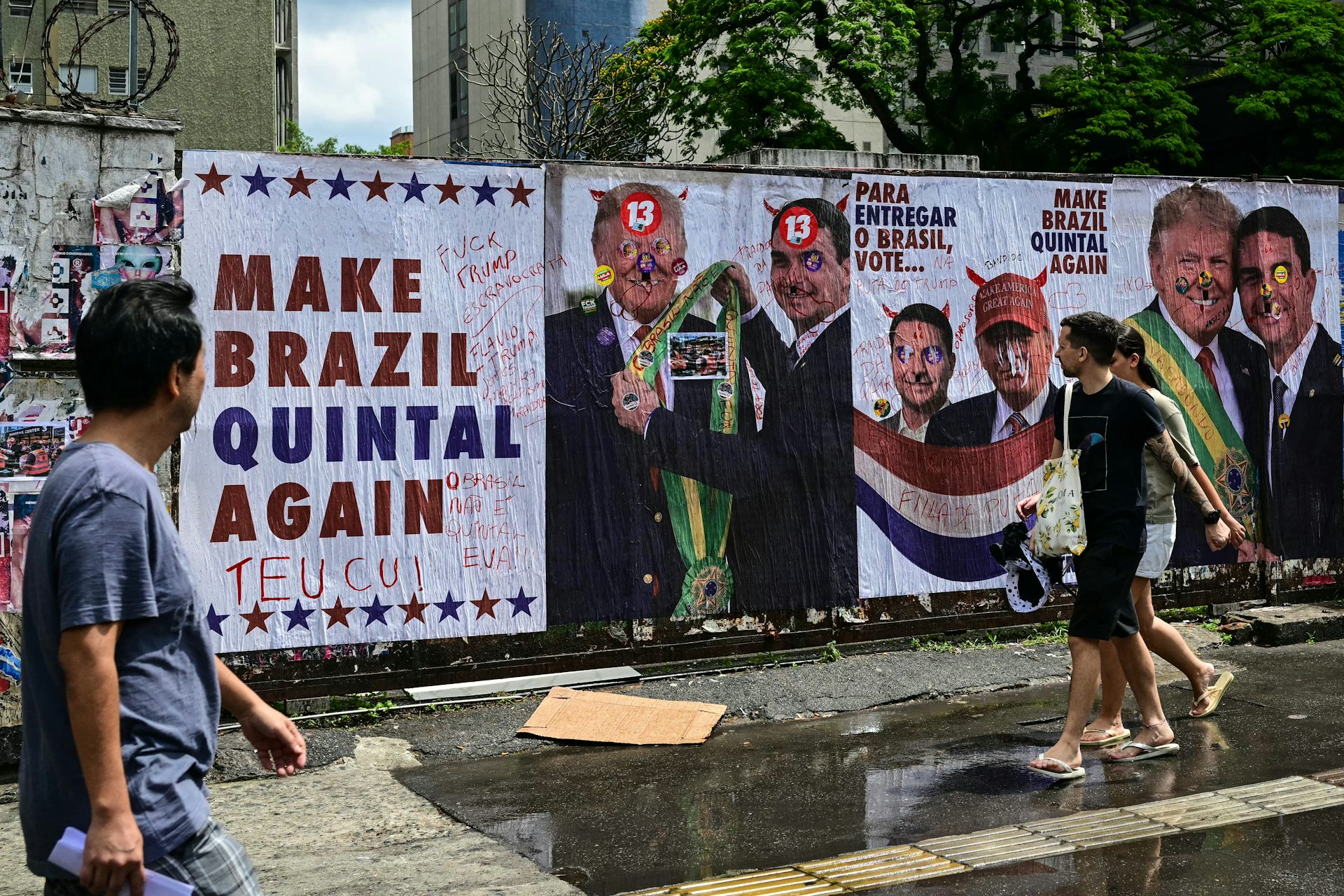

More than 119 million Brazilians voted on Oct. 4, 2026, in the national elections to select the country’s next president and the governors of all 27 states, among other government officials.
That’s nearly 75% of the approximately 159 million eligible voters. Unlike in the U.S., voting is mandatory in Brazil for all citizens between the ages of 18 and 70.
This includes nearly 1 million Brazilians who currently live outside the country. About 265,000 Brazilians call the U.S. home, with small but growing communities in Boston, New York and Miami.
Because neither incumbent President Luiz Inácio Lula da Silva nor his far-right opponent, Flávio Bolsonaro, the son of disgraced former President Jair Bolsonaro, managed to get over 50% of the votes, Brazilians at home and abroad will have to turn out again on Oct. 25 for a runoff election.
Brazil does not have a long tradition of democracy. But it does have a secure and sophisticated election system. As a scholar of Latin American history and politics, and a Brazilian citizen living in the U.S., I watched these elections with great interest.
Brazilians living abroad are required by law to vote, but they may not cast ballots by mail or online. In many countries, Brazilian consulates serve as the polling places for the diaspora population. Because the U.S. is so spread out, the Brazilian government sets up 15 polling places in 12 states. Two of these are in Florida – one in the Orlando area, where about 26,000 Brazilian voters live, and one in Miami, which is home to the third-largest concentration of Brazilians in the U.S., with more than 40,000 registered voters.
Voting takes place in a single day – always a Sunday – through electronic voting machines, and results are known within a few hours. Though it is compulsory, the penalty for not voting is just a small fine – about US$1 – and as long as a citizen notifies the government within two months of the election that they did not vote, they remain in good legal standing.
So it’s not surprising that only about 75,000 Brazilians – roughly 28% of eligible voters – cast their ballots in the U.S. on Oct. 4.
It’s unclear whether U.S. Immigration and Customs Enforcement operations prevented people from voting, though some Brazilians say they believe fear of ICE contributed to a lower turnout than in 2022, when more than 37% of eligible voters cast their ballots. Organizations for expats in the U.S. warned Brazilians that if their immigration status was precarious, they should not vote.
What is clear is the importance of this election for the future of Latin America’s largest economy and society, as well as for the future of Brazil-U.S. relations. If reelected, Lula is likely to continue to resist overt pressures from Washington to weaken Brazil’s economic ties with China.
On the other hand, Flávio Bolsonaro has signaled that he plans to have much closer relations with the U.S. That is why President Donald Trump would prefer to have a Bolsonaro in power, so that the U.S. influence in Latin America may be further consolidated.
Among Brazilian voters who were abroad on Election Day, Lula won in 64 out of 101 countries where voting was made available by Brazilian diplomatic authorities. But Flávio Bolsonaro won in some of the nations with the largest numbers of Brazilian residents. This includes the U.S., Japan and neighboring countries in South America.
In the U.S., Brazilian voters cast 45,004 ballots for Flávio Bolsonaro and 23,335 for Lula. This seems to be another indication of the polarization that has shaped this key election and, more broadly, the general political context of Brazil in the past few years.
I was not surprised to see that Flávio Bolsonaro finished in the lead on Oct. 4, as the electoral pendulum across the region has been swinging to the right of the political spectrum for some time.
Even though Lula managed to defeat Jair Bolsonaro in 2022, Bolsonarismo – the extreme-right political movement that carries his name – has remained the most influential political force in the country. This is a right-wing movement whose leaders, especially members of the Bolsonaro family, have openly and consistently called for the revival of Brazil’s military regime that ruled the country from the mid-1960s to mid-1980s.
Now that Flávio Bolsonaro, an otherwise irrelevant senator from the state of Rio de Janeiro, where the staunch political base of the Bolsonaros is located, has finished ahead of Lula in the first round of elections, it seems clear that the extreme right has the upper hand in Brazil today.
A few years ago, Brazil seemed on track to becoming a mature democracy, after having held several electoral cycles with peaceful transfers of power to opposition candidates.
But now, considering the lack of commitment to democratic traditions in the Bolsonarismo movement, this trend risks being derailed, ironically, by means of a democratic election.
This article is republished from The Conversation, a nonprofit, independent news organization bringing you facts and trustworthy analysis to help you make sense of our complex world. It was written by: Rafael R. Ioris, University of Denver
Read more:
How a diplomatic snub evokes the complicated US‑Brazil relationship in the second Trump era
Brazil coup charges could end Bolsonaro’s political career − but they won’t extinguish Bolsonarismo
The US sells more to Brazil than it buys – but Trump is slapping steep tariffs on its exports anyway
Rafael R. Ioris does not work for, consult, own shares in or receive funding from any company or organization that would benefit from this article, and has disclosed no relevant affiliations beyond their academic appointment.













































Comments