Pheasant numbers increase for second year running in Minnesota
Published in Outdoors
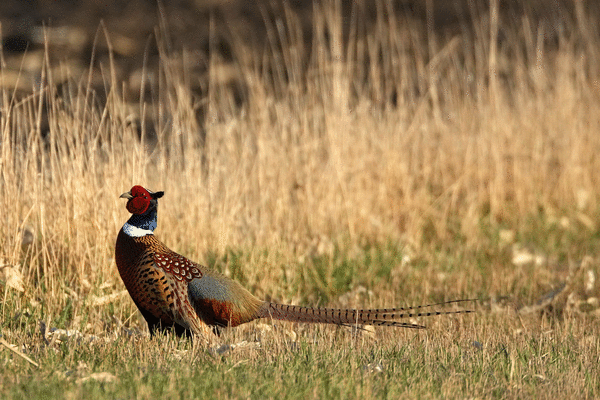
MINNEAPOLIS — Statewide Minnesota roadside pheasant counts are up almost 20% from a year ago, according to information released last Tuesday by the Department of Natural Resources.
The population bounce builds on a nearly 50% statewide pheasant buildup recorded in 2025 from 2024. Favorable spring nesting conditions that followed a mild winter with little snow in the state’s pheasant range are responsible for the increase.
Roadside counts conducted in August indicate the biggest ringneck population jumps this year occurred in the west central (up 74%), central (25%), and south central (17%) regions of Minnesota.
Pheasant population decreases, meanwhile, were recorded in Minnesota’s southeast (down 51%), east central (29%), and southwest (15%) regions.
Other pheasant-range wildlife populations also are counted during the annual survey. Cottontail rabbit populations, for example, were unchanged this summer from 2025, while increases were noted for mourning doves (up 24%) and white-tailed deer (7%).
Of the 167 25-mile-long routes driven by observers between July 30 and Aug. 16, 148 were in the pheasant range. Observers, many of whom were volunteers, drove beginning at about sunrise each morning at speeds of from 15 to 20 miles an hour.
The best counting conditions during this period occurred on cool, clear, calm mornings with heavy dew, the DNR said. Wildlife at these times tend to move to gravel roadsides and other dry areas, making them relatively easy to observe.
The pheasant increases occurred despite 22,572 acres of net grassland losses on public and private lands within the state’s primary pheasant range from a year ago, topped by a 42,000-acre drop in federal Conservation Reserve Program acres.
About 6% of lands in Minnesota’s pheasant range are protected as state Wildlife Management Areas, federal Waterfowl Production Areas or are enrolled in other state, federal or private programs. That figure was 7.1% in 2025.
The positive Minnesota news follows pheasant population reports from North Dakota and Iowa indicating ringneck numbers also are up in those states. South Dakota, meanwhile, no longer surveys its pheasant population.
Hunting season for pheasants opens Oct. 10 in Minnesota.
©2026 The Minnesota Star Tribune. Visit startribune.com. Distributed by Tribune Content Agency, LLC






Comments