Why the closing prayers of Judaism’s holiest holiday focus on repairing relationships with each other
Published in News & Features


Each Passover, as Jewish families start the Seder meal, a child asks, “Why is this night different from all other nights?”
And each Yom Kippur, as worshippers attend the last prayers of the day, they might well ask: “Why is this closing service different from all other services?”
Throughout the High Holidays, the 10-day period that begins with Rosh Hashanah and ends with Yom Kippur, Jews pray to be “inscribed” in the Book of Life – that God grant them life, livelihood, health and moral growth in the coming year.
The holidays culminate in Yom Kippur, the Day of Atonement: a day dedicated to reflection, fasting and repairing each person’s relationship with others – and through that, their relationship with God.
According to Jewish tradition, the Book of Life is sealed as Yom Kippur draws to a close, as is each person’s fate for the coming year. During the fifth and final service, one prays to be “sealed,” which on this Day of Judgment entails being forgiven. This last service is thus titled “Ne’ilah,” or “the closing,” reflecting the idea that the gates of heaven are closing. It also alludes to the gates of the ancient Temple in Jerusalem, where the holiday was once celebrated.
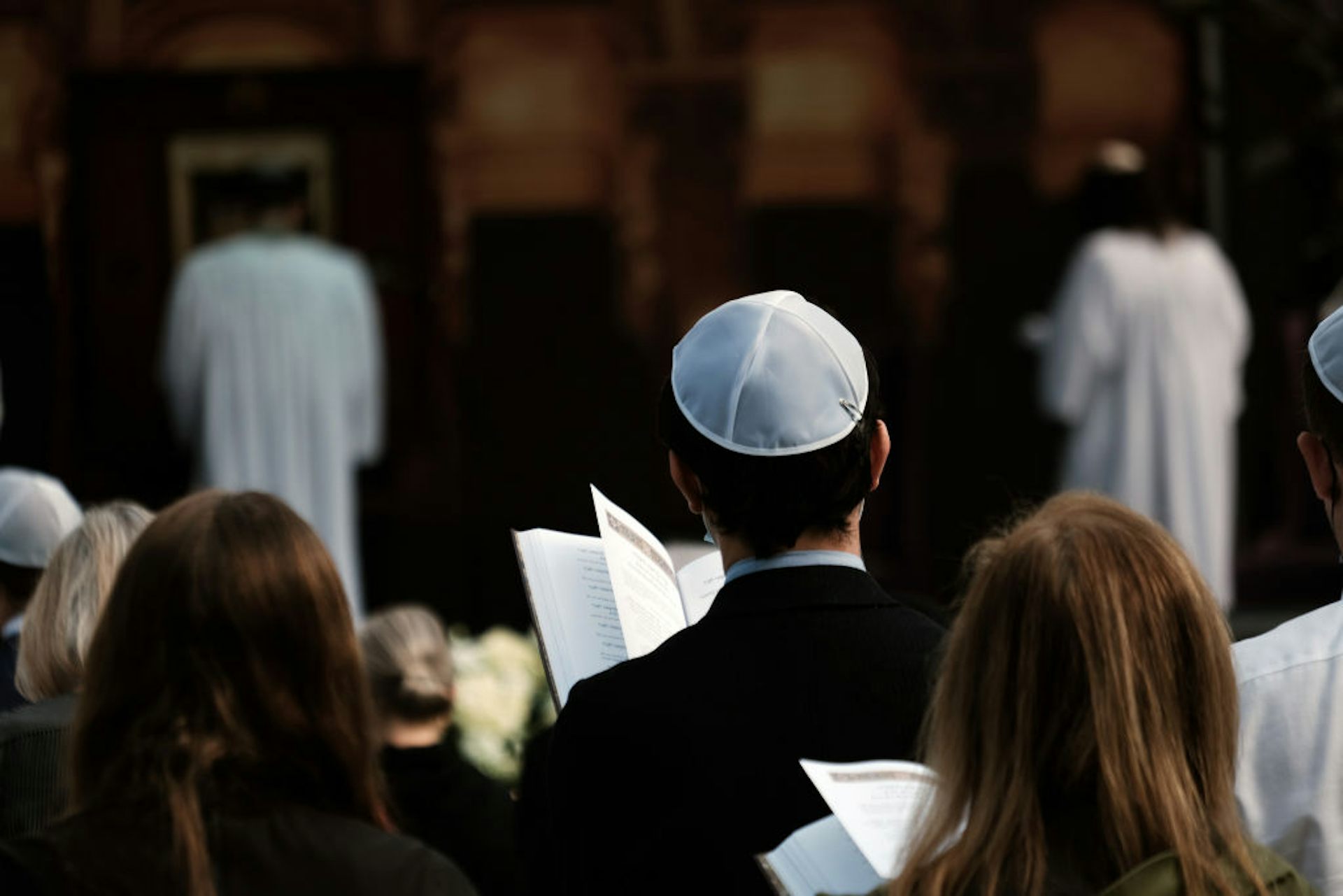
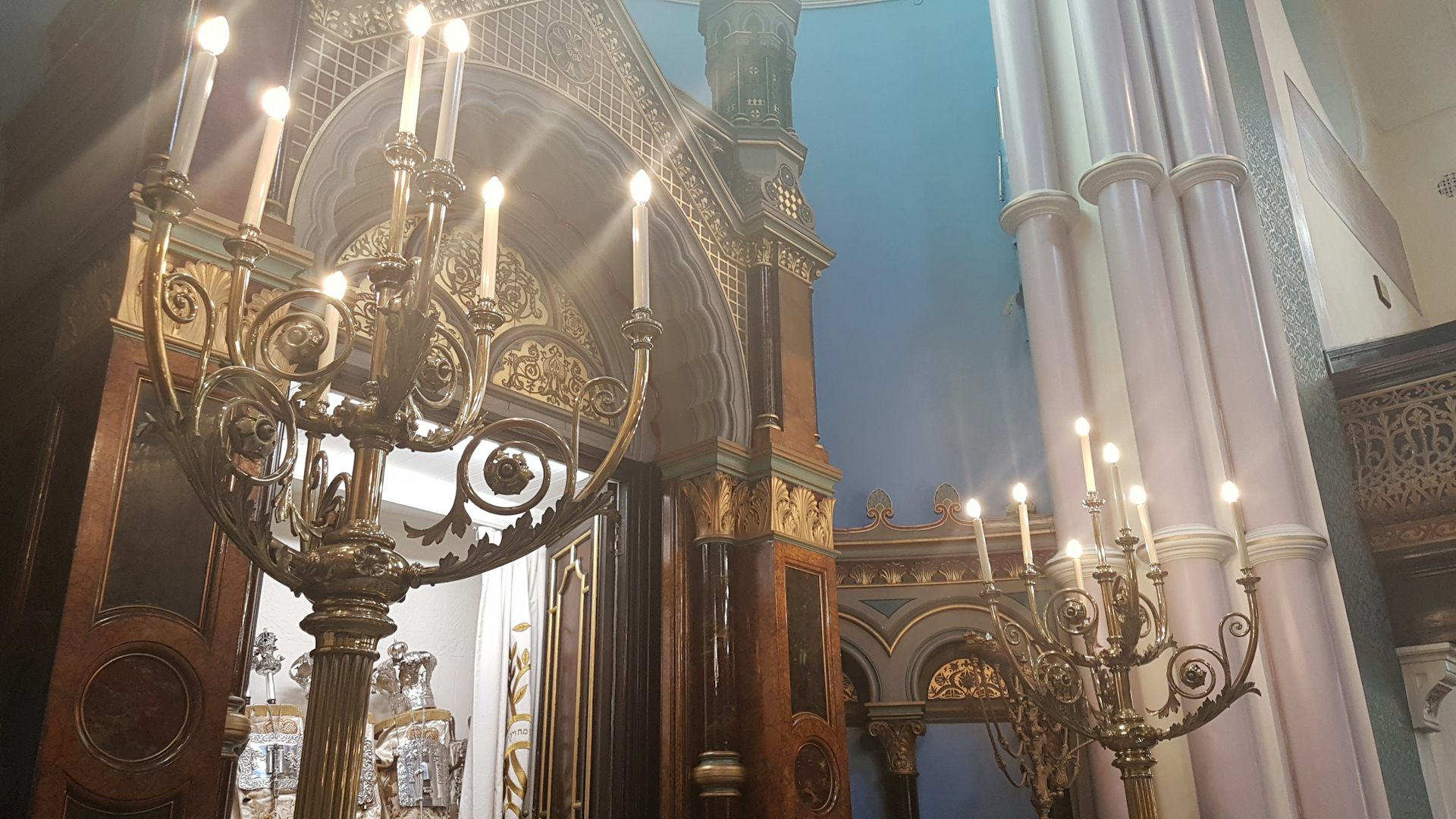
Ne’ilah prayers are accordingly recited at the closing of the day – just at sunset, adding nature’s drama to the closing of the day. The ambience is enhanced by keeping open the ark of the Torah, the usually closed chamber at the front of the synagogue that protects the scrolls of scripture. Many congregants remain standing, using this final chance to plead their case as the day slips by.
Yom Kippur is a day reserved for repentance, expressed through confession – and, in many ways, it is a day of repetition. The confessional prayer is recited up to 10 times over the course of five services.
It begins with the congregation asking God for forgiveness “for the sin that I have committed before You.” Yet what follows is an extended list of ethical sins, with a focus on the sins of abusive speech, such as slandering, slurring, slighting and smearing the reputations of others. A foundational concept of Judaism is that humanity is made in the image of God, meaning that in wronging others, we offend God as well.
As a scholar of Jewish liturgy, I believe this prayer points to a key theme of the entire High Holidays, and of Judaism itself: that to do right by God, people must first do right by each other.
After reciting the confessional, the Ne’ilah service adds one more prayer, not used in other services. This addendum focuses not on the specifics of confession but the dynamics of repentance: underscoring that belief that each person’s relationship with God is correlated with their relationship with other people.
Ne’ilah thus focuses on the sin of fraud, echoing a passage from the biblical Book of Jonah read in the preceding afternoon service: “Let everyone repent of their evil way by giving back the stolen goods in their hands.” To return to God, then, it is important to return what is owed to other people: emotionally, spiritually and materially.
Whereas the oft-repeated confessional focuses on offenses of the lips, such as slander, here the focus is on offenses of the hands: taking what does not belong to us, such as by exploiting the vulnerable or committing fraud.
The prayer opens with God’s outstretched, inviting hand, inducing penitents to hand over ill-gotten goods to their rightful owner. But as the addendum has it, God can’t hold out his hand in reconciliation until we have reconciled with the people we wronged.
“You give space” – literally, you give a hand – “to the sinner, but You extend Your right hand to penitents,” it begins. “You have taught us … to confess to You every one of our sins so that we cease handling unlawful goods.”
Judaism holds that God won’t forgive you for a sin if you haven’t made amends with the person you wronged. During the Days of Awe leading up to Yom Kippur, Jews are taught to ask each other for forgiveness, apologizing for the ways we wronged one another in the past year.
Rather than browbeating people into repentance, the Ne’ilah service’s strategy is to boost them up into it, playing upon the biblical idea of the grandeur of humanity. “You have distinguished humanity from the beginning, privileging it to stand before You,” the liturgy says.
Judaism sees sin as a rupture that can be healed, not an inherent condition. The liturgy’s message is this: Live up to your greatness, your divinely endowed potential, as a being made in God’s image.
For Ne’ilah, the eminence of humanity consists in the ability to repent and set things right before man and God. This is what Yom Kippur is all about.
This article is republished from The Conversation, a nonprofit, independent news organization bringing you facts and trustworthy analysis to help you make sense of our complex world. It was written by: Reuven Kimelman, Brandeis University
Read more:
Rosh Hashana and Yom Kippur are times for soul‑searching, but not on your own – community has always been at the heart of the Jewish High Holidays
How the spiritual sound of the shofar shapes the Jewish new year – a Jewish studies scholar explains
Campuses are ground zero in debates about antisemitism − but that’s been true for 100 years
Reuven Kimelman does not work for, consult, own shares in or receive funding from any company or organization that would benefit from this article, and has disclosed no relevant affiliations beyond their academic appointment.






Comments