Kratom poisonings surged 1,200% over the past decade, and regulators are struggling to keep up with the dangers
Published in Health & Fitness
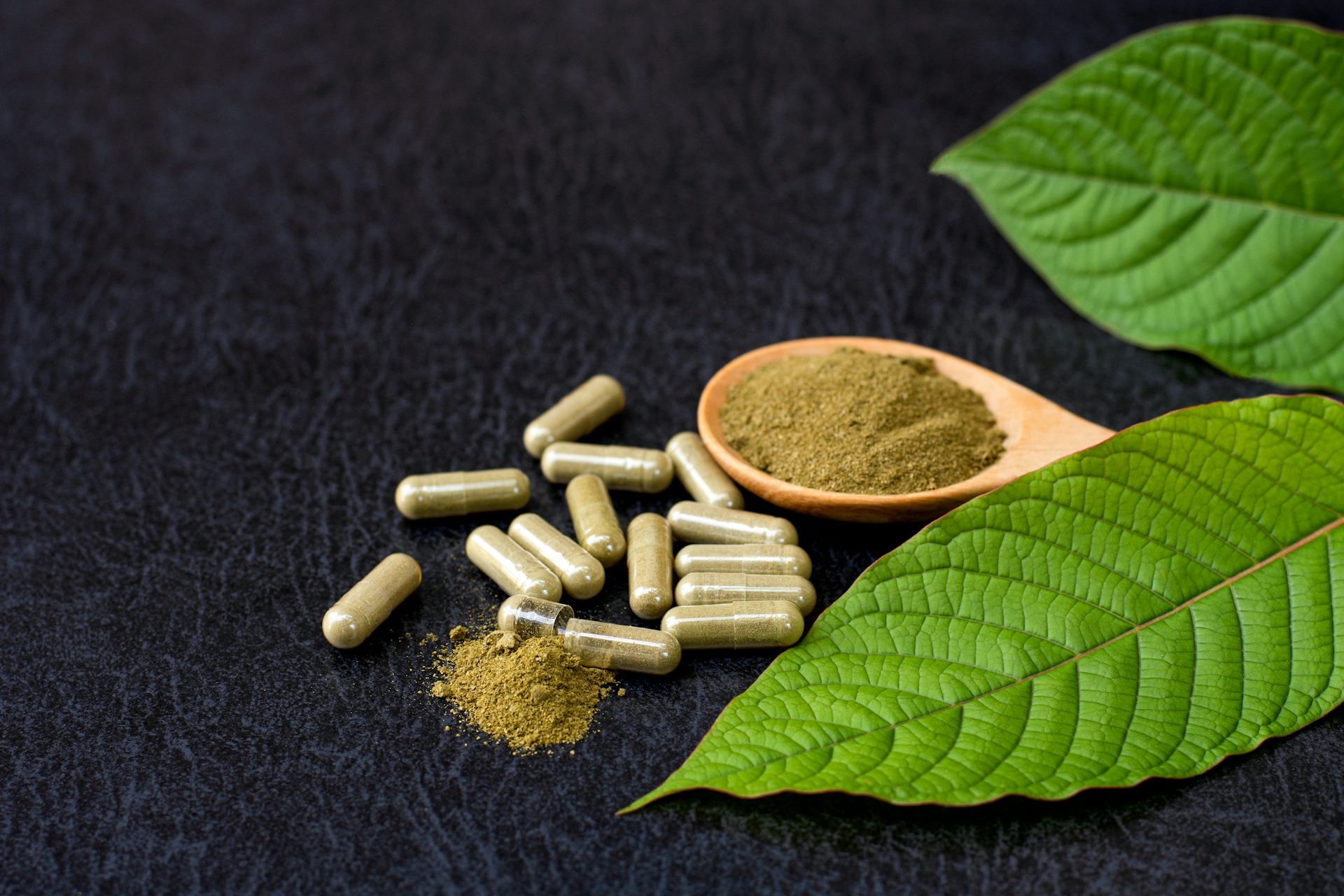


Proposals to ban or regulate kratom, a plant-based substance sold in gas stations, convenience stores and vape shops, are making headlines in local newspapers across the United States. But as lawmakers debate whether to regulate or ban kratom, public health problems associated with the drug continue to rise.
In late March 2026, the Centers for Disease Control and Prevention reported that hospitalizations and poisonings involving kratom have increased by more than 1,200% over the past decade.
At legislative hearings, families share tragic stories of lives cut short by kratom overdoses and addiction.
On the opposing side, lawmakers are also hearing from lobbyists representing the kratom industry and kratom users who insist that it is a safe, natural substance that boosts mood and energy, relieves pain and even helps people overcome opioid addiction.
As a physician who treats opioid addiction and studies the opioid crisis, I have followed this debate closely.
Scientific evidence shows that kratom carries real risks that are often downplayed or misunderstood. Kratom’s rising use over the past decade coincided with the opioid crisis, as people searched for alternatives to prescription opioids. Because kratom comes from a plant and is marketed as “natural,” many people wrongly assumed it was safe. That belief helped fuel its use. Today, about 1.7 million Americans report using kratom each year.
The U.S. Food and Drug Administration has warned consumers for more than a decade that kratom can cause serious problems, including liver disease, seizures, addiction and death.
According to the FDA, research and adverse event reports make clear that “compounds in kratom make it so it isn’t just a plant – it’s an opioid.”
Kratom comes from the plant Mitragyna speciosa, a tropical evergreen tree native to Southeast Asia.
People use kratom to experience the opioid effects, including pain relief and improved mood. But with daily use, tolerance to these effects results in a need for higher doses, and users experience withdrawal symptoms when they try to stop.
Kratom’s effects come from compounds in its leaves, including mitragynine and 7-hydroxymitragynine, often called 7OH. After kratom is consumed, some of the mitragynine is changed in the body into 7OH. This matters because mitragynine is a weak opioid, while 7OH is a much stronger opioid, which can increase the intensity of the opioid effects and lead to overdose. Both compounds bind to opioid receptors in the brain, which triggers chemical changes that, with regular use, can lead to dependence and withdrawal symptoms similar to those caused by oxycodone or heroin.
Some in the kratom industry argue that only newer products with boosted levels of 7OH are dangerous. But the evidence does not support that claim. Deaths linked to kratom were already rising before the newer 7OH products appeared on the market in late 2023.
Another claim often made in legislative hearings is that kratom can treat opioid addiction. The American Kratom Association, a lobby group that represents the kratom industry and its consumers has even promoted kratom as a solution to the opioid crisis. One of the group’s videos claims that kratom can eliminate opioid addiction altogether.
That incorrect claim is based on a partial truth. If someone in opioid withdrawal uses kratom, their withdrawal symptoms may temporarily improve. But the same effect occurs with any opioid. A person dependent on heroin can relieve withdrawal by taking oxycodone, and a person dependent on oxycodone can relieve withdrawal by taking heroin.
But relief of withdrawal symptoms does not make a drug a treatment for opioid use disorder; it simply shows that the drug is an opioid. Effective, evidence-based treatments already exist, including medications such as buprenorphine and methadone, which have been shown to reduce cravings, prevent withdrawal and lower the risk of overdose. These medications also allow patients to feel and function normally.
When it comes to kratom, the FDA has been clear: It is not approved for any medical use and should not be used to treat opioid addiction.
Using kratom exposes people to risks that are not well understood. Some research suggests its primary compound may cause dangerous heart problems, including sudden death. Kratom has also been found to contain high levels of lead, which can damage the brain and other organs. For women of childbearing age, kratom may pose a risk to the fetus if pregnancy occurs. And using kratom during pregnancy may lead to infants experiencing opioid withdrawal at birth.
Some advocates argue that keeping kratom available could help states reduce deaths from fentanyl and other opioids. But the available evidence does not support this idea.
If kratom were helping reduce fentanyl overdose deaths, states that banned kratom might be expected to have a higher rate of fentanyl deaths. That has not been the case. For example, Vermont, one of the first states to ban kratom, has not fared worse than other states. In fact, Vermont has seen one of the largest declines in opioid overdose deaths in the country.
Kratom supporters often point to personal stories from users who say it helps them. These experiences should not be dismissed, but personal stories are not the same as scientific evidence.
With opioids, cycles of withdrawal followed by relief when a dose is taken can make a drug seem helpful, even when it is causing harm. That is why controlled studies, which can reliably distinguish true benefits from the relief of withdrawal symptoms, would be needed to prove that kratom’s benefits outweigh its risks. But those studies have not been done.
For now, the evidence shows that kratom is an opioid with real risks – not a harmless supplement.
This article is republished from The Conversation, a nonprofit, independent news organization bringing you facts and trustworthy analysis to help you make sense of our complex world. It was written by: Andrew Kolodny, Brandeis University
Read more:
Balancing kratom’s potential benefits and risks − new legislation in Colorado seeks to minimize harm
Kratom: What science is discovering about the risks and benefits of a controversial herb
Nearly 2 million Americans are using kratom yearly, but it is banned in multiple states: A pharmacologist explains the controversy
Andrew Kolodny is president of Physicians for Responsible Opioid Prescribing, a nonprofit organization that advocates for more cautious use of prescription opioids and served as an expert witness on behalf of state and local governments in the national opioid litigation.










Comments