At-home drug disposal products can play an important role in keeping rural Coloradans safe
Published in Health & Fitness
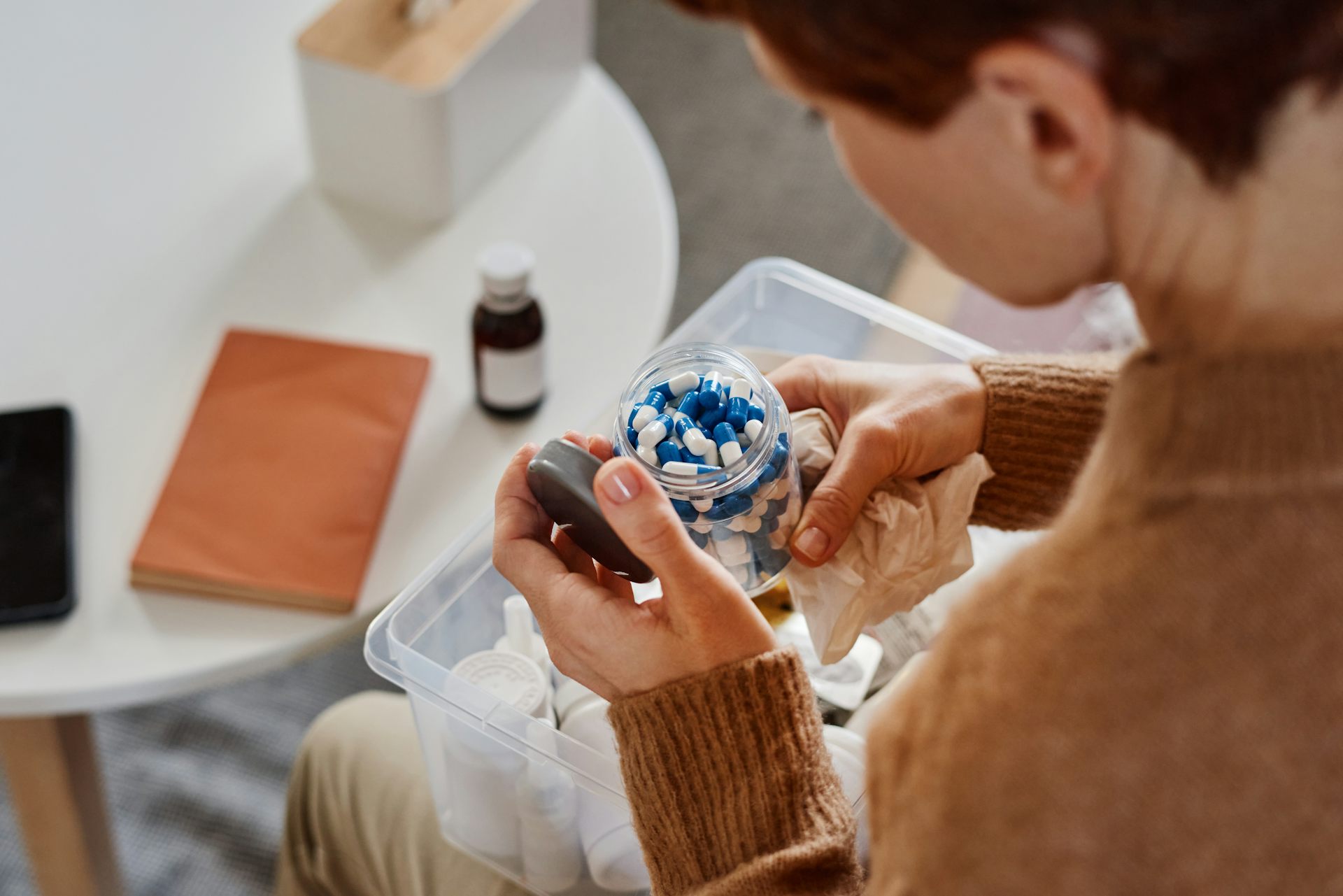
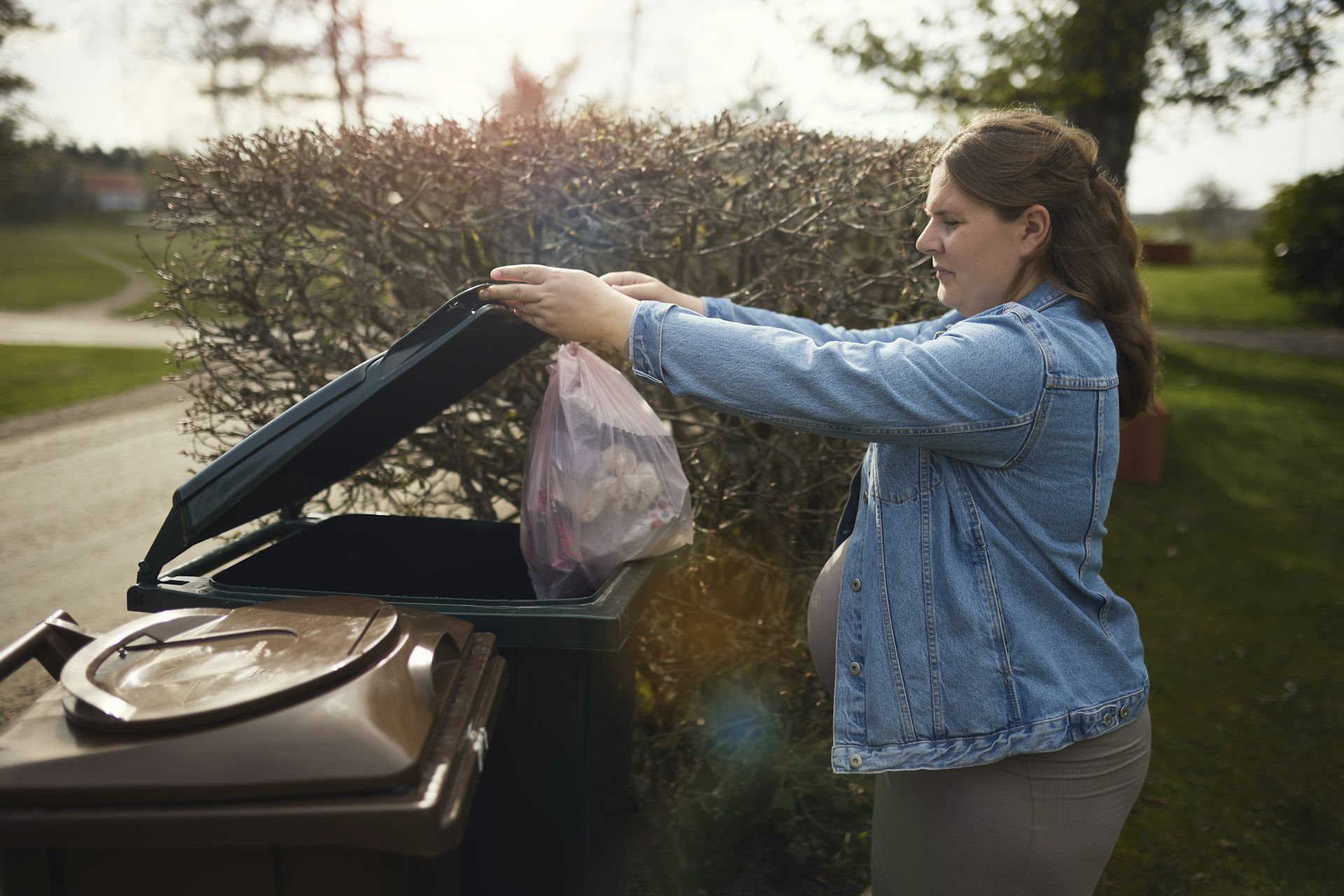


Some Coloradans have a drug problem: old prescription medications clogging their medicine cabinets.
Disposing of unused prescription and over-the-counter drugs is important to protect children and teens from accidental or unintentional exposure. Eliminating medications properly is also important to prevent contamination of vegetation, aquatic life and water supplies.
The Food and Drug Administration recommends disposing of drugs by dropping them off at a take-back location or by mailing them using a prepaid envelope that is delivered to a facility where the drugs are incinerated. These envelopes are available at some pharmacies and online.
In Colorado, the state-funded Medication and Sharps Takeback program has collected over 400,000 pounds – roughly 181 metric tons – of drugs since its inception in 2016. Medications can be dropped off at over 300 state-funded or independent drop-off sites across the state.
National take-back events in April and October each year are another way to properly dispose of medications. The drugs collected are incinerated and become irretrievable, helping keep the public and environment safe.
I am a professor of pharmacy with a focus on older adults and medication safety. For over a decade, I have co-chaired the Safe Disposal work group for the Colorado Consortium for Prescription Drug Abuse Prevention.
Although these national and statewide programs make an important difference, there are still gaps – especially for Coloradans who live in rural communities. Let’s look at the different options these consumers have:
The FDA recommends flushing some medications down the toilet.
This should be a last resort reserved for dangerous medications, like fentanyl patches, that need to be disposed of quickly to prevent them from accidentally coming into contact with other humans or pets.
Putting medications down a sink or toilet deposits them directly into wastewater, where they will likely not be filtered out.
Depositing medications into household trash also carries risks, like making them accessible to animals and other people. Drugs can leach into soil and ground water groundwater at the landfill.
At-home disposal products are a useful alternative, especially in rural areas where drug take-back programs are not readily accessible.
These products dissolve and degrade, bind up or neutralize medications so they can safely be thrown away. Disposal products come in a variety of different sizes and offer different features, so I worked with staff at University of Colorado Anschutz to test some of the popular brands to see how they worked.
The Pill Terminator is a one-time use bottle filled with a powder that turns into a gelatinous substance once medications and water are added. All pills need to be added at the same time.
We attempted adding around 30 pills to the bottle – much less than the stated 300 medium-sized pills that it could accommodate.
We observed several shortcomings. When warm water was used and the bottle was shaken, the powder was fully converted to gelatin and dissolved most of the pills. But there were still some intact pills remaining. When cold water was used, even extensive shaking did not completely dissolve the powder at the bottom of the container. Intact capsules also remained trapped within the gelatin, meaning some medications could still be identified and potentially retrieved.
The Deterra Drug Deactivation System is a biodegradable pouch that uses activated charcoal to adsorb medications after warm water is added.
According to the manufacturer, the system is designed to deactivate organic medications including opioids, most illicit drugs and vape fluid in different forms like pills, liquid and patches.
Deterra cannot adsorb biologic drugs, such as vaccines and injectable immunotherapies, nor can it adsorb inorganic medications, like iron, calcium, aluminum, magnesium and lithium. Leaf marijuana is also excluded.
Although the product label says to “gently shake,” we needed to shake the Deterra pouch more vigorously to effectively break down the medication. Most medications began to degrade relatively quickly, and the majority of pills were broken down by the water-charcoal mixture. Like with the Pill Terminator, the instruction to use warm water significantly improved the product’s performance compared with cold water.
Despite these favorable results, we observed some limitations: After several hours, extended-release capsule beads were still visible within the charcoal water, standard capsules were only partially degraded, and some sustained-release tablets remained intact.
The manufacturer states that the average time to deactivate 89% of the medication is eight hours; two days for 96%; and two weeks for 99%-100%. The pouch is not designed to be reopened, so after our initial testing, we were unable to verify these claims.
The NarcX+ disposal system is a biodegradable liquid in a plastic bottle, which can be opened and used multiple times until the bottle is full. It is the only product marketed for at-home disposal of illicit and controlled substances such as fentanyl, cocaine, heroin and cannabis, in addition to prescription and over-the-counter medications.
Initial observations after several minutes showed limited medication breakdown. However, substantial changes occurred with longer exposure. The manufacturer of NarcX+ states that medications become irretrievable in less than two hours, and consuming any of the NarcX+ liquid will cause vomiting.
We filled the NarcX+ bottle almost three-quarters full, and after four hours almost all of the pills were dissolved. At five days, the liquid in the bottle looked virtually the same, with several white sustained-release tablets still floating at the top of the liquid. After a week, they finally disappeared in the dark liquid.
NarcX+ required a little more time than the other products for the tablets to be fully destroyed, but it proved to be effective at destroying a large number of pills – more than the recommended capacity. It is uniquely designed so you can reopen the bottle to continue adding medications to the fill line. NarcX+ is validated for the widest spectrum of medications.
Read more of our stories about Colorado.
This article is republished from The Conversation, a nonprofit, independent news organization bringing you facts and trustworthy analysis to help you make sense of our complex world. It was written by: Sunny Linnebur, University of Colorado Anschutz
Read more:
Colorado was the first state to cap a drug’s price – then a federal court stepped in
Prescription drugs’ fine print is important – a toxicologist explains how to decode package inserts to take medications safely and increase their effectiveness
Iron nanoparticles can help treat contaminated water – our team of scientists created them out of expired supplements
For the past 13 years, Sunny Linnebur has served as the Co-Chair of the Safe Disposal Workgroup of the Colorado Consortium for Prescription Drug Abuse Prevention.










Comments