Ketamine’s role in alleged Cornell rape highlights flood of psychoactive drugs on campus
Published in Health & Fitness
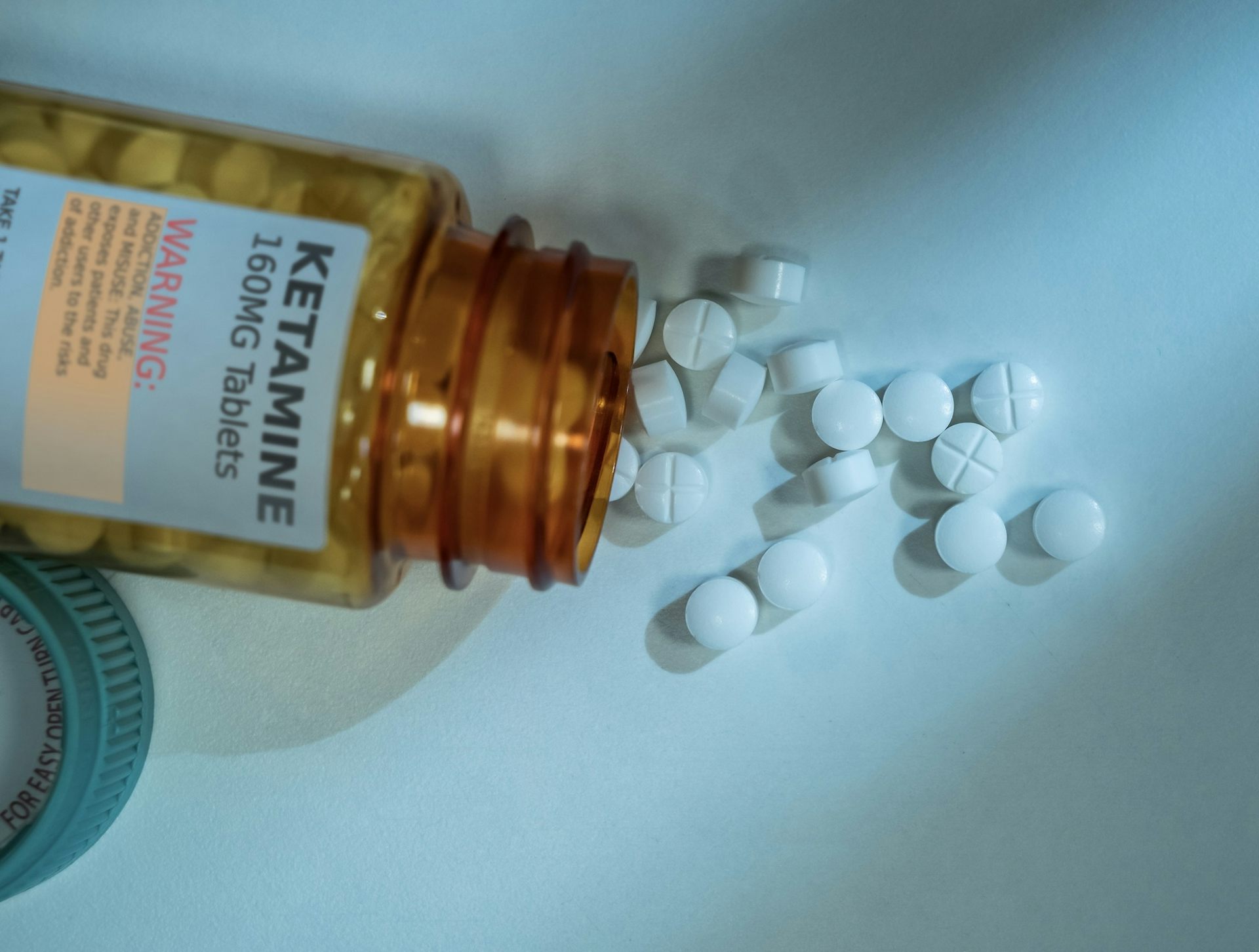


Former Cornell student Jane Doe, who filed a civil lawsuit in September 2026 alleging that seven fraternity members raped her at a party, said the young men who assaulted her pressured her into taking the drug ketamine.
As an emergency room physician, medical toxicologist and the head of student health services at the University of Virginia, I have had a front-row seat to the growing danger that psychoactive substances such as ketamine present to the health and safety of university students.
Ketamine and its emerging spin-off versions are part of a wave of new and evolving designer drugs entering the United States and other countries. How widely these substances are used remains unknown, since most hospitals are unable to detect them on standard urine drug screens. But ketamine and other drugs are being increasingly reported as agents used in sexual assault – either when people take these drugs voluntarily, are pressured to take them or are given them covertly.
The increasing prevalence of ketamine and other drugs – and their use in sexual assault – is playing out on college campuses across the U.S. and putting students at risk.
Ketamine is a synthetic chemical that was first synthesized in 1962. The U.S. Food and Drug Administration approved it as a general anesthetic for people and animals in 1970, and doctors and veterinarians used it for decades to induce anesthesia during surgeries and to relieve pain.
People have used ketamine recreationally since the 1970s. Getting high on it became more popular in the U.S. in the 1980s, when it was called “Special K.” It was frequently found in the club drug scenes and was associated with raves into the 1990s. Today, ketamine is sold on the street under a variety of slang names, such as K, Ket, and Vitamin K.
In 2019, the FDA approved a nasal spray version of ketamine, called esketamine, to treat depression that does not respond to other treatments. That drug’s use is tightly regulated, but clinicians are increasingly prescribing ketamine “off-label” for a variety of psychiatric conditions, including post-traumatic stress disorder.
Cases of poisoning caused by ketamine in the U.S. doubled between 2019 and 2023, according to an analysis of calls to poison control centers nationwide, and are now the highest they’ve ever been. This surge is in part due to the more widespread medical use of ketamine, which makes accessing it much easier. But street versions of the drug are also prevalent as chemists in basement laboratories create novel ketamine analogs.
Ketamine’s effects vary depending on the dose and the person. It can cause someone to dissociate, creating an altered state of consciousness, changing what’s perceived through the senses and causing a sense of detachment from one’s self and one’s surroundings. The drug can also cause coma at high doses.
Someone who orally consumes ketamine would typically begin to feel its effects within 20 minutes. If they inhale or inject it, the effects are almost immediate. The primary effects generally wear off in less than an hour, but a person’s senses may remain dulled and their judgment and coordination impaired for several hours afterward.
Ketamine can cause a slew of other side effects, including delirium, amnesia, increased salivation, abnormal eye movements, high blood pressure and potentially fatal breathing problems. Alcohol and other drugs can interact with ketamine to worsen these effects significantly.
Ketamine is generally sold illegally as either a colorless, odorless liquid or a white or off-white powder. Either form can be easily and covertly placed into an unsuspecting person’s beverage or food. Ketamine can be snorted, and it can be smoked or vaped on products such as marijuana.
Research is extremely spotty on how often a perpetrator of rape or sexual assault uses a chemical agent – whether ketamine, alcohol or another substance – to alter a victim’s senses. Research suggests that most often both parties use mind-altering substances voluntarily, although the effects of these substances can alter a person’s ability to grant consent.
Even so, there are numerous reports of perpetrators spiking a victim’s drink or otherwise slipping a drug to them without their knowledge. According to one study, 4.2% of rape victims were drugged covertly, though how often this actually happens is undoubtedly underreported.
That’s because it’s very hard to detect drugs taken this way. Most of the substances used to facilitate sexual assaults are rapidly absorbed and metabolized by the body, rendering them difficult to detect in routine urine and blood drug screenings. Another issue is that many days may have elapsed between the victim ingesting the drugs and their subsequent treatment at a medical facility.
Victims of rape or sexual assault are often reluctant to report incidents because of a sense of embarrassment, guilt or perceived responsibility, or because they may know their attacker. Some may not trust that their institution or local law enforcement will support them.
In my experience, the involvement of ketamine or other drugs invariably makes a bad situation worse – complicating consent, impairing judgment and reducing inhibitions. Ketamine causes confusion and drowsiness, and its sedative, hypnotic and memory-erasing properties can diminish a survivor’s recollection of events surrounding the sexual assault.
The availability of these drugs in the U.S., including on college campuses, has risen sharply – particularly since the early 2010s, as a slew of new substances have emerged and international drug control efforts have not kept up. Without more active education and prevention efforts, as well as better detection methods for these drugs, students will continue to pay the price.
This article is republished from The Conversation, a nonprofit, independent news organization bringing you facts and trustworthy analysis to help you make sense of our complex world. It was written by: Christopher P. Holstege, University of Virginia
Read more:
In Colorado and elsewhere, sexual assault peaks on campuses at the beginning of the school year – here’s what students should know
Dozens of men failed to stop an alleged gang rape at Cornell – here’s the misperception that keeps bystanders from intervening and how to short‑circuit it
Philly hospitals test new strategy for ‘tranq dope’ withdrawal – and it keeps patients from walking out before their treatment is done
Christopher P. Holstege does not work for, consult, own shares in or receive funding from any company or organization that would benefit from this article, and has disclosed no relevant affiliations beyond their academic appointment.










Comments