When should I get my COVID shot? 'Viruses are more active' in California
Published in Health & Fitness
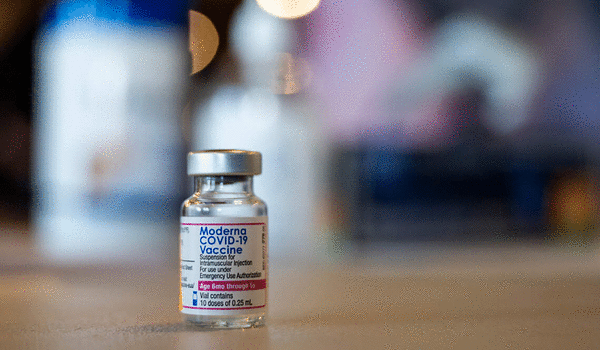
SACRAMENTO, Calif. — Fall is in full swing across California, bringing cooler weather and the start of another respiratory virus season.
Although respiratory viruses circulate year-round, many become more active during the fall and winter months.
“Many respiratory viruses, including flu, (respiratory syncytial virus) and COVID-19 circulate year-round in the United States,” the California Department of Public Health said. “Some viruses are more active from October through March, such as the flu and RSV among many others.”
Staying up to date on COVID-19 vaccination can help reduce the risk of severe illness, hospitalization and death, according to the federal Centers for Disease Control and Prevention.
More than 1.2 million people in the United States have died from COVID-19.
Here’s a look at COVID-19 activity in California, common symptoms, how the virus spreads and ways to protect yourself:
When does COVID-19 activity peak in California?
COVID-19 activity can rise at different times of the year.
Unlike some respiratory viruses that follow a more predictable seasonal pattern, COVID-19 waves have occurred during both summer and winter, according to the CDC.
California’s 2026-27 respiratory virus season began July 5 and runs through July 3, 2027, according to the California Department of Public Health.
As of Tuesday, Oct. 27, over COVID-19 activity in California was “low,” the California Department of Public Health said.
Test positivity was also “low” statewide, although activity varied by region.
Coronavirus activity in Northern California was classified as “high,” while the Central Valley was at a “moderate” level.
Hospital admissions for COVID-19 remained “very low statewide,” as of Tuesday. While wastewater concentrations were “low” overall, there were higher levels detected in Northern California.
How does COVID-19 spread?
According to the CDC, COVID-19 spreads primarily through respiratory particles released when an infected person breathes, talks, coughs or sneezes.
“Other people can breathe in these droplets and particles, or these droplets and particles can land on others’ eyes, nose, or mouth,” the CDC said. “In some circumstances, these droplets may contaminate the surfaces they touch.”
People with COVID-19 can spread the virus before they realize they’re sick.
“Anyone infected with COVID-19 can spread it, even if they do NOT have symptoms,” the CDC said.
How can I tell if I have COVID-19?
COVID-19 symptoms can vary from mild to severe and may resemble those of other respiratory illnesses, including influenza.
Possible COVID-19 symptoms include: fever or chills; cough; shortness of breath or difficulty breathing; tiredness; muscle, head or body aches; new loss of taste or smell; sore throat; congestion or runny nose; nausea or vomiting; diarrhea.
“Symptoms may appear two to 14 days after exposure to the virus,” the CDC said.
The CDC said you can use over-the-counter COVID-19 home tests to help figure out which illness you have.
“You cannot tell the difference between flu and COVID-19 by symptoms alone because some of the symptoms are the same,” the CDC said.
How can I prevent getting COVID-19?
The CDC recommends several “core prevention strategies” to reduce the spread of COVID-19 and other respiratory viruses.
This includes avoiding close contact with people who are sick; covering your coughs and sneezes; washing your hands frequently with soap and water; and avoiding touching your eyes, nose and mouth.
Staying up to date on COVID-19 vaccination is another way to reduce the risk of severe illness.
“People who are up to date with their COVID-19 vaccine have lower risk of severe illness,” the CDC said.
When should I get my COVID-19 vaccine in California?
Updated COVID-19 vaccines for the 2026-27 season are available, The Sacramento Bee previously reported.
October is often considered a good time to get vaccinated ahead of the winter respiratory virus season, according to the Association of American Medical Colleges.
“The earlier, the better,” said James D. Campbell, interim division head of Pediatric Infectious Disease and Tropical Pediatrics at the University of Maryland School of Medicine and chair of the American Academy of Pediatrics’ Committee on Infectious Diseases.
Recommendations for the 2026-27 COVID-19 vaccine vary by age and health status.
The CDC guidance says vaccination is recommended for adults 18 and older, as well as children ages 6 months through 17 years who are moderately to severely immunocompromised.
For other children in that age group, vaccination is recommended through shared clinical decision-making between families and health care providers.
“A good rule of thumb is for everyone to get vaccinated before Halloween, which is prior to the really heavy season,” Campbell said.
However, missing that window does not mean it is too late.
Vaccination can still provide protection later in the season, including into March or April, according to the association.
Can I get my COVID-19 vaccine at the same time as RSV and flu shot?
As respiratory viruses become more active in California, doctors say new vaccines are available to help protect against viral illnesses, including COVID-19, influenza and respiratory syncytial virus.
Health officials said it’s safe to get the RSV, flu and COVID-19 vaccines at the same time.
____
©2026 The Sacramento Bee. Visit at sacbee.com. Distributed by Tribune Content Agency, LLC.








Comments