Environmental Nutrition: Pumpkin power
Published in Health & Fitness
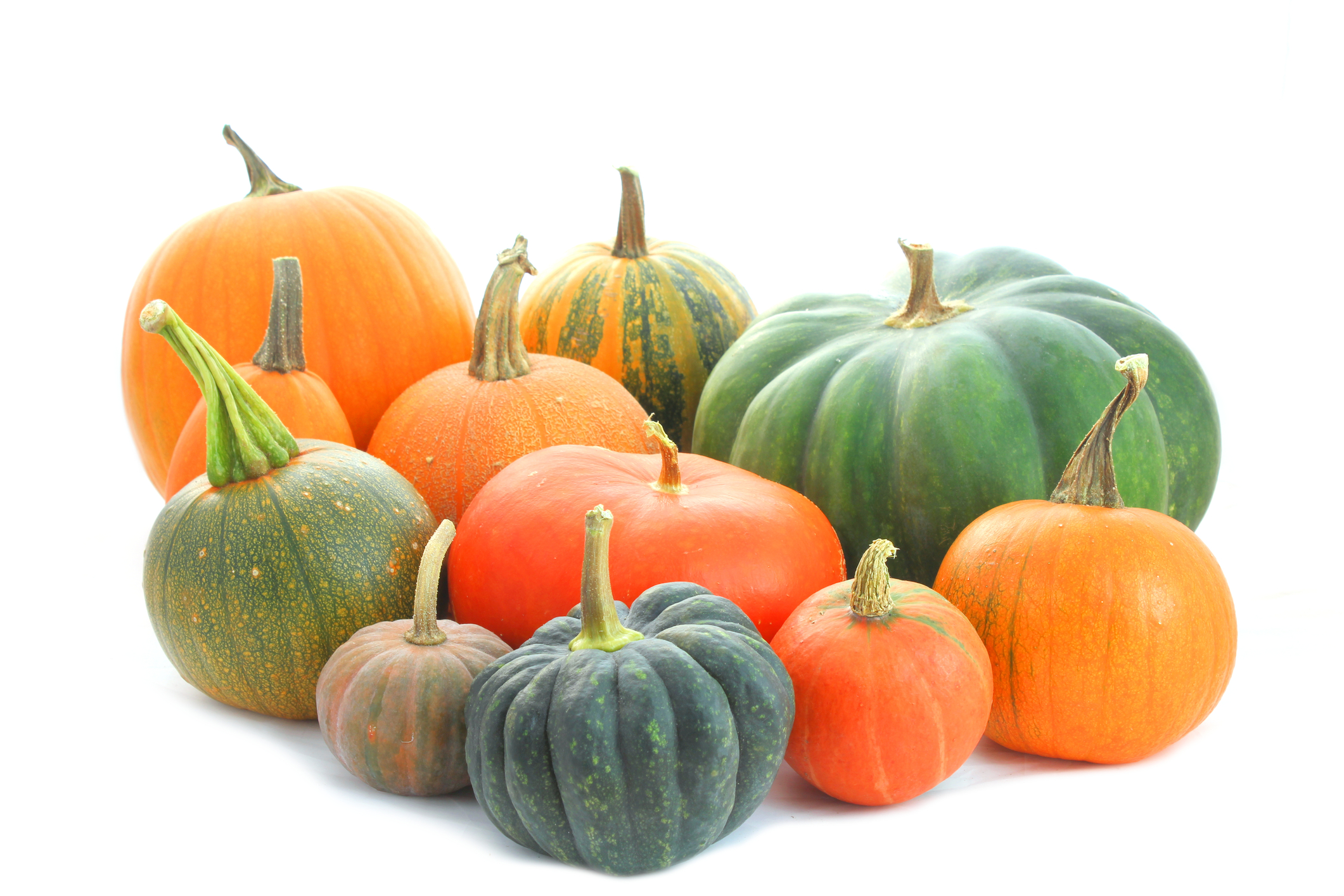
Pumpkin is a nutrient-rich and delicious vegetable to enjoy this season and all year long.
The folklore
Pumpkins are a beloved symbol of autumn: bright orange spheres lazing in pumpkin patches, decoratively adorning porches and tablescapes, carved into jack-o-lanterns, and savored in Thanksgiving pumpkin pie. A Mexico native, pumpkin was grown as far back as 9,500 years ago by indigenous cultures. Native Americans introduced it to the colonists who embraced the pumpkin as a staple food ingredient.
The facts
Pumpkins are a variety of winter squash, and part of the Cucurbita family of plants that includes gourds, watermelons, honeydew melons, and cucumbers. There are many pumpkin varieties that range from tiny to very large in myriad shapes, colors, textures and flavors beyond the more familiar orange carving pumpkins. A single one-cup serving of cooked pump- kin provides nearly 90% DV (DV=Daily Value, based on 2,000 calories/day) of vitamin A and more than 10% DV of dietary fiber, vitamin C, and potassium, as well as many plant compounds with health protective properties.
The findings
The plant compounds, or phytochemicals, in pumpkin are many and have been shown to exhibit antioxidant, anti-inflammatory, anti-cancer, anti-diabetic, and antimicrobial properties that research suggests could reduce risk of chronic diseases (Foods, 2024). Pumpkin seeds are also a good source of proteins and essential fatty acids. Studies have shown that the antioxidant compounds in pumpkin seeds have been linked to lower risk of neurodegenerative diseases such as Alzheimer’s. Pumpkin is also high in beta-carotene, a precursor to vitamin A, lutein, and zea- xanthin, which research suggests may help reduce progression of age-related macular degeneration and cataracts (Molecules, 2023).
The finer points
In season September through November, fresh pumpkins are widely available in markets and farmers markets for both decorative and culinary uses. Canned pumpkin is a good year-round substitute. Choose very firm pumpkins that are free of skin blemishes and punctures with a sturdy green stem. Canned and fresh pumpkin are naturals in traditional comfort foods whether pureed into soups, roasted, stuffed or baked into pie, pumpkin bread and other baked goods.
(Reprinted with permission from Environmental Nutrition, a monthly publication of Belvoir Media Group, LLC. 800-829-5384. www.EnvironmentalNutrition.com.)
©2026 Belvoir Media Group. Distributed by Tribune Content Agency, LLC.









Comments