Information is a battlefield: 4 questions you can ask to judge the reliability of news reports and social posts about the US-Iran war
Published in Political News
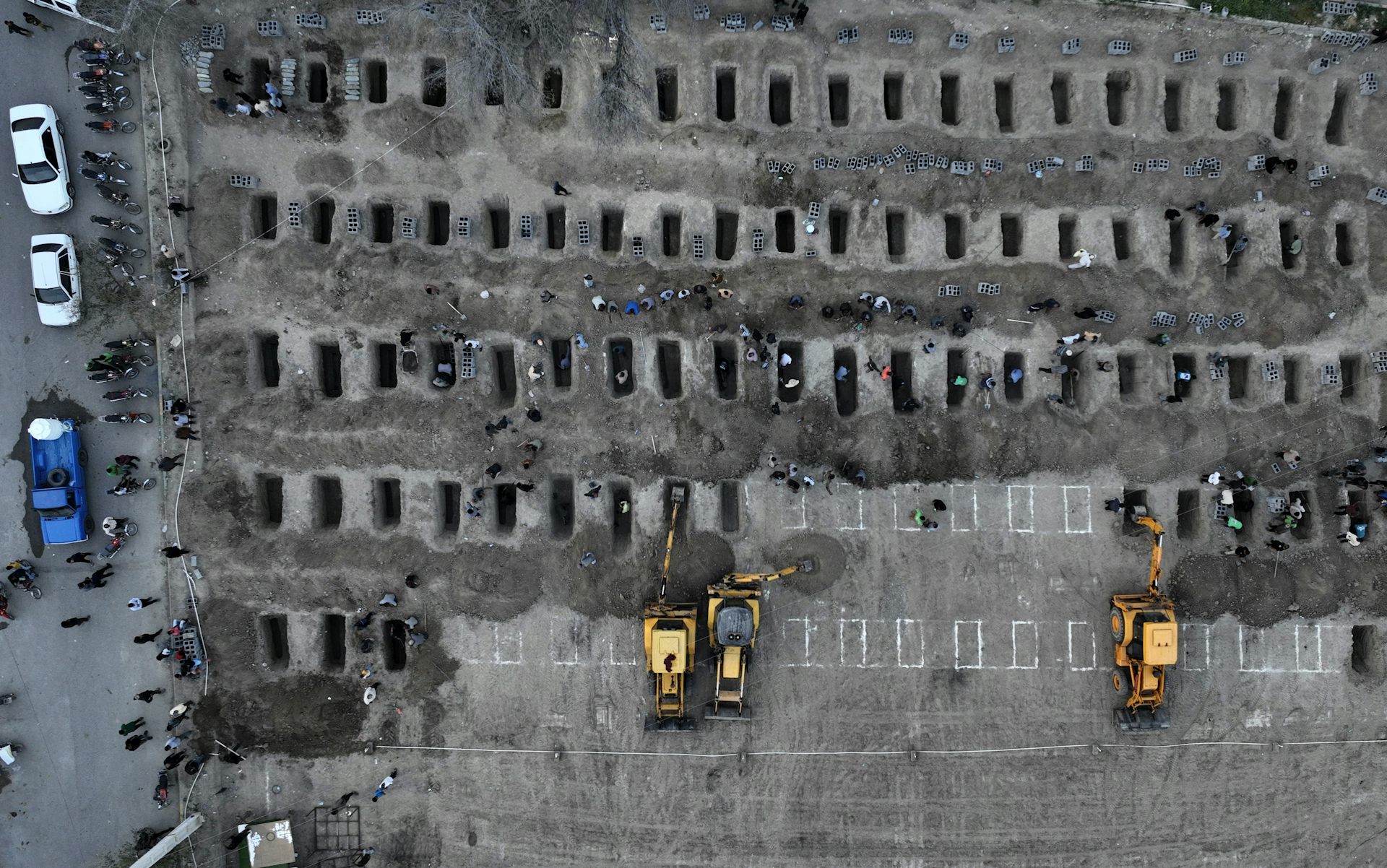
Historically, when the U.S. has undertaken military action against foreign governments, journalists have relied heavily on government sources and rallied “’round the flag,” often uncritically sharing official narratives about U.S involvement. This has been evident during periods of U.S. military engagements in Vietnam, Iraq and Afghanistan.
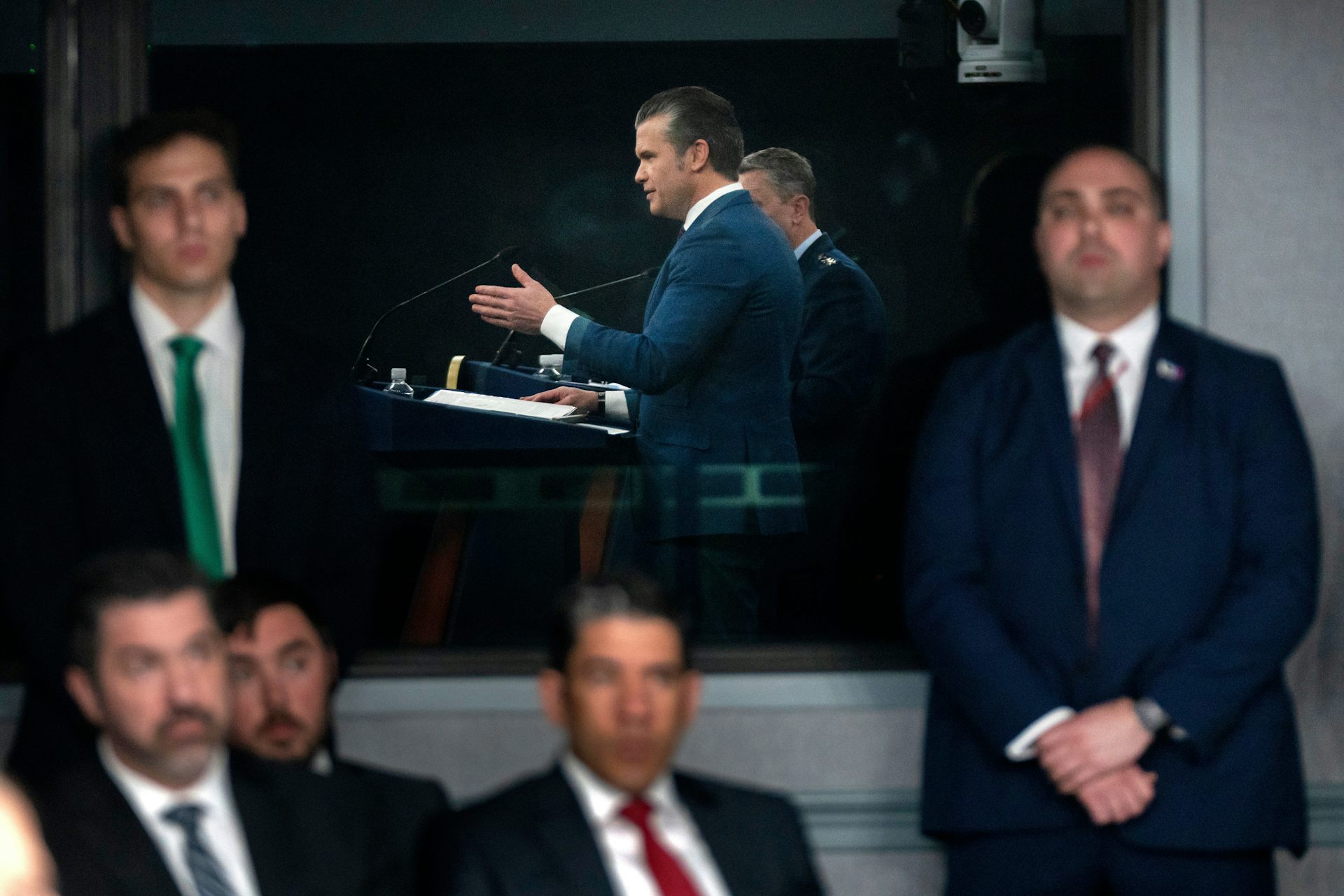
Recently, however, the Pentagon has restricted access for legacy news organizations. And on March 14, 2026, Brendan Carr, chairman of the Federal Communications Commission, replied to a social media post from President Donald Trump complaining about reporting on U.S. involvement in Iran. Carr threatened to deny license renewals to broadcasters not operating in the “public interest.”
“The People of our Country understand what is happening far better than the Fake News Media!” Trump asserted in his original Truth Social post.
This hostile relationship between journalists and a presidential administration is only part of the story about what is or isn’t happening on the ground in Iran and the Middle East.
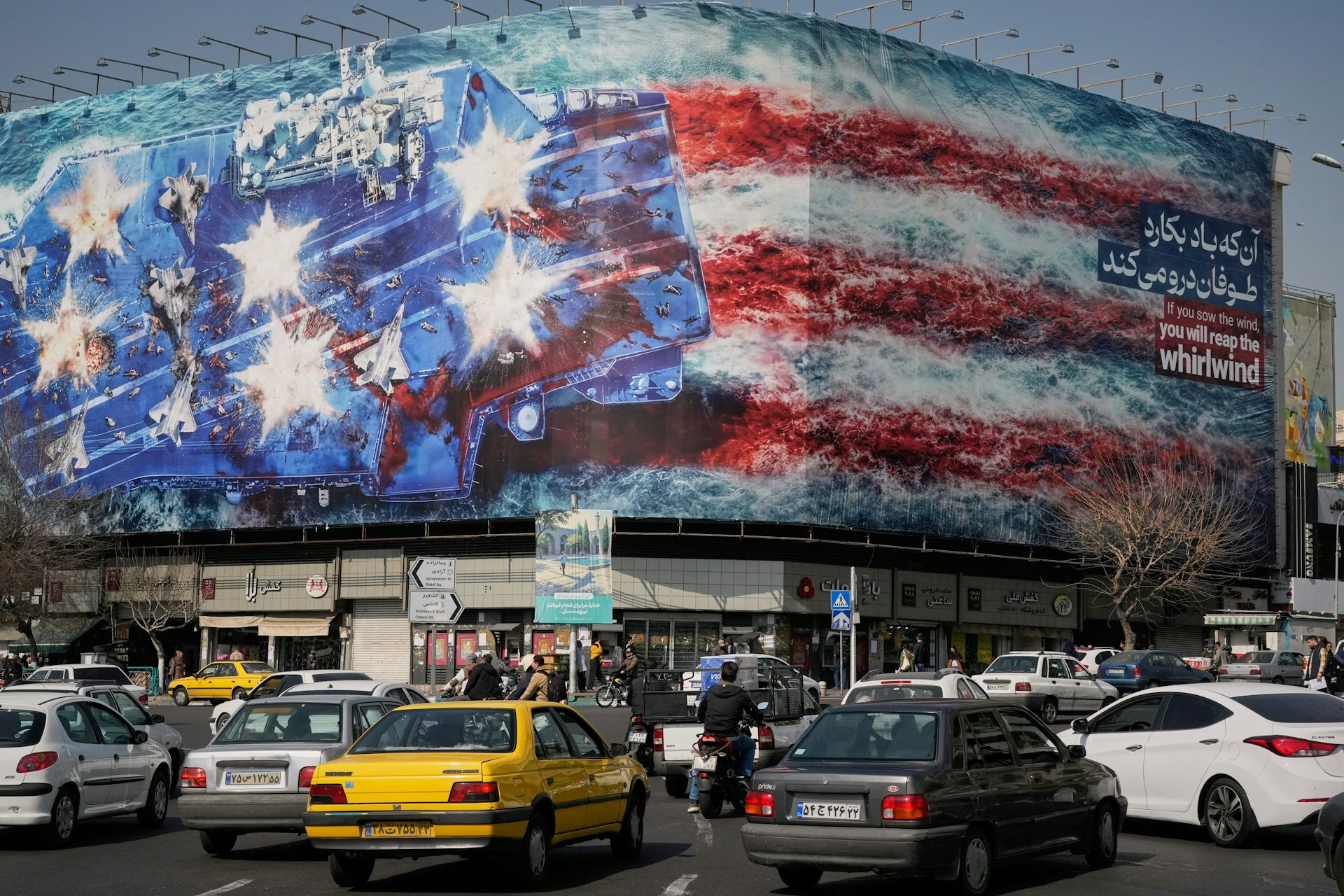
In times of conflict, information about military activity can be seen as another domain of conflict, much like air, land and sea. Countries, including Iran, have long tried to manipulate information to persuade or influence what people think outside the region.
A preprint, not yet peer-reviewed study authored by academics affiliated with the U.S. Air Force and the U.S. Air Force Academy describes increased government funding and attention to “cognitive warfare,” or efforts to influence what people think through strategic messaging.
A common call to action from advocacy and educational groups in politicized situations where misinformation weighs heavy is to teach media literacy. Conventional wisdom holds that if people only knew how to read the news and look for bias, they would understand a situation more clearly.
As a journalism scholar and educator, I agree that media literacy is valuable. But it’s also time-consuming. It’s impractical to complete a full training or curriculum when faced with immediate current events. As an abbreviated measure to assess the current Middle East conflict, readers can start with the premise that information is contested and an extension of the battlefield.
This assumption reframes news not as something that finds a reader by chance, but as something someone wants a reader to see. It primes readers’ critical thinking.
Then readers can consider some key questions:
Why does the author of this information want me to see this?
The obvious answer is that they think it’s important, but what are they focused on? Military progress? One actor in the conflict? Civilian responses? Public opinion? Diplomacy? Asking these questions helps assess what is left out and helps readers resist the temptation to extrapolate details they can’t know from a single news story.
What information does this person or organization have access to?
Because Iran is inaccessible to many journalists, readers must be especially careful about reporting purporting to know or show what is going on inside Iran. For sure, information is coming out via citizen reports and social media, but it is hard to verify and interpret.
Relatedly, and especially when consuming content from social media, readers can ask:
What about an author’s personal experience may inform their interpretation of events?
Media produced for and by diasporas – people displaced from their country of origin by choice or force – is a good source for contextualized and expert information about conflicts in their country of origin. But diasporas can also be deeply political and strategic in what they share. As a general consumer, readers don’t need to get to the bottom of the veracity of the information they share. Readers can simply be aware of disaporas’ positions so they can factor this into their interpretation and understanding of the conflict.
What do different people or organizations have to gain or lose by people widely seeing specific information?
If information is a battlefield, actors will make strategic choices in what they will share with the public. Sometimes they will shield information from the public or deny information. However, undesirable and unflattering information occasionally gets out and circulated, as was the case when a missile struck an Iranian elementary school.
Politicians will want to show they are winning. Journalists may want to show they are being a watchdog on the government. Readers can consider the goals of both the authors and the sources they cite when trying to orient themselves around the information they share.
Beyond media literacy, there are several potential short cuts to finding accurate information about immediate events in Iran.
First, readers can look for opinions and commentary from established experts on the Middle East, Iran, oil, the military and other related fields. Too many readers claim expertise after reading a few popular articles or listening to a podcast.
Instead, they can look for people who have been observing and researching the region for years – people whose work has been already validated by peer review. As a starting place, readers can look for subject matter experts on the social network LinkedIn or search for research on Google Scholar. Readers can also see whether authors of older popular books are writing about contemporary events on websites or blogs.
Think tanks that produce research reports may also be helpful, but sometimes think tanks with neutral-sounding names are politically affiliated. A close read of the “About Us” page and perusing the list of funders can offer some helpful clues.
Finally, perhaps the most efficient way to evaluate what is happening in Iran is to follow fact-checking and open-source reporting organizations. These groups often do a better job showing their assessment work and linking to evidence than do traditional news outlets, which focus on narrative structure and a cohesive final product.
Poynter, a nonprofit journalism institute, recently detailed the work of Factnameh, run by an Iranian fact-checker in exile. Bellingcat and Indicator are two excellent open-source reporting organizations that use public data to investigate whether actual events match circulating narratives.
And sometimes traditional news organizations do similar types of investigations, such as this example of The Associated Press debunking video misinformation in Iran.
The transparent methods of fact-checking and open-source sites can also serve as interactive exercises in media literacy. Both Bellingcat and Indicator regularly showcase information validation tools that readers can use.
Regardless of how much effort readers choose to spend on evaluating the accuracy of reporting on Iran, none of us are watching the battle from the sidelines.
This article is republished from The Conversation, a nonprofit, independent news organization bringing you facts and trustworthy analysis to help you make sense of our complex world. It was written by: Andrea Hickerson, University of Mississippi
Read more:
Iran’s nuclear materials and equipment remain a danger in an active war zone
Going nuclear? Why a growing number of Washington’s allies are eyeing an alternative to US umbrella
In war‑torn Iran, air pollution from burning oil depots and bombed buildings unleashes invisible health threats
Andrea Hickerson does not work for, consult, own shares in or receive funding from any company or organization that would benefit from this article, and has disclosed no relevant affiliations beyond their academic appointment.



























Comments