Michigan Senate votes to cap interest, late fees on medical debt
Published in News & Features
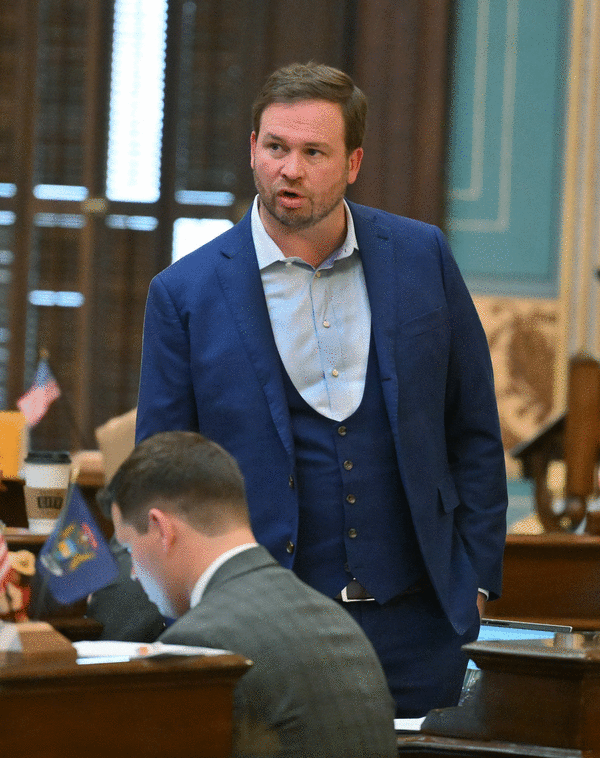
LANSING, Mich. — The Michigan Senate voted overwhelmingly Wednesday in favor of bills that would cap late fees and interest that can be charged on medical debt and would require hospitals to develop financial assistance programs.
The measures now go to the state House for consideration. They were part of a bipartisan bid to combat rising health care costs. Sens. Sarah Anthony, D-Lansing, and Jonathan Lindsey, R-Allen, championed the package, which would also limit how consumer reporting agencies can use information on someone's medical debt.
"This was a good day where we came together and passed some legislation on a big topic," Lindsey said.
Among the five bills the Democratic-led Senate approved was one, sponsored by Anthony, that would bar large health care facilities or someone who purchases medical debt from charging interest or late fees on medical debt exceeding 3% per year.
That proposal passed in a vote of 35-0.
Another bill would create the "Hospital Financial Assistance Act," requiring hospitals to have programs in place that provide discounts based on a sliding scale for uninsured, poor patients.
It passed in a vote of 33-2. The no votes came from Sens. Thomas Albert, R-Lowell, and Joe Bellino, R-Monroe.
Asked about the medical debt bills, Elise Gonzales, director of communications for the Michigan Health & Hospital Association, said the organization is monitoring this legislation and remains "engaged with lawmakers on opportunities to positively impact healthcare affordability."
"Ensuring patients have access to high-quality hospital care in their communities is deeply important to Michigan hospitals, and we look forward to continued collaboration with all stakeholders to find solutions that preserve vital services close to home," Gonzales said.
Michigan House Speaker Matt Hall, R-Richland, has said he wants to take on the issue of rising health care costs.
"I like this issue, but ... it's incomplete," Hall said, voicing support for a separate plan to institute new price transparency requirements for hospitals.
Anthony told reporters Michigan was behind the curve when it came to capping interest on medical debt, which other states have already done.
"We've just heard from a lot of people across the state that, honestly, they're just saddled with medical debt," Anthony said.
A 2022 national survey from 41% of adults currently have some debt caused by medical or dental bills.
Leah Ciolek of Lansing testified in support of the bills during a committee hearing in January. Ciolek said after giving birth, she was left with medical debt that followed her for years.
"These bills recognize that medical debt is different from consumer debt," Ciolek said. "It's unavoidable. It's unpredictable and tied to essential care."
------------
©2026 www.detroitnews.com. Visit at detroitnews.com. Distributed by Tribune Content Agency, LLC.






Comments