Eating Well: 7 anti-inflammatory foods to stock up on in January
Published in Health & Fitness
After a few weeks of holiday eating and social gatherings, you may be ready to get back to your normal routine. Cookies, processed foods, and extra cocktails are a delicious way to enjoy the season. Unfortunately, they are also foods that can increase inflammation when consumed regularly. While a few extra Christmas cookies aren’t going to completely derail your health goals, focusing on ways to keep inflammation in check can set you up to thrive in the new year. Here are some anti-inflammatory foods dietitians recommend stocking up on this month.
1. Canned tomatoes
One of the downsides of winter is that some fresh produce is no longer in season, so stocking up on their canned and frozen counterparts can be a lifesaver. One of those foods is tomatoes. “Canned tomatoes are a versatile, anti-inflammatory ingredient to stock up on in January,” says Rachelle Mallik, MA, RDN.
2. Macadamia nuts
If you are looking to restock your pantry with some healthier snacks for the new year, stock up on nuts. “Macadamia nuts have a high content of monounsaturated fats, primarily oleic acid, which is known for its anti-inflammatory properties. Additionally, macadamia nuts are a source of antioxidants that combat oxidative stress and may help reduce inflammation,” shares Lauren Manaker, MS, RDN, LD.
3. Quinoa
January is a great time to start adding more whole grains to your diet. They’re loaded with fiber and provide a number of essential nutrients like B vitamins and magnesium. Plus, whole-grain consumption is linked with plenty of health benefits like better cholesterol levels and a lower risk of heart disease. While any whole grain is a worthy pick, we recommend quinoa.
4. Salmon
Most of us don’t regularly consume enough fish, so we might be missing the mark on getting enough omega-3 fatty acids. Fatty fish like tuna, salmon, anchovies, and mackerel are all good sources of omega-3s, which are helpful for lowering inflammation and support heart health.
5. Green tea
After eating better or exercising, drinking more water is another healthy habit that is a popular resolution for the new year. While drinking water is great, there are other beverages that can help you stay hydrated while offering additional benefits. Qianzhi Jiang, PhD, RDN, LDN, recommends sipping on more green tea this January. “The consumption of green tea has been linked to reduced markers of inflammation in clinical trials,” she says.
6. Frozen berries
Speaking of berries, these are another anti-inflammatory superstar that unfortunately isn’t in season right now. Luckily, frozen berries offer the same nutrients as fresh, so you can still score the same anti-inflammatory benefits. Berries get their color from water-soluble pigments called anthocyanins, which can tamp down inflammation; that’s part of the reason why berries are associated with lower chronic disease risk.
7. Pomegranate
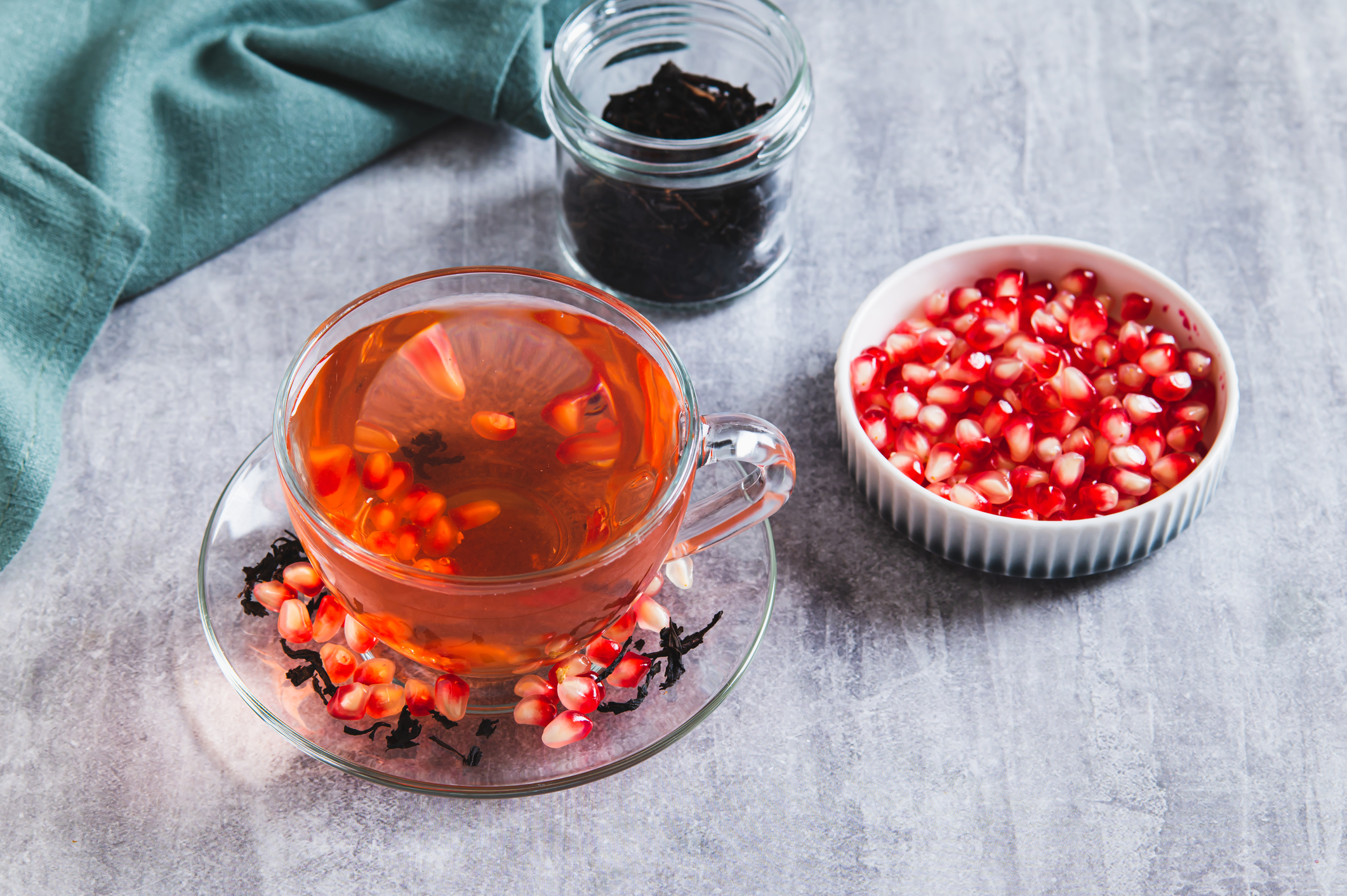
While other fruits may no longer be in season, January is the perfect time to stock up on fresh pomegranates, according to Mallik. “This nutritious fruit can last up to two months in the fridge and is rich in antioxidants and anti-inflammatory compounds.” In addition, pomegranates are a good source of fiber, which not only prevents constipation but also supports a healthier gut microbiome — and better gut health is associated with lower levels of inflammation.
(EatingWell is a magazine and website devoted to healthy eating as a way of life. Online at www.eatingwell.com.)
©2026 Dotdash Meredith. All rights reserved. Used with permission. Distributed by Tribune Content Agency, LLC.









Comments