Easy ways to fit heart-healthy avocados into your meals
Published in Health & Fitness
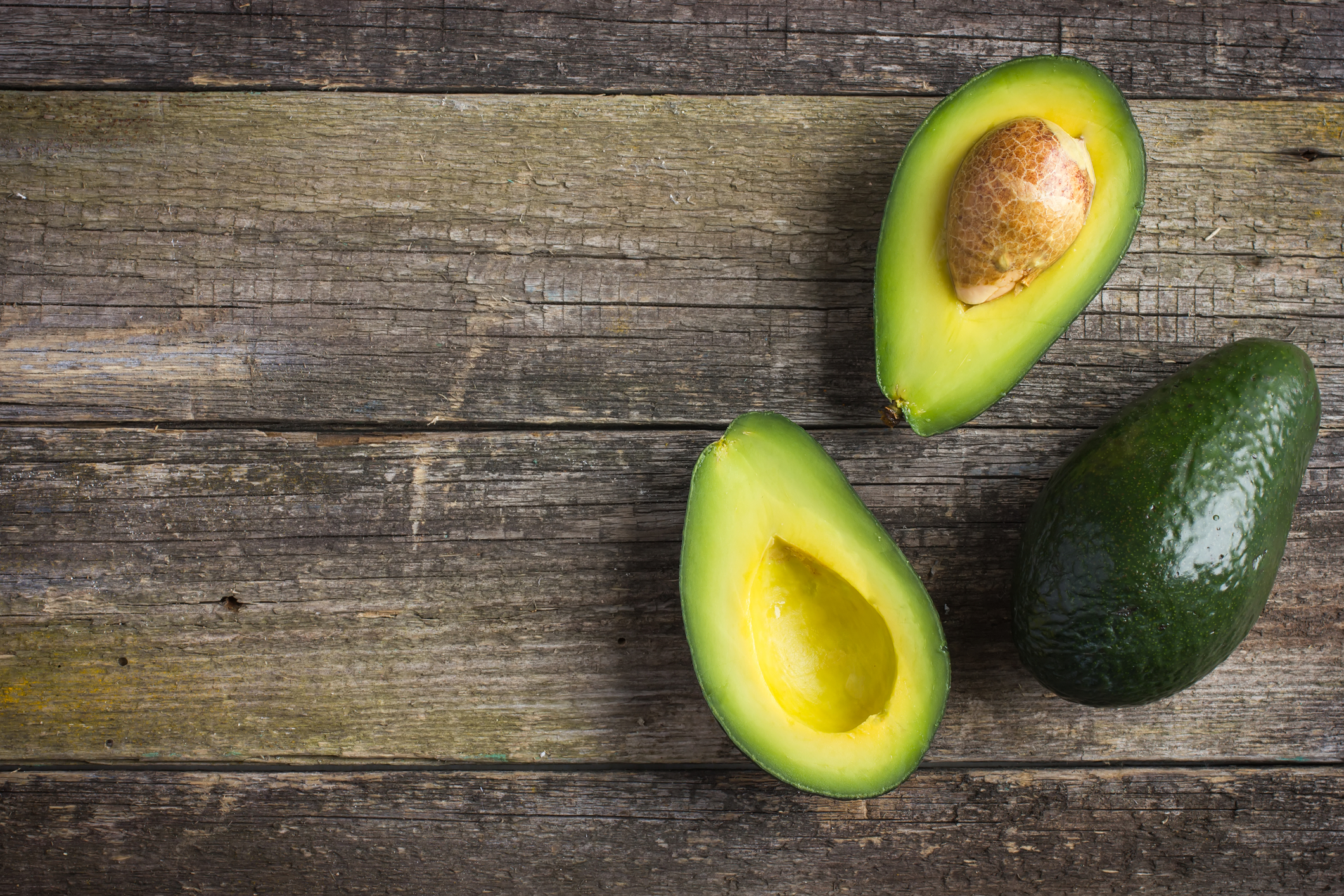
With its bright green flesh, an avocado looks like a vegetable — but botanically, an avocado is a fruit. From a nutrition standpoint, it fits more into the healthy fat category: half of a medium avocado has as much fat as a tablespoon of olive oil. Indeed, avocados can defy categorizing. And they’re popular: the average American eats about nine pounds of avocados per year, much of it around football season and holidays.
Thanks to some intriguing research (and also, it must be said, to efforts by avocado marketing groups that supported some of the studies), avocados have a solid reputation as a nutrient-packed, heart-healthy superfood. Are they really that good for you, or are avocados’ health benefits mostly hype? Here’s a helpful perspective.
Key nutrients
Avocados are often referred to as a nutrient-dense food because they’re loaded with a lot of vitamins, minerals, and other nutrients.
Half of a medium avocado contains 161 calories, 9 grams of carbohydrates, and 2 grams of protein, as well as 15 grams of fat — most of it oleic acid, a heart-healthy monounsaturated fat. It also provides significant amounts of fiber, potassium, folate, vitamin K, vitamin E, and magnesium.
Avocados also supply phytonutrients such as beta carotene — an antioxidant found to be protective against heart disease and some cancers — and lutein and zeaxanthin, important for maintaining eye health and lowering risk of age-related macular degeneration.
Avocado health benefits
Avocados’ mix of fiber, healthy fat and antioxidants — plus the presence of key minerals involved in supporting healthy blood pressure, like potassium and magnesium — may add up to better heart health.
When researchers at Harvard’s T.H. Chan School of Public Health looked at 30 years of data from some 111,000 people enrolled in the large-scale Health Professionals Follow-Up and Nurses’ Health Studies, they found that those who ate the equivalent of one avocado per week had a 16% lower risk of cardiovascular disease and a 21% lower risk of coronary heart disease than non-avocado eaters. The difference in risk was highest when avocado replaced a half-daily serving of margarine, butter, full-fat dairy products, processed meats, or eggs. (For some, those foods are key sources of saturated fats, linked with higher levels of LDL, or "bad" cholesterol.)
Research is also uncovering a possible protective role in type 2 diabetes. For example, one survey of over 6,000 Hispanic/Latino adults (a population with a higher diabetes risk) found that those who reported eating any avocado in the previous two days at the beginning of the study had a 20% lower risk of developing diabetes over six years, compared with those who ate no avocado. For those who had prediabetes at the beginning of the study, the risk reduction was even greater (31%). While a mechanism has yet to be shown, avocados’ high fat and fiber content, which can slow digestion and help prevent blood sugar spikes, may play a role.
Substitute, don’t add
The pile of research connecting avocado eating with better health keeps growing, but it’s important to put the findings in perspective, advises Teresa Fung, a registered dietitian and adjunct professor at the Harvard T.H. Chan School of Public Health. “Avocado is very definitely a healthy food,” she notes, “but remember, it is not a low-calorie food.” Just adding avocado on top of your usual eating is a recipe for unwanted weight gain, she adds.
Instead, Fung recommends taking a page from the Harvard study. “Look for something else in your diet that you can cut back on a bit to make room for the avocado,” she advises — such as swapping mashed avocado for butter on your morning toast, or replacing the bacon bits in your salad with diced avocado.
Easy avocado ideas
Of course, guacamole (and avocado toast) are go-to ideas when you have an avocado or two on hand, but that’s just the beginning. Here are some other ways to put avocado on your menu.
(Reviewed by Teresa Fung, MS, RD, ScD, contributor and editorial advisory board member at Harvard Health Publishing.)
©2026 Harvard University. For terms of use, please see https://www.health.harvard.edu/terms-of-use. Distributed by Tribune Content Agency, LLC.









Comments