Eating Well: Chefs share the best way to make roasted vegetables
Published in Health & Fitness
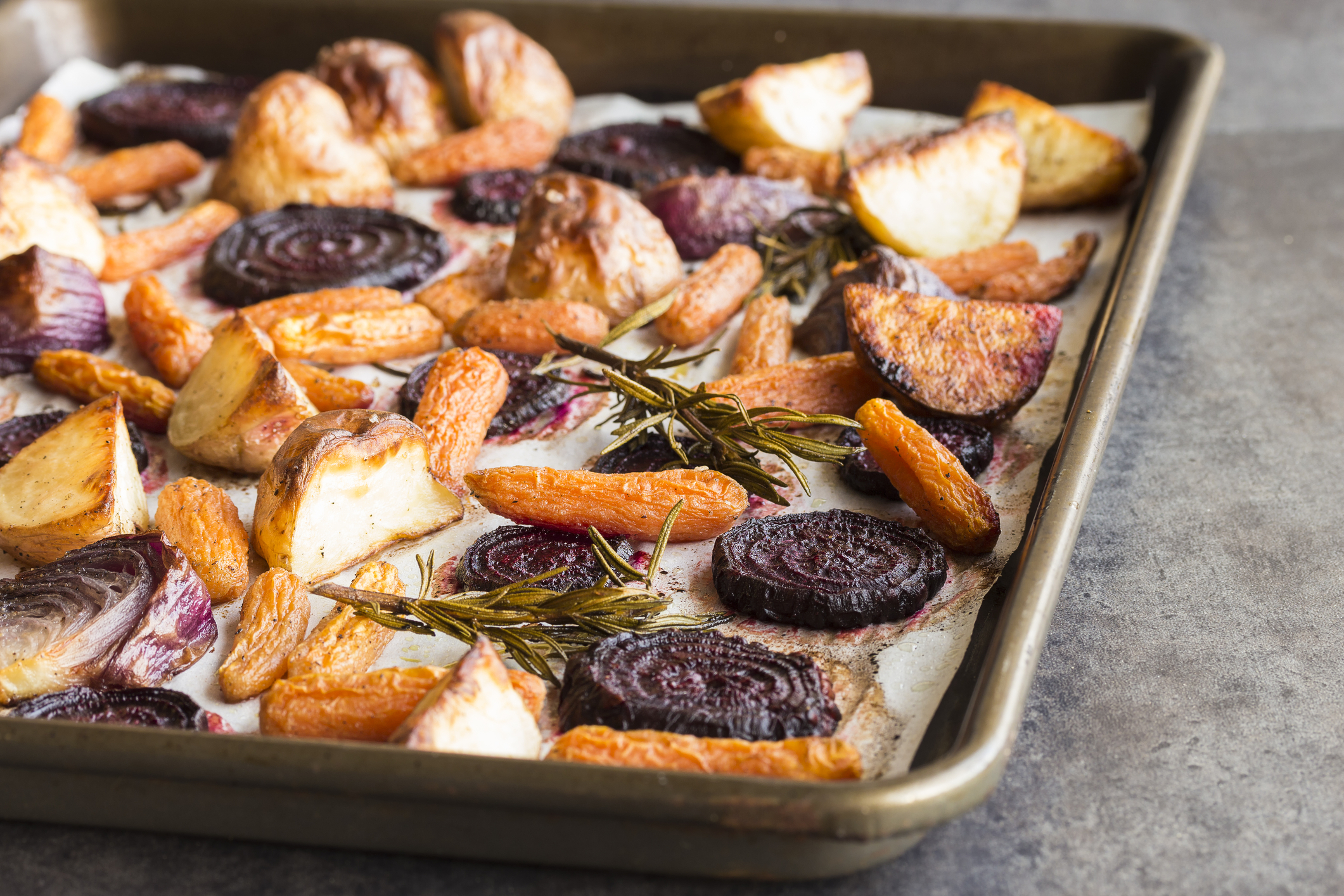
Roasted vegetables are a timeless dinnertime staple. Not only are they an easy way to add color and nutrition to your plate, but when done right, roasting brings out the best in every vegetable — crisp edges, caramelized flavors, and tender insides. We spoke with chefs who shared their top tips and secrets for achieving perfectly roasted vegetables every time.
1. Crank the oven up
Every single chef that we spoke with stressed the importance of oven temperature for getting perfect roasted vegetables. They agreed that 425 F is the sweet spot for most vegetables.
“High heat is essential because it allows vegetables to caramelize rather than steam. When the temperature is high enough, moisture evaporates quickly, and the natural sugars on the surface begin to brown, creating rich, complex flavors and crisp, golden edges,” explains Chef Steve MacLean. “It’s what gives roasted vegetables their depth and character.”
2. Don’t overcrowd the pan
Another overlooked tip the chefs agreed on is making sure not to overcrowd the pan. Chef Thomas Odermatt recommends the “pinky finger rule,” which means each vegetable should be spaced at least a pinky finger distance apart. “If vegetables are too close together, they trap steam, which prevents browning and leaves them soft instead of crisp.”
He also suggests preheating the pan before adding the vegetables, a simple step that promotes quick searing and helps prevent sticking and sogginess. Opt for a shallow baking pan rather than a baking dish, since the low sides allow steam to escape and heat to circulate more effectively.
3. Coat the vegetables in oil
Roasting is one of the healthier cooking methods, as it uses minimal fat while helping to preserve nutrients. While a light coating of oil — such as olive oil — helps with browning and crisping, Ziata says it doesn’t take much to get great results. “Leave any extra oil in the bowl that you tossed everything in. There shouldn’t be any puddles of oil on the baking tray—it’s not only a waste of oil, but it can burn and possibly ignite,” she explains.
4. Use seasonings
Seasonings can add big flavor to roasted vegetables, but timing is everything when it comes to maximizing flavor and texture. “Add dried herbs and spices before baking, and fresh herbs and citrus zest after,” says Ziata. “Dried herbs and spices need time to bloom, while fresh herbs and zest will lose their brightness if used too early.”
5. Buy in season
Another useful tip is to buy vegetables that are in season — it not only saves money but also delivers the best flavor. “Vegetables that are freshly harvested and grown in living, mineral-rich soil already have a depth of flavor you can’t fake,” says MacLean. “When they’re truly fresh, you don’t need to dress them up — just roast [them] to concentrate on what nature already did well.”
6. Enjoy them hot
Every chef we spoke to emphasized that roasted vegetables taste their best right out of the oven — that’s when they’re at their crispiest and most flavorful. As they sit, trapped steam softens the edges, the aroma fades, and those beautifully caramelized sugars turn sticky instead of crisp.
Whenever possible, time your meal so the vegetables come out of the oven just before serving. That way, you enjoy them at their peak — golden, aromatic, and irresistibly fresh.
(EatingWell is a magazine and website devoted to healthy eating as a way of life. Online at www.eatingwell.com.)
©2026 Dotdash Meredith. All rights reserved. Used with permission. Distributed by Tribune Content Agency, LLC.









Comments