Editorial: Take precautions, including the vaccine, to guard against flu
Published in Op Eds
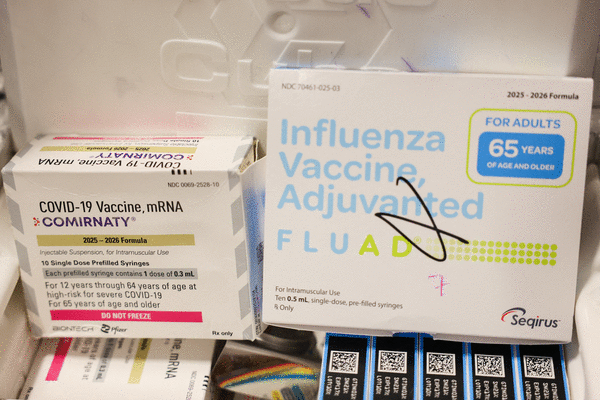
This season’s flu is lurking right around the corner. Even if you’ve done the right thing and had the flu shot. Even if you haven’t had the flu for years.
Don’t make the mistake of taking this virus lightly. The main strain making the rounds is virulent and hard to shake.
By the end of December, the Centers for Disease Control estimated that there had been more than 11 million cases of flu, 120,000 hospitalizations and 1,900 deaths.
Symptoms vary: Some people run a fever, others don’t. Headaches and severe body aches are common. Some people have diarrhea or other stomach distress. Many have no appetite. Most have extreme fatigue and weakness, made worse by coughing fits that make it tough to get the rest needed to fight off the flu and begin to recover. Most have a runny nose. Many have serious trouble breathing. And so on.
If some version of this season’s flu strikes you, it will put you out of commission for a while. If that’s all it does, count yourself lucky.
Even though the numbers of flu-related doctor’s visits, hospitalizations and deaths shot up at the end of the year, health experts say we probably haven’t reached the peak of this season’s flu yet. That may be coming in February.
It’s common for flu to hit hard during winter. People spend more time indoors, where they exchange germs, breathing airborne viruses. The holiday season meant more indoor gatherings and an uptick of travel, throwing people together in confined spaces and bringing them into contact with more potential flu germs.
We are only beginning to see how the flu virus will spread among us now that people are getting back to their normal routines. Be prepared.
This year’s flu season is different from most for a couple of reasons. Last year’s was severe, and it’s more common for a bad year to be followed by a milder one.
Part of the reason this year is looking rough again is because the most common strain of flu making the rounds surfaced last summer after drugmakers had developed this season’s vaccine.
Don’t let that keep you from getting the shot, if you haven’t already. While it may not defend against infection, it usually makes the symptoms milder.
Other things you can do to help you make it through flu season — and help you avoid spreading flu if you get it — should be easy enough. Be vigilant about washing your hands. If you think you have flu, get tested. If you catch it early enough, you may be prescribed a medication that can help.
If you have flu, stay home until you’re no longer contagious. (You’ll feel like staying home anyway.)
Remember that young children and the elderly are most vulnerable and most likely to be hit hard by the flu. The CDC says last year’s flu season was the deadliest since it’s been tracking pediatric deaths. An estimated 289 children died.
If you are responsible for children, have them vaccinated too. For whatever reasons — political backlash to COVID restrictions, anti-vaccine campaigns, misinformation — vaccination rates are down, for children even more than adults. Only about 40% of U.S. adults have had flu shots, and even fewer children.
It certainly seemed odd that, in the middle of this serious flu season following on the heels of last year’s severe one, the U.S. Department of Health and Human Services is no longer recommending that all children get annual flu shots.
Don’t worry. Ask your pediatrician. The vaccines aren’t banned and are still covered by insurance. They just aren’t officially recommended.
The vaccine, along with commonsense precautions, can go a long way toward making even this year’s flu more a miserable inconvenience than a life-threatening illness.
Take responsibility for yourself and anyone in your care. With luck, you won’t get flu this year at all, and if you do, maybe you’ll be one of the lucky ones who just suffers a few miserable days.
©2026 The Virginian-Pilot. Visit at pilotonline.com. Distributed by Tribune Content Agency, LLC.





















































Comments