Backlash against data centers helped Democrats win the midterms
Published in Political News
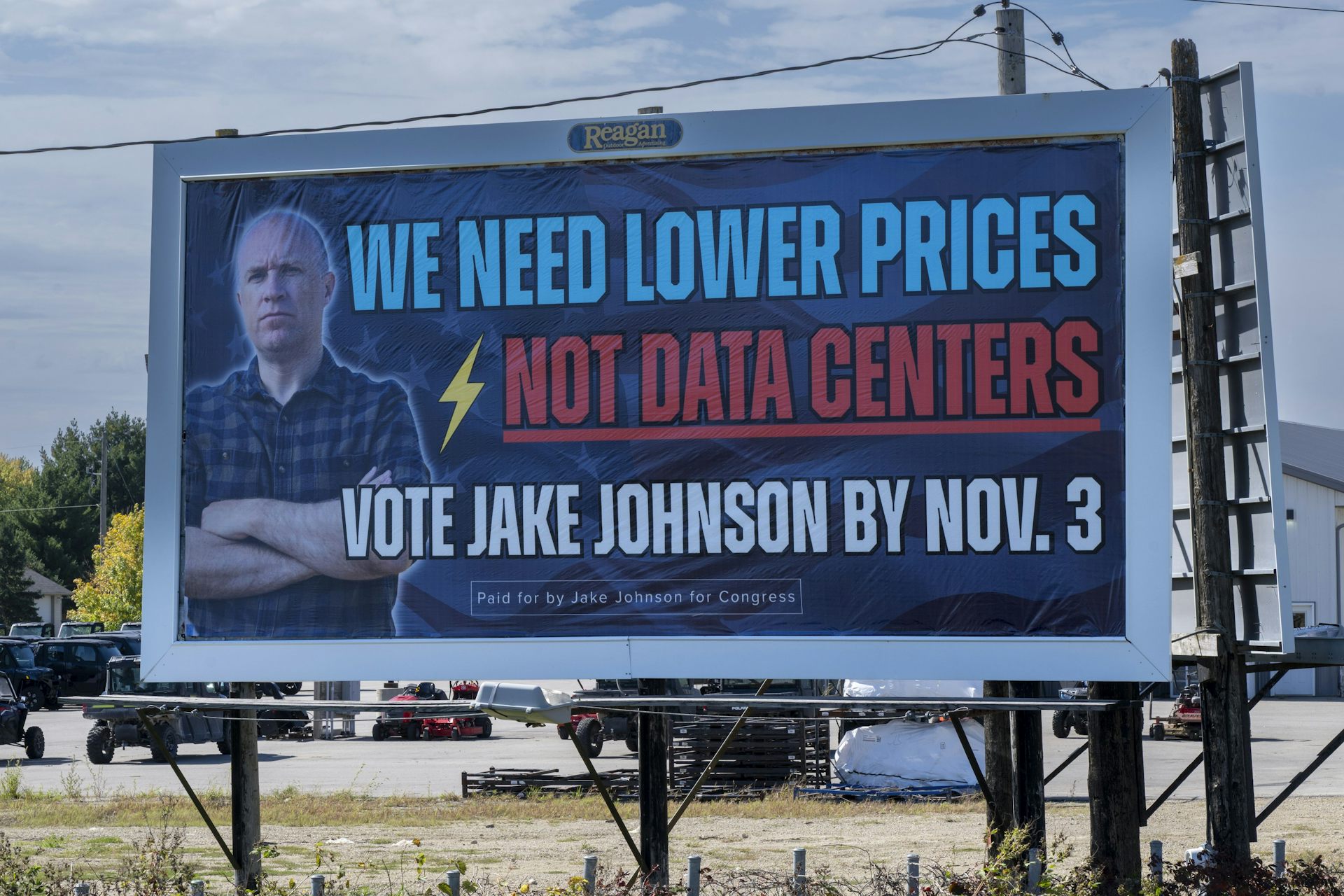
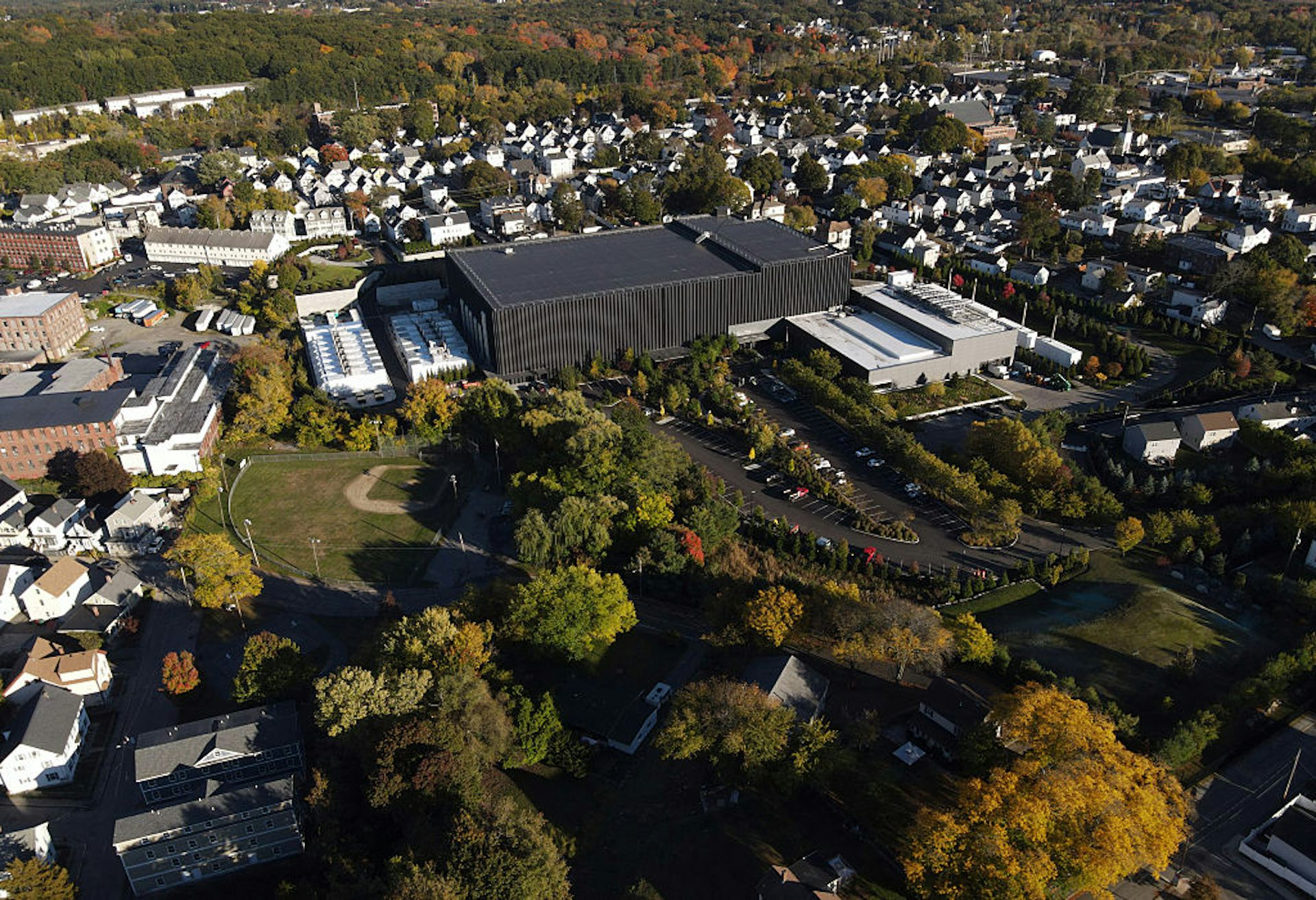


The 2026 midterm elections that swept Democrats into power in Congress and state legislatures also delivered a stunning rebuke to the artificial intelligence industry.
Ballot measures that limited the construction of data centers – from California to Kansas to North Dakota – were approved by voters in 40 of 41 instances. These measures included the Kansas prohibition on construction of a type of battery energy storage system, a 180-day moratorium on data centers in Maine, and the outright ban on data center construction in Ohio.
Drawing on recent survey data, we suggest that the Democratic sweep and the nationwide rejection of data centers are related. Republicans’ connections with an unpopular AI industry may have contributed to their poor showing at the polls.
We are survey researchers. Our August 2026 survey of a nationally representative sample of 1,000 American adults shows that opposition to data centers is widespread.
The survey shows that 65% of Americans oppose the construction of data centers in their communities. This opposition is bipartisan, with 76% of Democrats, 67% of independents and 52% of Republicans opposed to the sites.
To better understand the sources of this opposition, we asked respondents to explain it in their own words. Twenty-eight percent of respondents voiced concerns about the negative environmental impact of data centers. One respondent stated: “Draining our water reserves significantly with a data center would be catastrophic to our region.”
Some respondents, 15%, also expressed concerns about data centers’ negative impact on their quality of life. For example, one respondent said: “Noise issues, energy issues and visual site are three issues that are major concerns for a AI data center to be in the area I live in.”
Ten percent of respondents singled out the centers’ connection to increased utility costs. One respondent said that “ever since a data center has been built in my local area the prices of water and electricity have more than doubled.”
Finally, 13% of respondents expressed a broad distrust of AI and the industry itself, with one stating, “I think that AI needs to be better regulated and a lot more developed and proven safe before any massive full scale deployment.”
Despite mounting public opposition to data centers, President Donald Trump expressed strong support for data center construction before Election Day. He said that if Americans want to live in “crime-infested areas” and “squalor,” they should not have a data center. Days after the midterms, Trump threatened to penalize U.S. companies that build data centers overseas.
As widespread opposition to data centers grew through 2026, Republican congressional candidates increasingly had to weigh loyalty to Trump against local backlash. As Election Day neared, many Republican candidates had distanced themselves from unrestricted data center construction.
In contrast, many Democrats made opposition to data centers an important theme of their campaigns.
Our poll suggests that these efforts may have resonated with voters.
Among Americans who expressed opposition to data centers, 48% indicated they would support the local Democratic candidate in the U.S. House of Representatives, compared to 25% for the Republican candidate. And 47% of those living in states that held a Senate election were planning on voting for the Democratic candidate, while 28% planned to vote for the Republican Senate candidate.
Even taking partisanship, ideology and demographic characteristics into account, opposition to data centers was associated with an intention to support Democratic House and Senate candidates.
Given widespread public concern about data center construction, Democrats have electoral incentives to make AI regulation a part of their legislative agenda in the new Congress. Whether or not they enact new legislation, popular opposition to data centers is unlikely to abate anytime soon.
This article is republished from The Conversation, a nonprofit, independent news organization bringing you facts and trustworthy analysis to help you make sense of our complex world. It was written by: Jesse Usher Barrett, UMass Amherst; Jesse Rhodes, UMass Amherst; Tatishe Nteta, UMass Amherst, and Tim Komatsu, UMass Amherst
Read more:
How to protect your retirement savings if the AI boom fizzles
5 ways data centers endanger their local communities and the country as a whole
AI companies look to the ocean as a place to put more data centers
Jesse Usher Barrett is registered with the Democratic Party
Jesse Rhodes has received funding from the National Science Foundation, the Spencer Foundation, the Russell Sage Foundation, the Harvard Election Law Clinic, and the Women's Sports Foundation.
Tim Komatsu is registered with the Democratic Party.
Tatishe Nteta does not work for, consult, own shares in or receive funding from any company or organization that would benefit from this article, and has disclosed no relevant affiliations beyond their academic appointment.
















































Comments